Zimmer Hires Chief Science, Technology and Medical Affairs Officer
Why It Matters
By placing a practicing surgeon at the helm of its technology agenda, Zimmer aims to accelerate the integration of AI and data‑driven solutions into orthopedic care, strengthening its competitive edge in a market racing toward digital implants.
Key Takeaways
- •Zimmer appoints surgeon Jonathan Vigdorchik as chief science, tech, medical affairs officer.
- •Vigdorchik will lead AI, robotics, smart implants, and data initiatives.
- •Rosa robotic system and Monogram AI robot expand Zimmer's orthopedic portfolio.
- •Smart knee implants paired with MyMobility app improve one‑year patient outcomes.
- •CEO Tornos expects faster innovation and larger technology roadmap.
Pulse Analysis
Zimmer Biomet, a leading global orthopedics manufacturer, has taken a decisive step by naming Dr. Jonathan Vigdorchik, a renowned hip and knee surgeon, as chief science, technology and medical affairs officer. The appointment reflects a broader industry trend of embedding clinical expertise within executive leadership to bridge the gap between surgical practice and product development. Vigdorchik’s background as chief medical technology adviser for adult reconstruction equips him to translate operating‑room insights into scalable innovations, a capability that investors and partners increasingly demand in the rapidly evolving med‑tech sector.
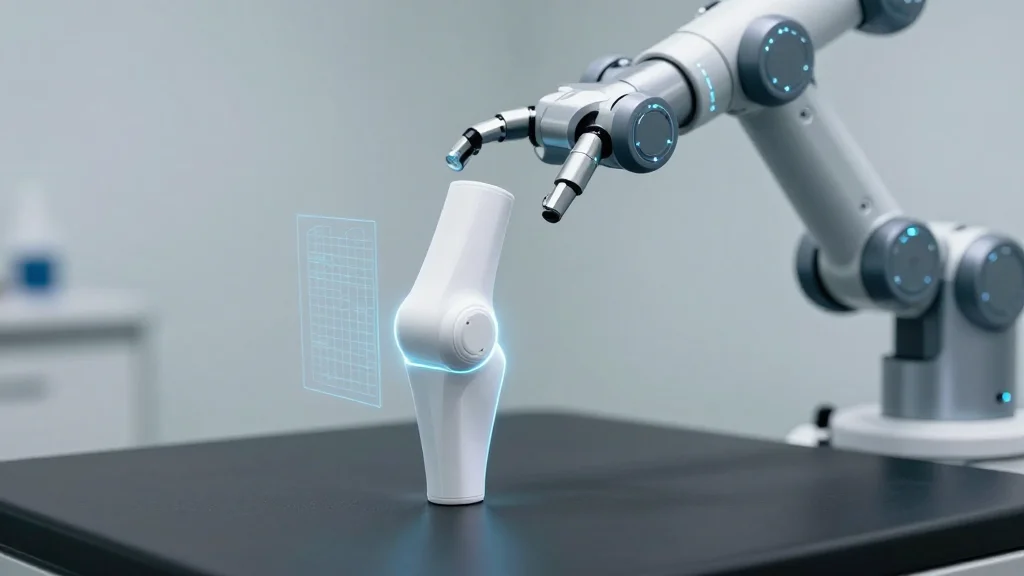
Under Vigdorchik’s stewardship, Zimmer will consolidate its portfolio of intelligent devices, including the Rosa robotic system, the AI‑driven knee robot acquired from Monogram Technologies, and next‑generation smart implants equipped with embedded sensors. These platforms generate real‑time biomechanical data that feed into the MyMobility digital health ecosystem, enabling personalized rehabilitation programs and predictive analytics. Early clinical observations indicate that patients receiving sensor‑enabled implants paired with the app experience superior range of motion and reduced complication rates after one year, suggesting a tangible clinical advantage for data‑centric orthopedics.
The strategic emphasis on AI, robotics and connected implants positions Zimmer to capture a larger share of the projected $30 billion global market for digital orthopedics by 2030. Competitors such as Stryker and Johnson & Johnson are accelerating similar initiatives, but Zimmer’s integrated clinical‑leadership model may shorten time‑to‑market for breakthrough solutions. Investors are likely to watch upcoming earnings for evidence that the technology push translates into higher-margin sales and recurring revenue from software subscriptions, a shift that could redefine profitability in the traditionally hardware‑driven orthopedic industry.
Zimmer hires chief science, technology and medical affairs officer
Comments
Want to join the conversation?
Loading comments...