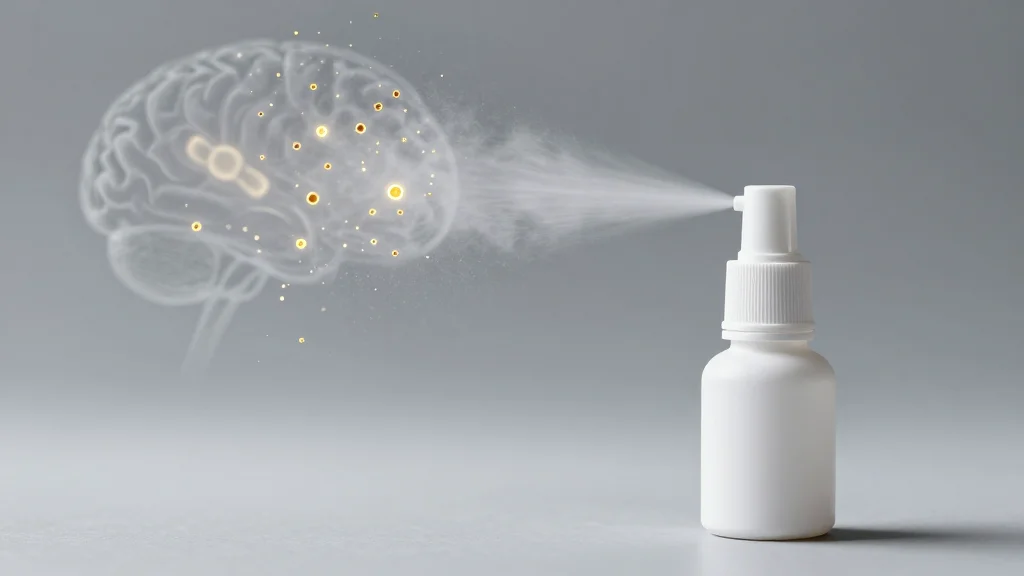
Texas A&M Nasal Spray Reverses Brain Aging Markers in Mice

Why It Matters
The ability to non‑invasively reset brain aging mechanisms could redefine preventive neurology, shifting focus from symptom management to upstream restoration of cellular health. By targeting neuroinflammaging, the therapy addresses a root cause of cognitive decline, potentially delaying or preventing conditions like Alzheimer's disease. Success in human trials would also validate extracellular vesicles as a delivery platform, opening doors for a new class of biologics that can cross the blood‑brain barrier without surgery. Beyond individual health, the broader societal impact could be profound. Slowing cognitive decline would reduce long‑term care costs, extend productive years in the workforce, and alleviate the looming dementia burden projected to affect one million Americans by 2060. The technology could also empower high‑performing professionals to maintain peak mental function, aligning with the growing "human potential" movement that blends longevity science with performance optimization.
Key Takeaways
- •Texas A&M's nasal spray uses extracellular vesicles loaded with microRNAs to suppress brain inflammation.
- •Two doses in mice cleared neuroinflammation, re‑energized mitochondria, and improved memory within weeks.
- •Effects persisted for months, marking the longest‑lasting benefit reported for an EV‑based brain therapy.
- •Researchers filed a U.S. patent and plan Phase 1 safety trials in late 2026.
- •If successful in humans, the spray could replace invasive procedures and reshape the cognitive longevity market.
Pulse Analysis
The Texas A&M study arrives at a pivotal moment when the biotech sector is scrambling for scalable, brain‑targeted therapies. Traditional approaches—monoclonal antibodies, small‑molecule inhibitors, and gene therapies—have struggled with delivery challenges and high costs. Extracellular vesicles, by virtue of their natural origin and ability to ferry nucleic acids across the blood‑brain barrier, represent a paradigm shift. The nasal route further simplifies administration, potentially turning a complex clinical protocol into a consumer‑friendly product.
Historically, attempts to modulate brain aging have focused on downstream symptoms rather than upstream inflammation. By intervening at the microRNA level, the Texas A&M team attacks the regulatory network that orchestrates multiple aging pathways simultaneously. This multi‑target strategy could yield more robust and durable outcomes than single‑target drugs, which often face resistance or limited efficacy. However, the field must still navigate manufacturing scalability, batch‑to‑batch consistency, and regulatory clarity—issues that have slowed other EV programs.
Looking ahead, the therapy's success could catalyze a wave of EV‑based interventions for neurodegenerative diseases, psychiatric disorders, and even acute injuries like stroke. Partnerships with pharmaceutical giants could accelerate scale‑up, while venture capital may flow into niche startups specializing in EV engineering. The key risk remains translational: mouse models do not always predict human response, especially in complex systems like the brain. Nonetheless, the study provides a compelling proof‑of‑concept that could reshape investment theses and research priorities across the human potential ecosystem.
Texas A&M Nasal Spray Reverses Brain Aging Markers in Mice
Comments
Want to join the conversation?
Loading comments...