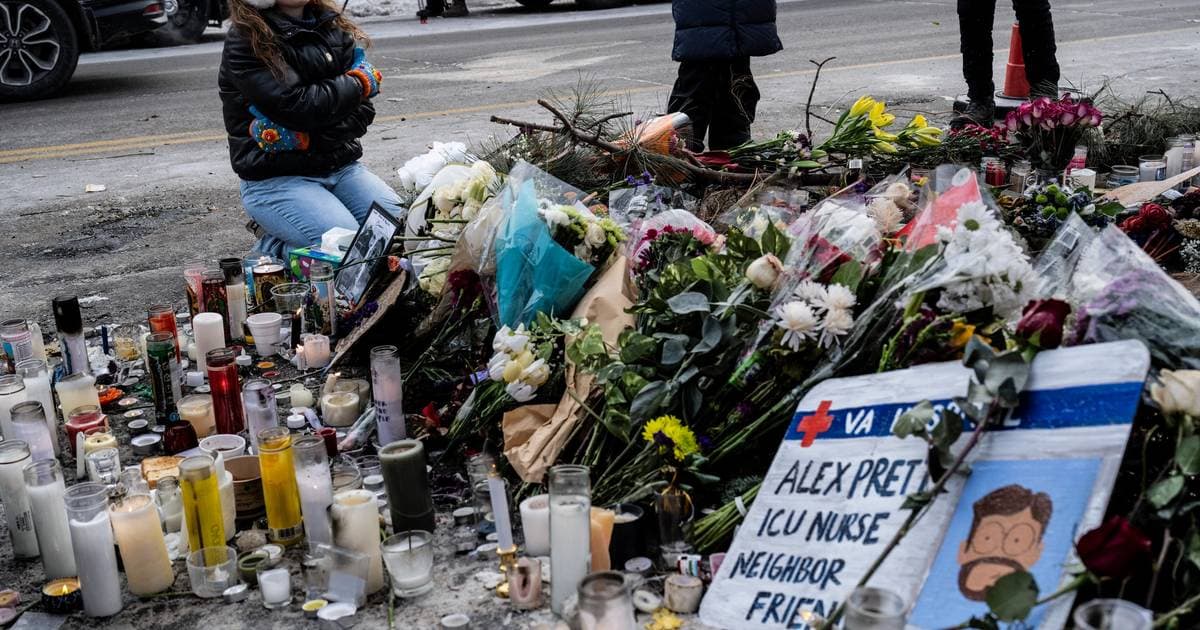
How HR Leaders Can Respond to Traumatic Events in Minneapolis and Beyond
Key Takeaways
- •CEOs' statement omitted ICE, drew public criticism
- •HR must prioritize workers directly impacted by immigration enforcement
- •Offer confidential counseling, legal aid, flexible schedules
- •Managers should communicate calmly, ensure psychological safety
- •Trauma exposure reduces employee focus and productivity
Summary
More than 60 Minnesota CEOs issued a statement after two ICE‑related killings, but omitted direct references to ICE and the victims, prompting criticism from business leaders. The muted corporate reaction contrasts with the robust CEO responses seen after George Floyd’s death in 2020 and reflects heightened political pressure on DEI initiatives. HR and mental‑health experts advise leaders to assess employee needs, provide confidential counseling, legal assistance, and flexible scheduling, especially for hourly workers with immigrant backgrounds. Clear, calm communication and manager involvement are essential to maintain psychological safety and productivity amid trauma exposure.
Pulse Analysis
The recent ICE‑related fatalities in Minneapolis have reignited a debate about corporate responsibility in politically charged environments. While more than 60 CEOs signed a joint letter calling for de‑escalation, the omission of ICE and the victims’ names left many stakeholders questioning the sincerity of the response. This hesitation reflects a broader trend: after the 2020 George Floyd protests, many firms embraced DEI initiatives, but the current administration’s stance on immigration has prompted a retreat, forcing leaders to balance public expectations with political risk.
Human‑resources professionals now face the challenge of translating empathy into actionable support. Experts recommend a tiered approach that first identifies employees most vulnerable to immigration enforcement—often hourly, minority‑rich workforces—and then deploys targeted resources. Confidential Employee Assistance Programs, legal‑service subscriptions, and flexible shift options can alleviate fear and enable affected staff to maintain productivity. Moreover, managers must adopt calm, consistent communication, setting clear protocols for reporting concerns and reinforcing a non‑retaliation culture, thereby fostering psychological safety across the organization.
Beyond immediate crisis management, the situation offers a strategic lesson for businesses: neglecting employee well‑being during sociopolitical upheavals can erode trust, increase turnover, and damage brand equity. Proactive mental‑health initiatives and transparent support mechanisms not only mitigate short‑term disruptions but also reinforce a company’s commitment to inclusive values. As immigration policies continue to evolve, firms that embed resilient, trauma‑informed practices into their HR playbooks will be better positioned to safeguard their talent pipeline and sustain operational continuity.


Comments
Want to join the conversation?