Techstars - Latest News and Investment Deals

In episode 13 of "Your Startup Community," Chris Hiveley argues that role models are the most under‑appreciated lever in building vibrant startup ecosystems. He situates them within his "aspirational stack"—people, place, and stories—and explains how visible, accessible, and engaged founders turn abstract resources like capital and co‑working space into tangible belief systems that inspire new entrepreneurs. Hiveley breaks down the three pillars of an effective role model. Visibility means the community knows who they are and hears both polished wins and unpolished setbacks; accessibility ensures founders can ask “dumb” questions in informal settings; engagement requires the role model to actively mentor, introduce, and give honest feedback. He stresses that storytelling of real struggles—failed pivots, funding rejections, near‑shutdowns—normalizes uncertainty and reduces impostor syndrome. Key quotes illustrate his point: “They shrink the psychological distance between ambition and action,” and “A visible role model destroys that illusion that everyone else has a secret playbook.” Hiveley cites examples ranging from founders who sold companies to operators who scaled teams, emphasizing that their everyday presence, not occasional keynote speeches, fuels community momentum. The implication for economic developers, investors, universities, and community builders is clear: identify credible local founders, embed them in mentor circles, and design low‑friction engagement formats—monthly office hours, breakfast meet‑ups, targeted interview requests. By diversifying the role‑model bench and making participation easy, ecosystems can accelerate founder confidence, shorten learning curves, and generate the virtuous flywheel that turns isolated successes into a self‑sustaining startup hub.

The virtual meet‑and‑greet was a deep‑dive into Techstars’ accelerator ecosystem, led by marketing manager Jessica King and investment manager Mason Gunter. They walked participants through the agenda—overview of Techstars, program expectations, partnership models, application steps, and a Q&A session—while emphasizing...

The session introduced the Techstars Healthcare accelerator powered by Permanente Medicine, a joint effort designed to fast‑track visionary startups that can thrive in a value‑based care ecosystem. Hosted by managing director Keith Camhigh and Permanente leaders Dr. Amea Carney...

Techstars’ Founder Spotlight featured Power Trust, a climate‑finance and infrastructure startup that helps multinational corporations source renewable electricity in emerging markets such as Brazil, India, and Southeast Asia. Co‑founders Nick, a former utility‑scale wind and solar developer, and Ricky, a...

Techstars Investor Day spotlighted Sophia, the Mexican‑born founder of Intelllet, an AI‑powered prediction intelligence engine that helps go‑to‑market teams prioritize leads and reach decision‑makers. The event highlighted her journey from a master’s student at Columbia and a JP Morgan employee to...
In a candid Founder‑to‑Founder interview, Laurel Djoukeng explains how Spark, an AI‑driven talent marketplace, expands career access by linking recruiters, hiring managers, and job seekers with professional organizations and college‑student clubs. The platform mirrors LinkedIn’s profile system but adds a...
In a Mentor Spotlight for Techstars Boston, Anuj Adhiya argues that the startup mantra of "move fast" is hollow unless it is paired with disciplined learning. Drawing on his experience from early‑stage employee to hyper‑scaling founder and author of a...
In a recent episode of “Your Startup Community,” Chris Heivly asks whether startups are viewed as normal or odd in a given city. He argues that entrepreneurship functions as a social permission game, where subtle cultural cues—family reactions, media narratives,...
The video promotes Techstars as the premier accelerator for early‑stage founders, highlighting its three‑month, mentorship‑driven program that promises lifelong access to a global network of mentors, investors, and corporate partners. Key data points include more than 10,000 founders who have joined,...
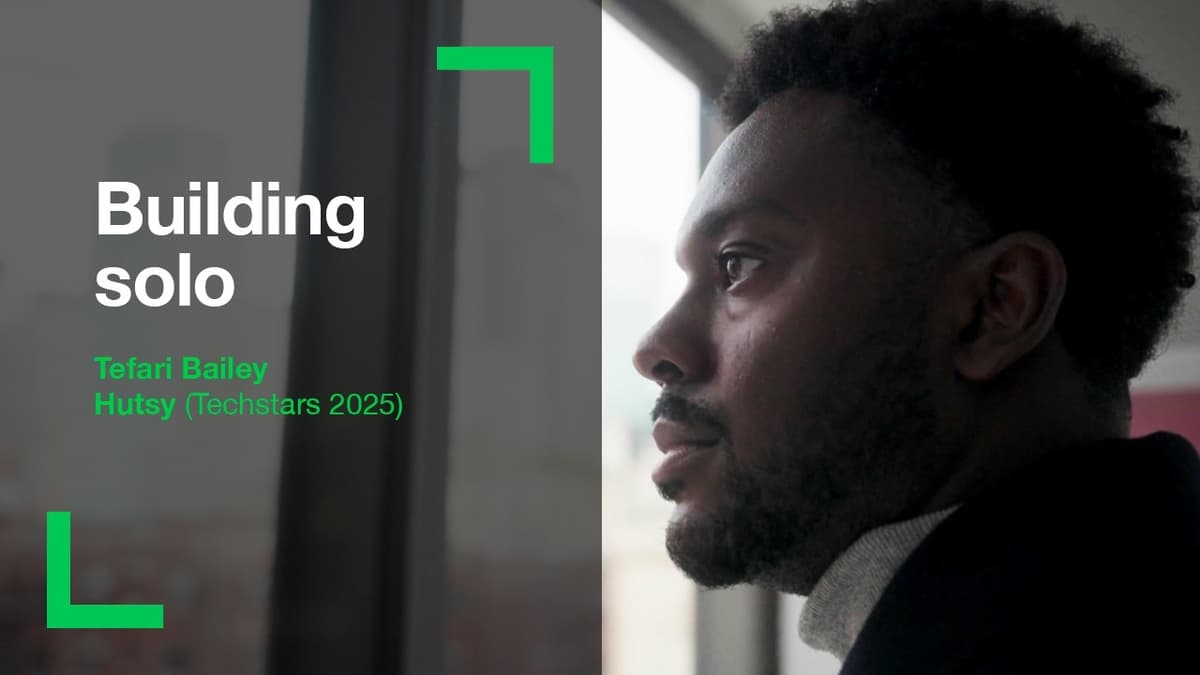
The video profiles a solo Canadian founder who launched Hutsy, a fintech platform that streamlines short‑term lending for low‑income households. Drawing on years at TD Bank, he identified the predatory payday‑loan gap and built an app that matches borrowers with...
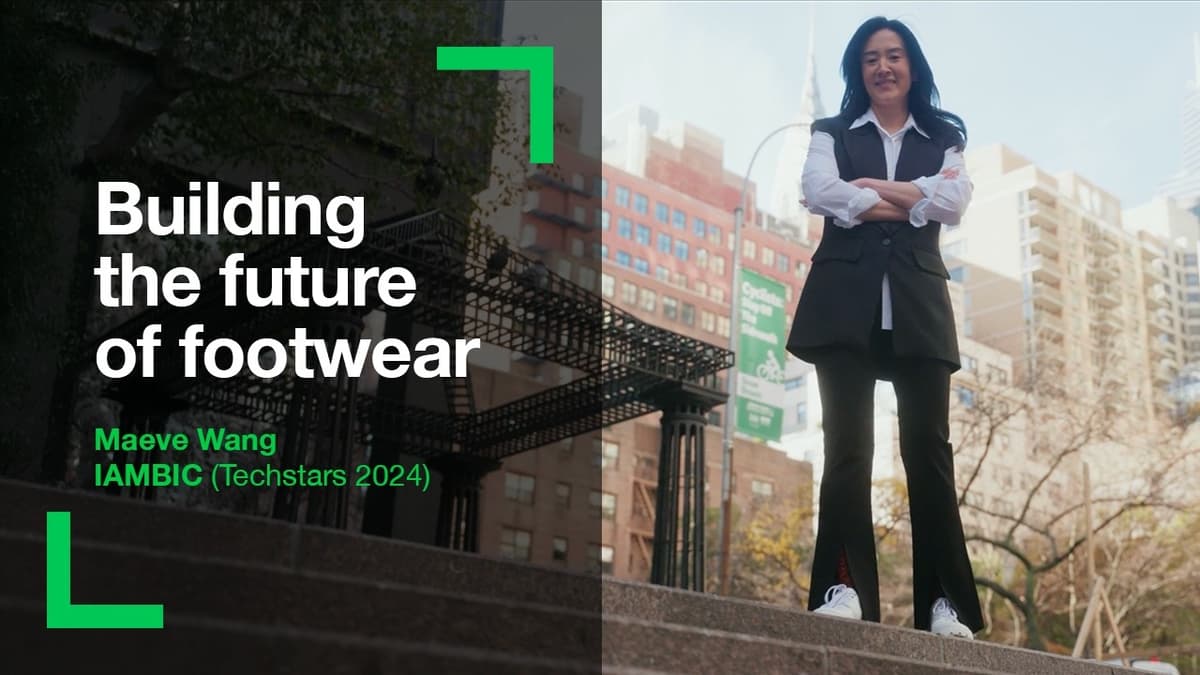
The video profiles IAMBIC founder, who turned a personal frustration with shoe fit into an AI‑powered footwear venture, shifting from a foot‑scanning app to manufacturing custom‑fit shoes. He notes that only about one‑third of consumers find shoes that fit well and...
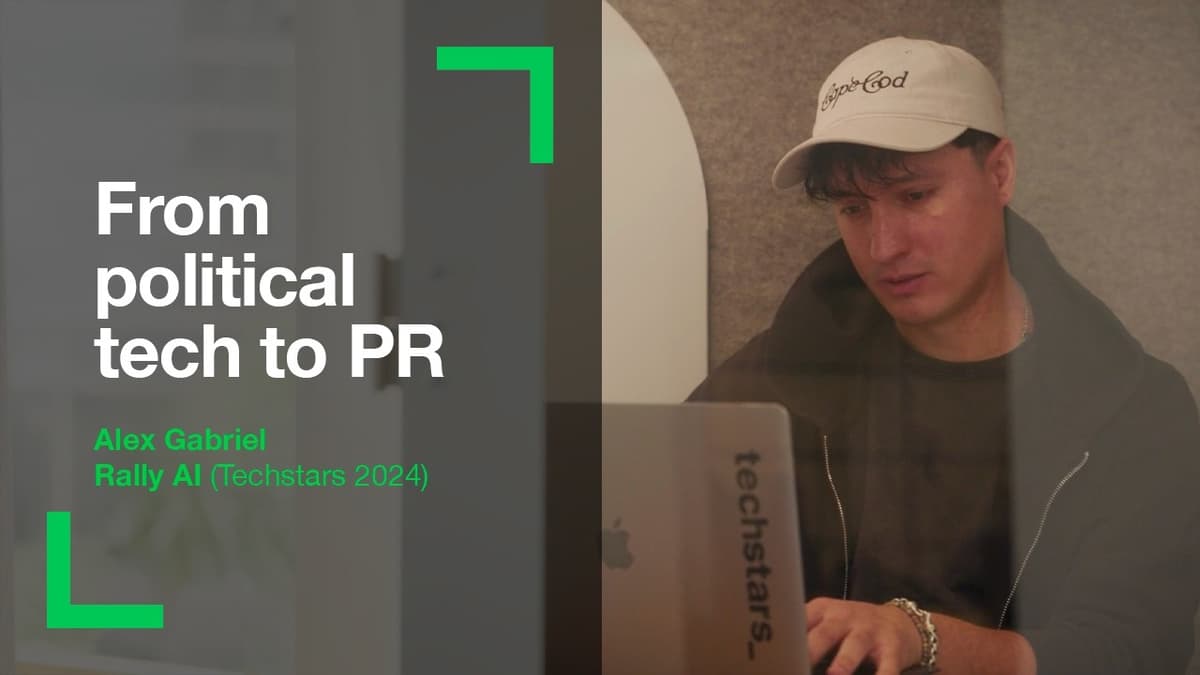
Rally AI, a 2024 Techstars graduate, has pivoted from a political‑tech community platform to a SaaS solution that democratizes strategic communications for startups. Founder Alex Gabriel leveraged the accelerator to refocus the product on scalable storytelling tools for founding teams....
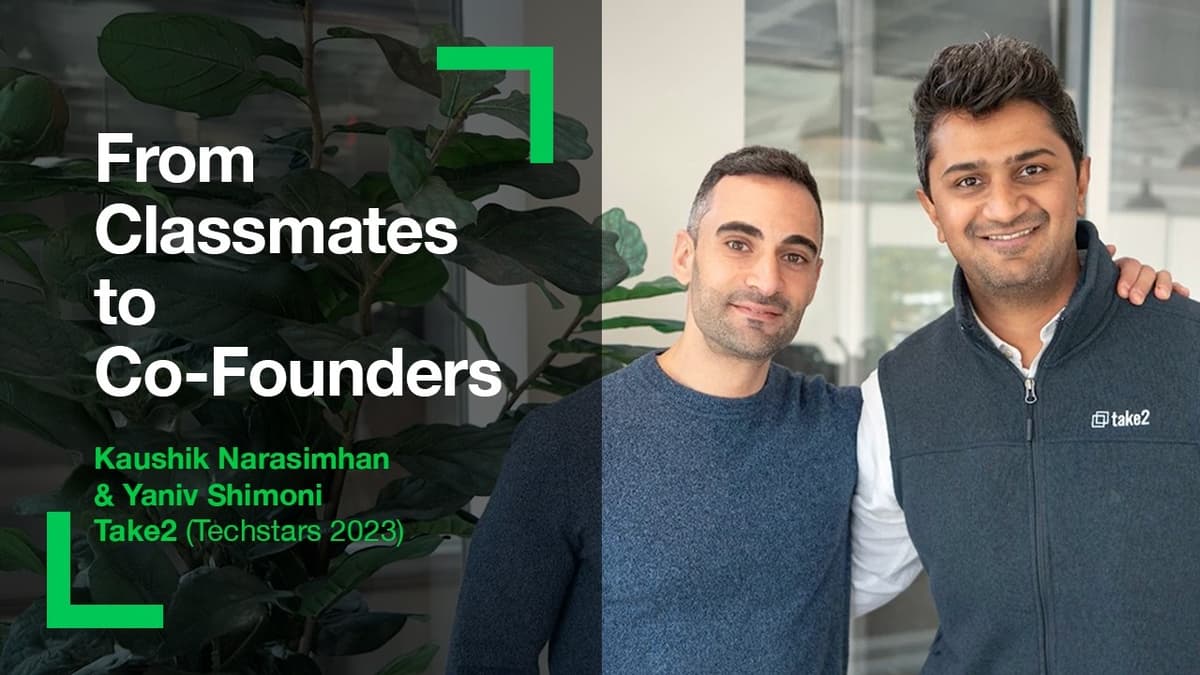
Take2, a Techstars‑backed startup, is reinventing hiring by swapping traditional resumes for virtual, on‑the‑job skill assessments. Founded by Kaushik Narasimhan and Yaniv Shimoni, the platform lets employers evaluate candidates through realistic work simulations, initially targeting high‑volume frontline roles in healthcare....
In this episode Chris Hiveley argues that a city’s ability to sustain a thriving startup ecosystem hinges on cultural permission – the everyday acceptance of entrepreneurship as a normal career path. He asks listeners to examine whether founders are treated...
In this episode Chris Hiveley debunks the prevailing myth that a single unicorn can transform a startup ecosystem. He argues that the obsession with birthing a billion‑dollar company is a lazy, even damaging, strategy that diverts attention and resources from...


