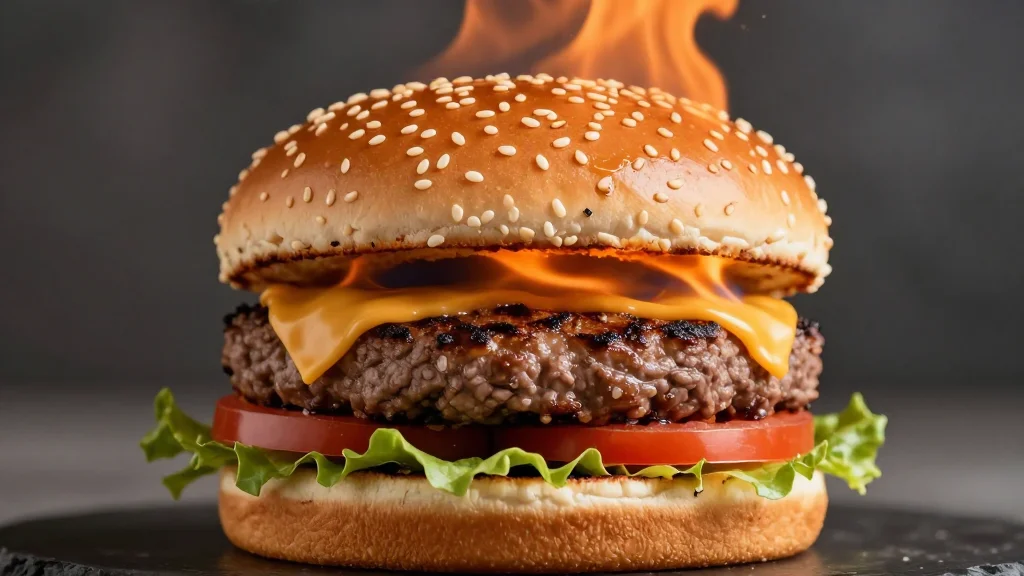
Burger King Unveils $400 M 'Reclaim the Flame' Turnaround Plan

Companies Mentioned
Why It Matters
Burger King's "Reclaim the Flame" plan illustrates how legacy QSR brands can use sizable capital investments to address operational lag and shifting consumer expectations. By prioritizing store modernization and product consistency, the chain is attempting to reverse a decline that threatened its relevance in a market dominated by McDonald’s and Wendy’s. The initiative also signals to investors that long‑term strategic bets, even when costly, can be justified when they target core brand strengths such as the Whopper. The broader fast‑food industry is watching closely. If Burger King can sustain its sales momentum without price hikes, competitors may be compelled to allocate more resources to similar upgrades, potentially sparking a wave of capital‑intensive revitalizations across the sector. This could reshape franchise economics, supplier contracts and the competitive landscape for years to come.
Key Takeaways
- •Burger King pledges $400 million over two years for its "Reclaim the Flame" turnaround.
- •First‑quarter U.S. same‑store sales rose 5.8%, beating McDonald’s (3.9%) and Wendy’s.
- •The plan includes restaurant remodels, upgraded Whopper packaging and tech enhancements.
- •Burger King remains the third‑largest U.S. burger chain by sales, behind McDonald’s and Wendy’s.
- •Executive quotes: Tom Curtis (President, US & Canada) and Joel Yashinsky (CMO) stress guest ownership and long‑term strategy.
Pulse Analysis
Burger King's aggressive capital deployment marks a rare instance of a mature QSR brand embracing a multi‑year, growth‑oriented playbook rather than a defensive cost‑cutting approach. Historically, fast‑food giants have relied on menu gimmicks and price wars to drive traffic; here, the emphasis is on structural improvements that enhance the core product experience. This shift reflects a deeper industry insight: consumers now demand consistency and quality, especially for iconic items like the Whopper, and are less tolerant of operational shortcuts.
The $400 million spend is also a strategic hedge against franchisee discontent. By improving restaurant layouts and operational efficiency, Burger King aims to lift same‑store sales without imposing higher fees or rent, thereby aligning corporate incentives with franchisee profitability. This alignment could improve franchisee retention and attract new operators, a critical factor as the QSR market faces saturation in major metros.
However, the plan’s success hinges on execution speed and consumer perception. The packaging change, while seemingly minor, addresses a tangible pain point that can quickly translate into brand goodwill. Yet, if the remodels encounter delays or cost overruns, the anticipated sales lift may falter, leaving the chain vulnerable to competitors who can more nimbly adjust pricing or introduce limited‑time offers. In the next 12‑18 months, analysts will likely track same‑store sales trends, franchisee earnings reports, and any further menu innovations to gauge whether "Reclaim the Flame" can truly reignite Burger King's market position.
Overall, the initiative underscores a broader leadership lesson: long‑term vision, backed by decisive capital, can reshape a legacy brand’s trajectory, but only if the operational fundamentals—store environment, product consistency and franchisee alignment—are executed flawlessly.
Burger King unveils $400 M 'Reclaim the Flame' turnaround plan
Comments
Want to join the conversation?
Loading comments...