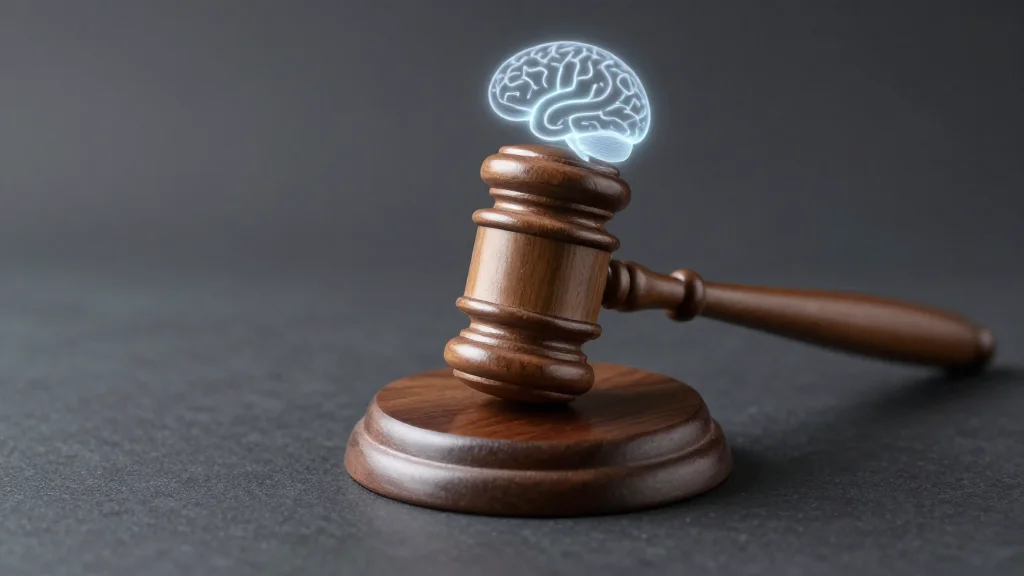
Hallucination or Old-Fashioned Error? It Doesn’t Matter
Why It Matters
The decisions signal that AI‑generated errors will not shield lawyers from ethical obligations, prompting tighter compliance and transparency across the legal industry. Mis‑citations erode court efficiency and can expose firms to sanctions under professional conduct rules.
Key Takeaways
- •Court demands sworn explanations for citation errors, AI or not
- •Erroneous citations waste court resources and undermine judicial reliability
- •Law firms must disclose AI tools used in legal research
- •Professional conduct rules apply regardless of technology employed
Pulse Analysis
The recent Quandel Construction Group v. Hunt Construction case underscores a growing tension between emerging AI tools and long‑standing legal ethics. While generative AI can accelerate research, it also produces "hallucinations"—fabricated case names or quotations that never existed. The court’s insistence on a detailed, sworn account of how the error occurred, regardless of whether AI was involved, reinforces that attorneys remain the ultimate gatekeepers of accuracy. This stance aligns with the Fourth Circuit’s technology‑agnostic approach, which treats AI as a tool, not a shield against professional responsibility.
For law firms, the rulings translate into concrete procedural changes. Attorneys must now document every step of their research workflow, explicitly noting any AI applications, and be prepared to submit individual affidavits describing their role in drafting and cite‑checking. This heightened transparency aims to prevent resource‑draining corrections and protect the integrity of the judicial record. Firms that fail to adopt rigorous internal review processes risk sanctions under Rule 11(b)(2) and potential reputational damage, especially as courts increasingly scrutinize AI‑generated outputs.
The broader industry implication is a shift toward AI‑aware compliance frameworks. As AI adoption accelerates, bar associations and courts are likely to issue clearer guidance on acceptable use, disclosure requirements, and liability for AI‑induced errors. Practitioners who proactively integrate AI audit trails, maintain human oversight, and educate staff on citation best practices will gain a competitive edge while mitigating risk. In short, the era of AI‑assisted legal research demands a parallel evolution in ethical diligence and procedural safeguards.
Hallucination or Old-Fashioned Error? It Doesn’t Matter
Comments
Want to join the conversation?
Loading comments...