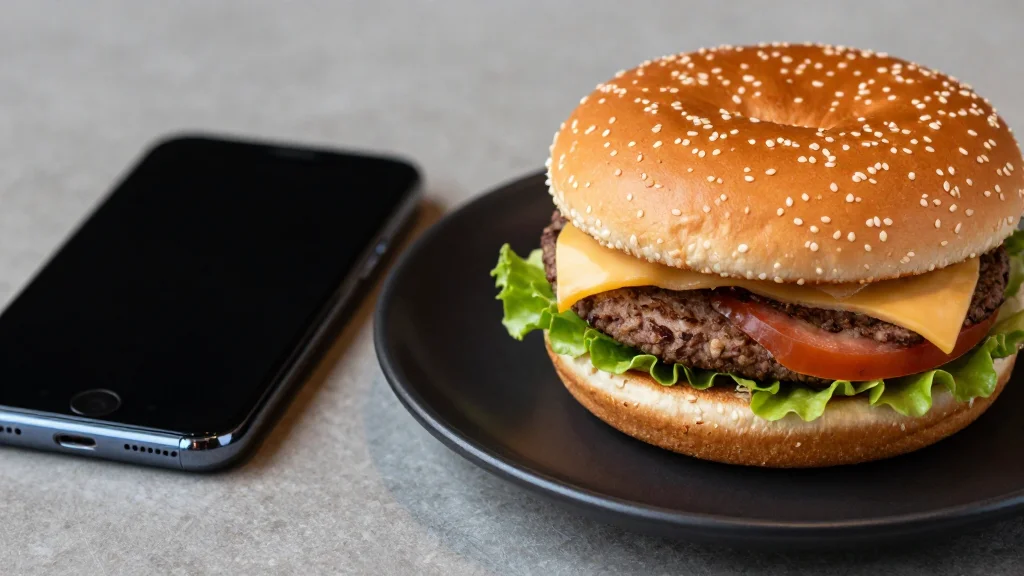
Burger King Revamps Whopper via Direct Consumer Calls, Boosts Sales 5.8%

Companies Mentioned
Why It Matters
The Burger King experiment challenges the long‑standing reliance on paid focus groups and internal labs, offering a low‑cost, high‑velocity alternative for product development. By embedding the consumer voice directly into the executive suite, the chain demonstrates how real‑time feedback can accelerate innovation cycles and improve margin‑sensitive categories like fast food. If other brands adopt similar direct‑feedback loops, the industry could see a wave of hyper‑responsive menu changes, tighter alignment between franchisees and corporate strategy, and a new benchmark for measuring product success—actual customer calls rather than survey scores. The approach also forces managers to balance openness with data‑security concerns, setting a precedent for how consumer‑generated insights are governed.
Key Takeaways
- •President Tom Curtis published his phone number, taking 1,800 personal calls and routing 70,000+ consumer messages into product decisions.
- •The "Elevated Whopper" launch contributed to a 5.8% same‑store sales growth for Burger King U.S. in Q1 2026.
- •AI scanning identified 81 restaurants with broken signs after a single consumer call, prompting rapid repairs.
- •Kids‑meal sales jumped roughly 40% after new family‑focused promotions tied to the feedback program.
- •Franchisees voted 97% to raise marketing‑fund contributions to 4.5% of revenues, linking fees to profitability.
Pulse Analysis
Burger King's direct‑call strategy is a textbook case of lean product management applied at scale. By eliminating the middleman—market‑research agencies, focus‑group moderators, and lengthy internal review cycles—the chain cut the time from insight to implementation to days rather than months. This agility is especially valuable in a post‑pandemic market where consumer preferences shift rapidly and price sensitivity is high.
Historically, fast‑food giants have relied on controlled test markets and proprietary labs to tweak recipes. Those methods generate data, but they also introduce bias and delay. The call‑in model democratizes insight, turning every diner into a stakeholder. However, the approach is not without risk: scaling personal outreach across thousands of franchise locations could strain consistency, and the volume of unfiltered feedback may overwhelm decision‑makers without robust triage systems.
From a competitive standpoint, the move forces rivals to reconsider their own feedback mechanisms. McDonald's, for example, has leaned heavily on digital loyalty data, while Starbucks pilots AI assistants for internal guidance. Burger King's human‑centric loop offers a complementary narrative—one that emphasizes authenticity and direct engagement. If the Elevated Whopper sustains its sales momentum, we may see a broader industry shift toward hybrid models that blend AI analytics with genuine voice‑of‑customer channels, reshaping how fast‑food brands manage product lifecycles.
Burger King Revamps Whopper via Direct Consumer Calls, Boosts Sales 5.8%
Comments
Want to join the conversation?
Loading comments...