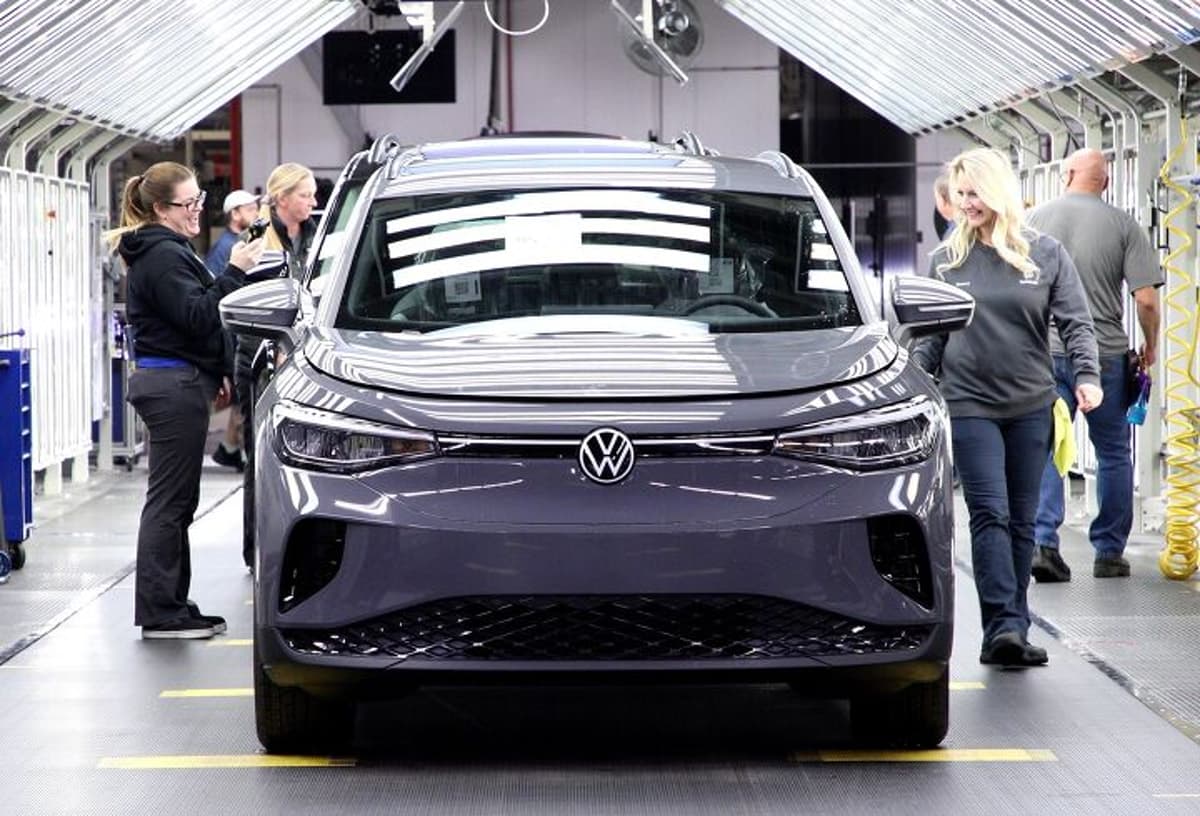
VW Halting U.S. Production of ID.4, Shifting to More SUVs
Key Takeaways
- •ID.4 production ends in Tennessee; plant shifts to higher‑volume SUVs
- •2027 Atlas slated as VW’s next flagship SUV for U.S. market
- •Q4 2025 ID.4 sales dropped 61.6%, selling only 248 units
- •VW plans new U.S.-specific EV model, production capacity may increase
- •Federal tax credit removal contributed to EV slowdown across U.S. automakers
Pulse Analysis
Volkswagen’s decision to halt ID.4 production at its Chattanooga facility underscores a pragmatic response to dwindling demand for its first‑generation electric SUV in the United States. After a strong start, the ID.4 saw sales tumble 61.6% in the final quarter of 2025, with only 248 units sold, prompting VW to re‑evaluate its allocation of manufacturing capacity. By redirecting the line toward higher‑volume, profit‑driving models, the automaker aims to safeguard the plant’s long‑term viability while still keeping an eye on future electric offerings.
The broader EV market has been rattled by the removal of the $7,500 federal tax credit, a policy shift that has dampened consumer incentives and slowed adoption across the industry. Competitors such as Ford and General Motors have reported similar sales contractions, leading many to recalibrate their U.S. strategies toward conventional SUVs and trucks that command stronger margins. VW’s pivot mirrors this trend, but the company also signals intent to stay in the electric arena with a new U.S.-specific EV in development, suggesting a more targeted, market‑tailored approach rather than a wholesale retreat.
Looking ahead, the 2027 Atlas is positioned as VW’s flagship SUV, expected to leverage the Chattanooga plant’s capacity and capture a larger share of the lucrative midsize SUV segment. The Atlas’s larger footprint and higher price point promise better profitability than the ID.4, aligning with VW’s goal of higher‑volume, higher‑margin production. If the new EV model gains traction, the plant could see an overall capacity increase, balancing the shift back to internal‑combustion vehicles with a renewed electric focus. This strategy reflects a nuanced adaptation to policy, consumer demand, and competitive pressures in the evolving U.S. automotive landscape.
VW Halting U.S. Production of ID.4, Shifting to More SUVs
Comments
Want to join the conversation?