Electric Appliance Makers to Seek GST Cut as LPG Crisis Lifts Demand
Why It Matters
A GST cut and relaxed component import rules could lower retail prices, accelerate production, and help India mitigate its LPG crisis by shifting households to electric cooking solutions. This shift has broader implications for energy security and domestic manufacturing growth.
Key Takeaways
- •Induction cooktop demand up 90‑100% month‑on‑month.
- •GST on electric appliances currently 18%.
- •Manufacturers seek component import relief from China.
- •Government may cut GST and ease BIS certification.
Pulse Analysis
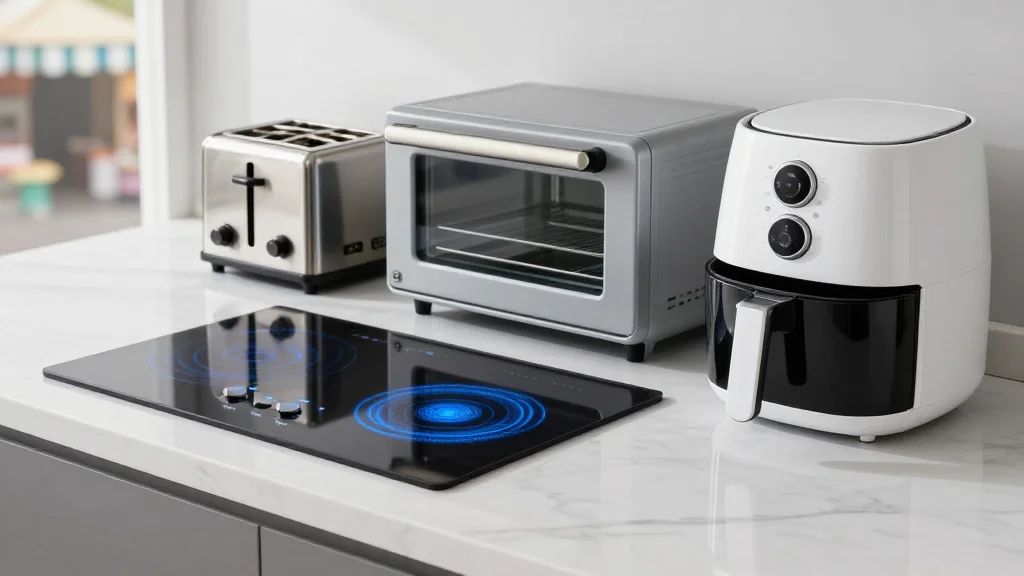
The current LPG crunch, amplified by the Gulf war, has forced Indian households to turn to electric cooking appliances, driving unprecedented demand spikes. Induction cooktops, in particular, have seen month‑on‑month growth of up to 100%, while electric kettle sales have risen 40‑60%. This rapid consumer shift has exposed supply chain fragilities, especially the reliance on Chinese‑made components that face Bureau of Indian Standards (BIS) certification bottlenecks. Reducing the 18% GST on these appliances could make them more price‑competitive against LPG, encouraging broader adoption and easing pressure on the nation’s gas imports.
Policy makers are now weighing fiscal levers and trade facilitation measures to sustain the momentum. The Department for Promotion of Industry and Internal Trade (DPIIT) has engaged directly with manufacturers, signaling a willingness to consider temporary GST cuts and streamlined BIS approvals. Such incentives would not only lower costs for end‑users but also enable manufacturers to air‑lift critical components, cutting lead times from the typical 25‑30 days by sea. A more flexible import regime could stimulate domestic capacity expansion, aligning with India’s broader "Make in India" agenda and reducing dependence on volatile global supply chains.
For the industry, the stakes are high. While capacity has been ramped up, the sudden demand surge caught many firms off‑guard, highlighting the need for a more resilient supply network. A coordinated approach—combining tax relief, certification easing, and incentives for local component production—could stabilize the market, protect margins, and accelerate the transition to electric cooking. This would not only address immediate energy security concerns but also position India as a growing hub for electric appliance manufacturing in the Asia‑Pacific region.
Electric appliance makers to seek GST cut as LPG crisis lifts demand
Comments
Want to join the conversation?
Loading comments...