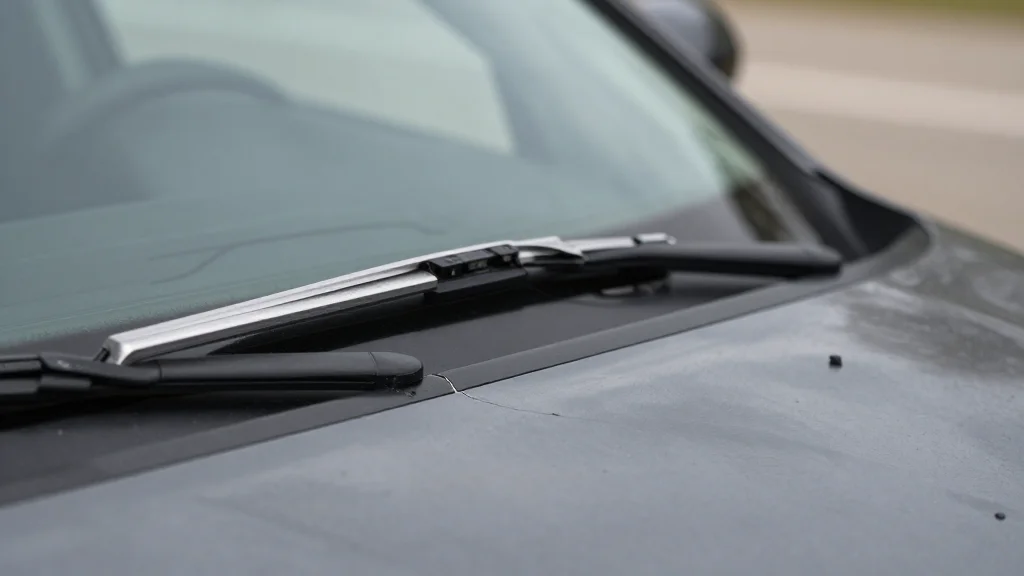
Ford Recalls 422,613 Trucks and SUVs over Faulty Windshield Wipers

Companies Mentioned
Why It Matters
The recall highlights how a seemingly minor component—windshield wiper arms—can trigger large‑scale safety actions that affect thousands of vehicles and millions of dollars in costs. For manufacturers, it reinforces the need for rigorous supplier oversight, especially as supply chains become more global and complex. Moreover, the episode arrives amid a broader industry shift toward electric vehicles, where any quality lapse could jeopardize consumer trust in new technologies. For the broader manufacturing sector, the incident serves as a cautionary tale about the importance of early‑stage quality checks and rapid corrective action. Companies that can swiftly identify and remediate component defects not only avoid regulatory penalties but also protect brand reputation, a critical asset in a market where safety perception directly influences purchasing decisions.
Key Takeaways
- •Ford recalls 422,613 U.S. vehicles due to faulty windshield wiper arms.
- •Affected models: 2021‑23 Lincoln Navigator, 2021‑23 Ford Expedition, 2022‑23 Super Duty trucks.
- •Defect stems from incorrectly staked latch‑retention plates at a single supplier.
- •Dealers to begin inspections April 1; owner letters mailed April 13‑17.
- •Estimated direct recall cost exceeds $150 million, plus potential brand impact.
Pulse Analysis
Ford’s latest recall underscores a persistent challenge for legacy automakers: balancing high-volume production with stringent component quality. The wiper arm defect, while not affecting power‑train performance, illustrates how a single supplier misstep can cascade into a multi‑hundred‑thousand‑vehicle recall, eroding profit margins and stretching dealer resources. Historically, recalls of this magnitude have prompted manufacturers to tighten tier‑one oversight, invest in in‑house testing, and diversify their supplier base to mitigate risk.
From a market perspective, the timing is noteworthy. As Ford ramps up production of its electric F‑150 Lightning and other EV models, any safety‑related recall can amplify scrutiny from regulators and consumers alike. The company’s swift response—issuing a detailed NHTSA report, outlining a clear remediation path, and committing to enhanced supplier audits—aims to contain reputational damage. However, the $150 million cost estimate, combined with potential warranty extensions, will likely pressure Ford’s quarterly earnings and could influence investor sentiment in a sector already volatile due to supply‑chain disruptions.
Looking forward, the incident may accelerate industry‑wide adoption of more robust digital quality‑control tools, such as AI‑driven defect detection and real‑time supplier performance dashboards. For manufacturers, the lesson is clear: proactive quality assurance is not just a compliance checkbox but a strategic imperative that safeguards both the bottom line and brand equity in an increasingly safety‑conscious market.
Ford recalls 422,613 trucks and SUVs over faulty windshield wipers
Comments
Want to join the conversation?
Loading comments...