How to Make Automation and Process Control Ideas Work
Why It Matters
Custom, data‑driven automation reduces regulatory risk and operational costs, giving manufacturers a competitive edge in increasingly digitized markets.
Key Takeaways
- •~100 full‑scale automation projects completed annually
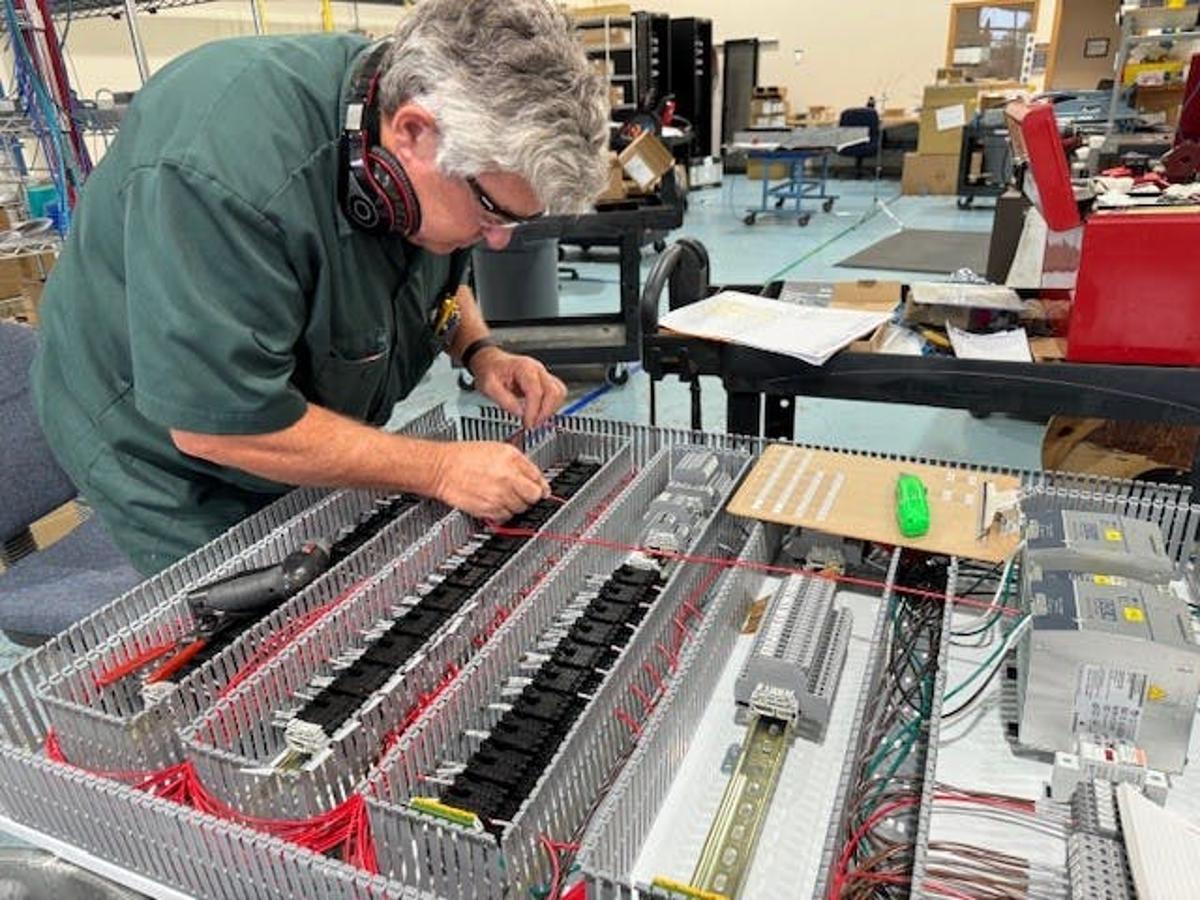
- •Own UL‑certified panel shops enable end‑to‑end integration
- •Custom full‑process solutions, not just machine control
- •Data analytics and IIoT boost operational efficiency
- •Projects span 23 states, Canada, Asia, Europe, South America
Pulse Analysis
System integrators like Huffman Engineering are becoming strategic partners rather than mere equipment vendors. By maintaining in‑house UL‑certified panel shops and a multidisciplinary engineering team, Huffman can control every phase—from concept and validation to training—ensuring compliance with stringent industry regulations. This full‑service model shortens lead times and minimizes unexpected downtime, a critical advantage for sectors such as pharmaceuticals, water treatment, and natural‑gas utilities where safety and reliability are non‑negotiable.
The broader automation landscape is shifting toward hyper‑connected, data‑centric operations. Huffman’s clients increasingly demand IIoT integration, real‑time business intelligence, and AI‑enabled analytics to turn machine data into actionable insights. Digital‑twin tools like Elan and SolidWorks allow designers to simulate processes before physical build, reducing risk and supporting sustainability goals such as methane capture and PFAS management. As cybersecurity and machine‑learning requirements tighten, integrators that can bridge OT and IT layers become indispensable.
For businesses, these capabilities translate into measurable financial benefits. Real‑time monitoring and remote access enable predictive maintenance, cutting unplanned outages and extending equipment life. Customized control architectures empower manufacturers to scale production while adhering to evolving regulatory standards, fostering repeat engagements and geographic expansion. As the industry embraces collaborative robots, edge computing, and tighter ERP integration, firms that combine deep hardware expertise with advanced software analytics—like Huffman—are poised to lead the next wave of industrial transformation.
How to make automation and process control ideas work


Comments
Want to join the conversation?
Loading comments...