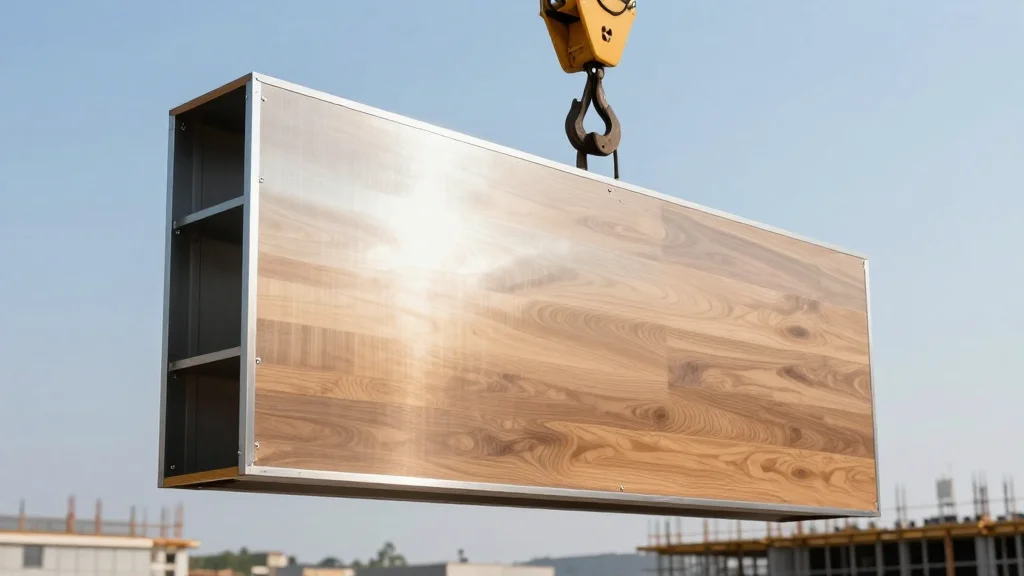
JE Dunn Launches Offsite Manufacturing Arm
Why It Matters
Off‑site manufacturing addresses labor shortages and cost volatility, giving developers faster, safer, and more predictable project delivery. JE Dunn’s entry expands competitive options and accelerates adoption of modular methods across the U.S. construction market.
Key Takeaways
- •Form Off‑Site targets metal, wood, skin, and multi‑trade assemblies.
- •Offers end‑to‑end services from design to logistics.
- •Aims to cut labor costs and accelerate schedules.
- •Joins industry trend after Turner, Boldt, and McCarthy.
- •Led by Nick Effenheim, leveraging five years of testing.
Pulse Analysis
The U.S. construction sector is accelerating its shift toward off‑site manufacturing as developers grapple with chronic labor shortages and rising material costs. Prefabricated components promise tighter schedule control, reduced on‑site waste, and improved safety, making them attractive for large‑scale projects such as hospitals, data centers, and mixed‑use towers. Industry analysts estimate the modular market could exceed $150 billion globally by 2030, driven by digital design tools, advanced robotics, and a growing appetite for predictable cost structures.
JE Dunn’s new subsidiary, Form Off‑Site Solutions, positions the Kansas City‑based contractor to capture a slice of that momentum. The unit will produce four core assembly types—metal, wood, building‑skin, and multi‑trade—using a Design for Manufacturing philosophy that aligns engineering specifications with factory‑scale production. By bundling product planning, engineering, fabrication, shipping and logistics under one brand, JE Dunn can offer clients a single point of accountability, potentially shortening delivery windows by weeks and delivering greater cost certainty on complex builds.
The launch puts JE Dunn in direct competition with Turner’s xPL Offsite and Boldt’s Bildt, signaling a broader consolidation of off‑site capabilities among legacy contractors. As more firms adopt modular strategies, the competitive edge will shift toward those that can integrate digital twins, real‑time supply‑chain visibility, and sustainable material sourcing. For owners, the proliferation of endorsed off‑site brands translates into more options for risk‑mitigated delivery, while the industry as a whole may see a faster transition from on‑site labor‑intensive methods to factory‑based production.
JE Dunn launches offsite manufacturing arm
Comments
Want to join the conversation?
Loading comments...