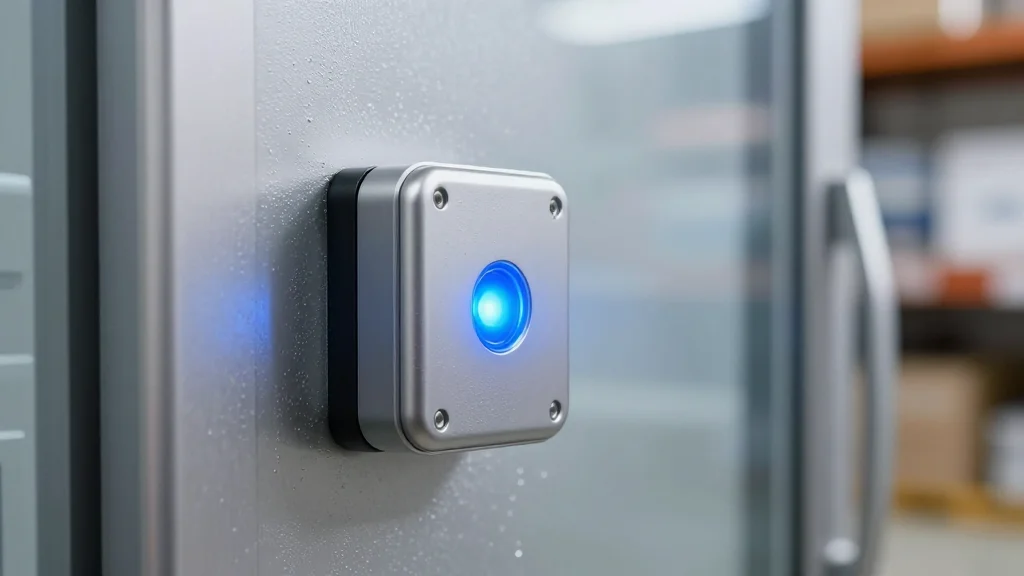
Smart Building Technology as a Risk Management Strategy for Food Manufacturers
Why It Matters
By turning passive data into proactive alerts, manufacturers can cut costly production losses, meet stringent food‑safety regulations, and negotiate more favorable insurance contracts, delivering a measurable competitive advantage.
Key Takeaways
- •Sensors detect equipment strain, temperature shifts, and security breaches early
- •Deploy in cold storage and critical utilities for highest ROI
- •Documented data improves insurance terms and speeds claim resolution
- •Clear alert protocols turn data into actionable risk reduction
Pulse Analysis
Smart building sensors are reshaping risk management in food manufacturing by moving from reactive troubleshooting to proactive intelligence. Facilities already generate massive streams of temperature logs, humidity readings, and equipment performance metrics, yet without a unified early‑warning network these signals remain underutilized. Integrated sensor platforms now aggregate this data in real time, flagging anomalies such as refrigeration drift or motor vibration spikes before they evolve into product loss or regulatory violations. The result is a more resilient production line that can maintain continuous output while safeguarding food safety.
The financial upside hinges on strategic deployment. Companies see the highest ROI when they prioritize high‑impact areas—cold storage, raw‑material handling, and essential utilities—and embed sensors within a Building Management System (BMS) that ties alerts to clear escalation paths. Predictive maintenance algorithms analyze vibration and power usage trends, prompting pre‑emptive service that avoids costly unplanned downtime. Successful rollouts also require tight coordination between OT and IT teams to address cybersecurity risks, enforce multifactor authentication, and ensure data integrity, all while keeping implementation costs manageable through phased pilots.
Beyond operational gains, smart building data strengthens insurance positioning and regulatory compliance. Time‑stamped sensor records provide auditors with concrete evidence of continuous monitoring, simplifying inspections and reducing liability exposure. Insurers can leverage this documented risk control to offer lower premiums, expanded equipment‑breakdown coverage, and faster claim settlements when incidents occur. As the industry leans further into digital transformation, facilities that embed smart building technology into their risk‑management roadmap will enjoy not only smoother operations but also a strategic partnership with insurers that aligns coverage with real‑time risk visibility.
Smart Building Technology as a Risk Management Strategy for Food Manufacturers
Comments
Want to join the conversation?
Loading comments...