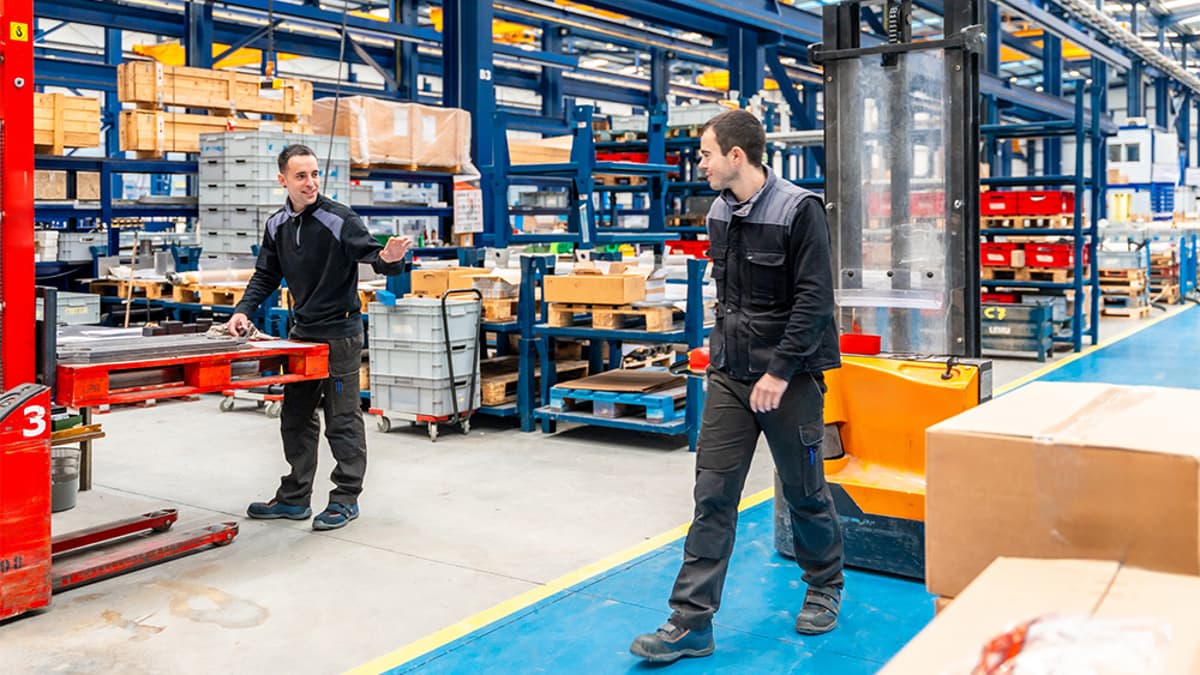
Warehouse Post-Holiday Recovery: Maintaining Equipment and Staff
Why It Matters
Neglecting post‑peak recovery fuels equipment breakdowns, safety risks, and lower labor efficiency, jeopardizing the entire fiscal year’s performance. Systematic recovery safeguards uptime and prepares the operation for sustainable growth.
Key Takeaways
- •Deferred maintenance leads to unexpected equipment failures
- •Temporary storage blocks pathways, increasing safety hazards
- •Post‑peak fatigue reduces worker productivity and morale
- •Data review reveals process deviations and bottlenecks
- •Standardized recovery checklist improves uptime and reduces risks
Pulse Analysis
The transition from peak holiday demand to normal operations is a critical, yet under‑appreciated, juncture for warehouses. During November and December, equipment runs around the clock and staff endure extended shifts, creating cumulative wear and fatigue that often remains invisible until a breakdown occurs. Simultaneously, ad‑hoc storage zones and temporary signage disrupt material flow, raising safety concerns. Recognizing these latent issues early enables managers to shift from reactive firefighting to strategic upkeep, preserving both assets and employee well‑being.
Effective post‑peak recovery hinges on three practical pillars: equipment, layout, and people. First, warehouses should prioritize deferred maintenance, conduct thorough inspections of high‑usage machinery, and retire or return rented equipment that no longer serves a purpose. Second, a systematic layout reset—removing temporary storage, clearing pathways, and reinstating standard markings—restores optimal flow and reduces accident risk. Third, addressing staff fatigue through rest periods, morale‑boosting initiatives, and reinforcement of core SOPs curtails error rates and burnout. Coupling these actions with a data‑driven review of peak‑season KPIs uncovers process deviations and bottlenecks, guiding targeted improvements.
Embedding a formal post‑peak recovery checklist transforms a seasonal afterthought into a repeatable best practice. By documenting maintenance tasks, layout changes, staffing adjustments, and performance insights, warehouses create a living playbook that accelerates readiness for the next cycle. This disciplined approach not only safeguards equipment uptime and enhances safety but also drives measurable gains in labor productivity and cost efficiency. Companies that institutionalize recovery reap long‑term competitive advantages, turning the post‑holiday lull into a springboard for sustained operational excellence.
Warehouse Post-Holiday Recovery: Maintaining Equipment and Staff


Comments
Want to join the conversation?
Loading comments...