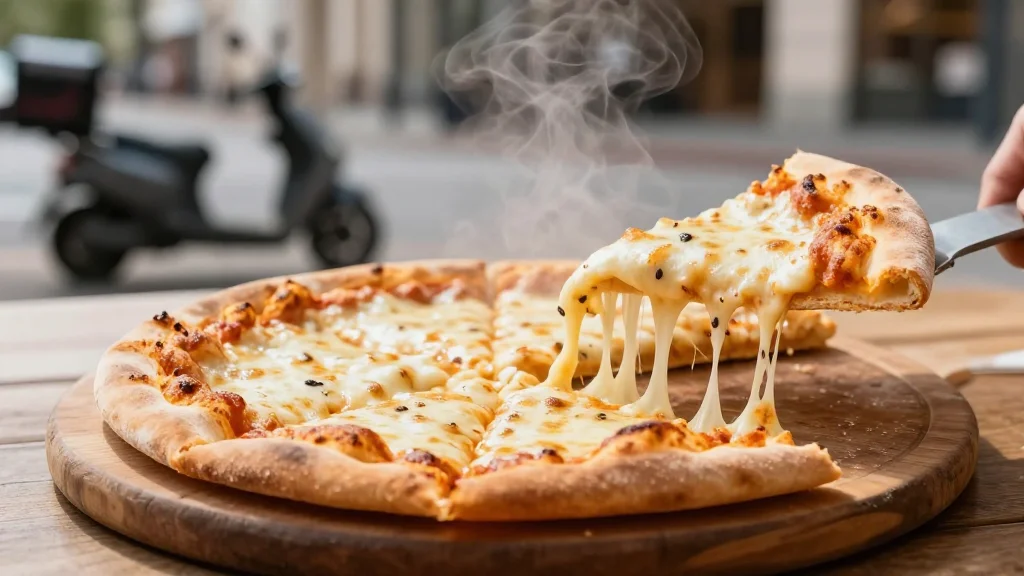
Domino’s Admitted Their Pizza Tasted Like Cardboard
Key Takeaways
- •Domino’s led delivery speed but ranked last for taste in 2010.
- •Consumer tests showed brand bias lowered pizza ratings versus competitors.
- •CEO Patrick Doyle publicly admitted the ‘cardboard’ pizza problem.
- •Domino’s launched a recipe overhaul and transparent marketing campaign.
- •Turnaround drove sales growth and restored brand credibility.
Pulse Analysis
In the early 2010s the pizza delivery market was defined by speed, convenience, and emerging mobile platforms. Domino’s excelled at these dimensions, pioneering online ordering and real‑time tracking, which earned it top rankings for service. However, taste surveys revealed a stark disconnect: customers consistently rated its pizza lower than even children‑focused chains, describing the crust and sauce as bland and cardboard‑like. This perception gap highlighted a classic brand bias—where the Domino’s name itself depressed taste scores, underscoring the need for an objective product audit.
Faced with declining loyalty, Domino’s launched a data‑driven overhaul. The company enlisted food scientists to redesign its crust, sauce, and cheese blend, introducing fresh, higher‑quality ingredients and a new preparation process. Simultaneously, it rolled out a bold "Pizza Turnaround" campaign that openly admitted past shortcomings and invited customers to taste the new recipe. By leveraging its digital ecosystem—mobile apps, social media, and real‑time feedback loops—Domino’s gathered rapid consumer insights, iterating the product in weeks rather than months. The transparent approach turned a liability into a marketing asset, converting skeptics into advocates.
The results were swift and measurable. Within a year, same‑store sales grew double‑digit, and the brand climbed from the bottom to the top tier of taste rankings. Domino’s case has become a textbook example for legacy brands: operational excellence must be paired with product relevance, and candid communication can rebuild trust. For the broader food‑service industry, the lesson is clear—leveraging analytics, embracing transparency, and prioritizing core product quality are essential levers for sustainable growth.
Domino’s Admitted Their Pizza Tasted Like Cardboard
Comments
Want to join the conversation?