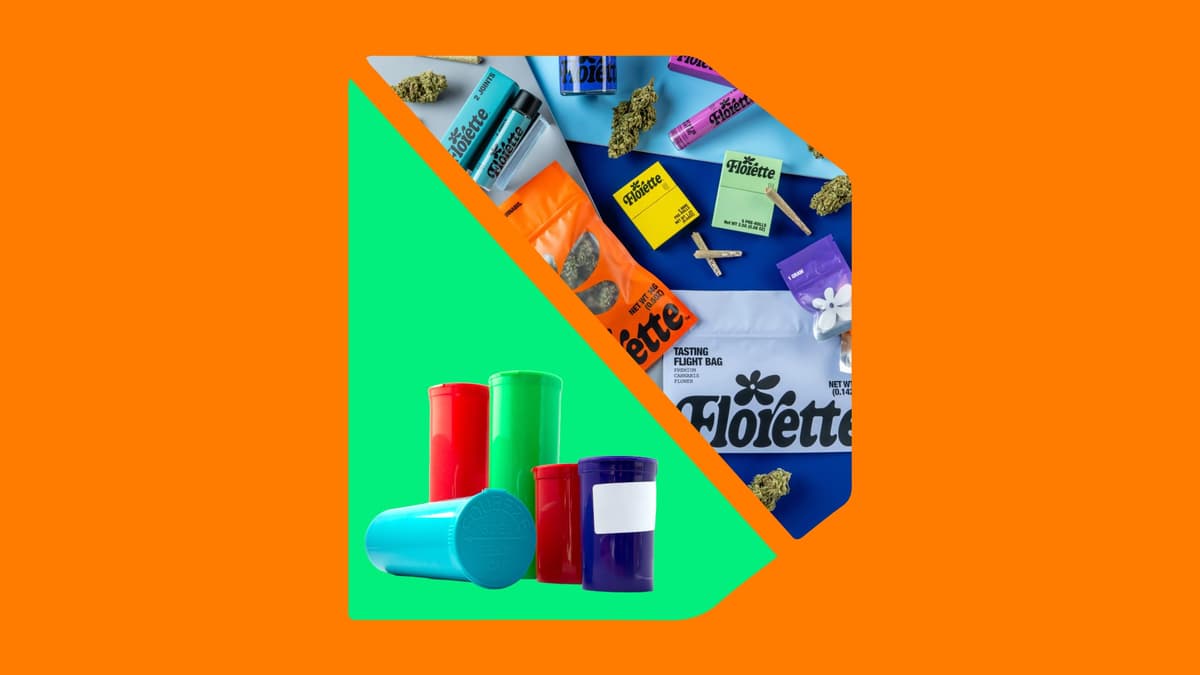
From Baggy to Boutique: The Decade That Transformed Cannabis Branding
Key Takeaways
- •Cannabis branding now mirrors premium CPG aesthetics.
- •24 states allow recreational use; 40 permit medical marijuana.
- •Online sales and big‑box retailers boost brand visibility.
- •Younger consumers view cannabis as a mainstream lifestyle product.
- •Future branding will hinge on federal policy and differentiation.
Pulse Analysis
The past ten years have witnessed a legal renaissance that fundamentally altered how cannabis is marketed. Early adopters operated in a gray zone, relying on discreet packaging and word‑of‑mouth promotion. State‑level reforms—beginning with California’s medical program in 1996 and accelerating after the 2012 recreational rollouts—provided a regulatory framework that encouraged brands to invest in visual identity, product consistency, and compliance. The 2018 Farm Bill further legitimized hemp‑derived products, opening doors for cross‑category collaborations and elevating consumer expectations for quality and transparency.
Modern cannabis brands now compete on the same visual and experiential planes as craft beer, premium snacks, and beauty products. Boutique packaging, curated flavor profiles, and storytelling that emphasizes sustainability or local terroir are commonplace. Digital channels, from social media to direct‑to‑consumer e‑commerce platforms, allow brands to reach a tech‑savvy audience that expects seamless online purchasing—often through retailers such as Target or Walmart. This mainstream exposure has accelerated brand equity, attracting venture capital and prompting traditional CPG players to explore cannabis extensions.
Looking ahead, the trajectory of cannabis branding will be dictated by two forces: potential federal legalization and the intensifying battle for consumer mindshare. A unified federal framework could unlock national distribution, prompting brands to standardize packaging and invest in large‑scale advertising. Simultaneously, differentiation will become paramount as market saturation rises; firms will need to leverage data‑driven insights, innovative product formats, and immersive brand experiences to stay ahead. Companies that master this balance are poised to capture a sizable share of an industry projected to exceed $50 billion in U.S. sales within the next decade.
From Baggy to Boutique: The Decade That Transformed Cannabis Branding
Comments
Want to join the conversation?