Why It Matters
High‑margin, Instagram‑ready drinks capture younger spend and can become a new profit engine for QSRs, forcing legacy brands to reinvent their beverage strategies.
Key Takeaways
- •60% of Starbucks sales now from cold drinks.
- •Dutch Bros targets 2,000 US locations by 2029.
- •McDonald’s trialed CosMc’s, now expanding drink menu.
- •KFC to launch 11 teen‑focused drinks in 2026.
- •Bright, sugary drinks drive higher margins and social buzz.
Pulse Analysis
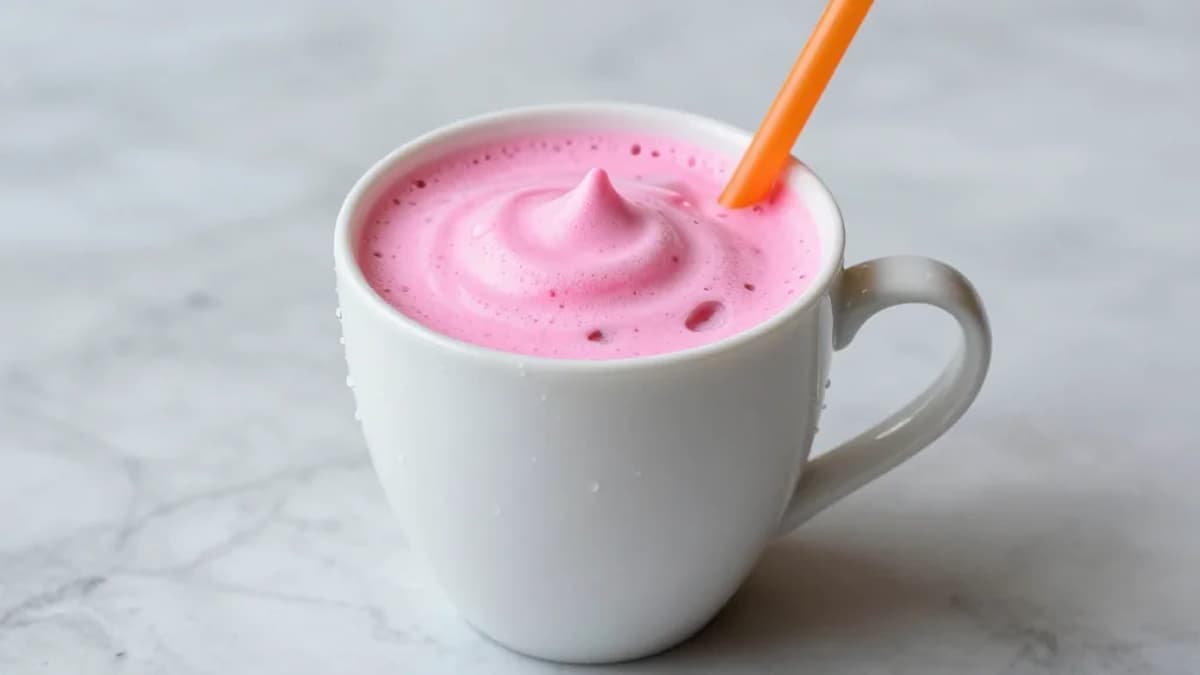
The surge in colorful, sugar‑laden drinks reflects a broader generational shift. Younger consumers, accustomed to instant visual gratification, gravitate toward Instagram‑worthy beverages that double as status symbols. While price inflation squeezes traditional fast‑food menus, these drinks command premium pricing—often £4‑5 per cup—yet remain affordable for teens with prepaid gift cards. This dynamic creates a lucrative niche where experience outweighs cost, prompting brands to prioritize beverage innovation over classic menu items.
Dutch Bros exemplifies the model, expanding from a drive‑thru‑only footprint to over 1,100 stores and targeting 2,000 locations by 2029. Its menu, packed with names like "Cotton Candy Shake" and "Poppin’ Boba," delivers up to 100 g of sugar per serving, yet generates strong margins and drives foot traffic. Starbucks, once synonymous with coffee, now reports that cold drinks—many of which are sweet, non‑coffee concoctions—account for 60% of its sales, underscoring the profitability of this trend. McDonald’s and KFC have responded with experimental concepts such as CosMc’s and Kwench, testing dedicated beverage spaces before integrating successful items into their core outlets.
For the QSR sector, the implication is clear: beverage innovation is becoming a competitive differentiator. High‑margin drinks not only boost average ticket size but also attract a younger demographic that fuels repeat visits and brand advocacy online. However, the health backlash over excessive sugar and the regulatory environment could temper growth. Brands that balance indulgent flavors with transparent nutrition information, while leveraging social media virality, are poised to turn the "sweet sauce" of drinks into a sustainable revenue stream.
A sweet proposition
0
Comments
Want to join the conversation?
Loading comments...