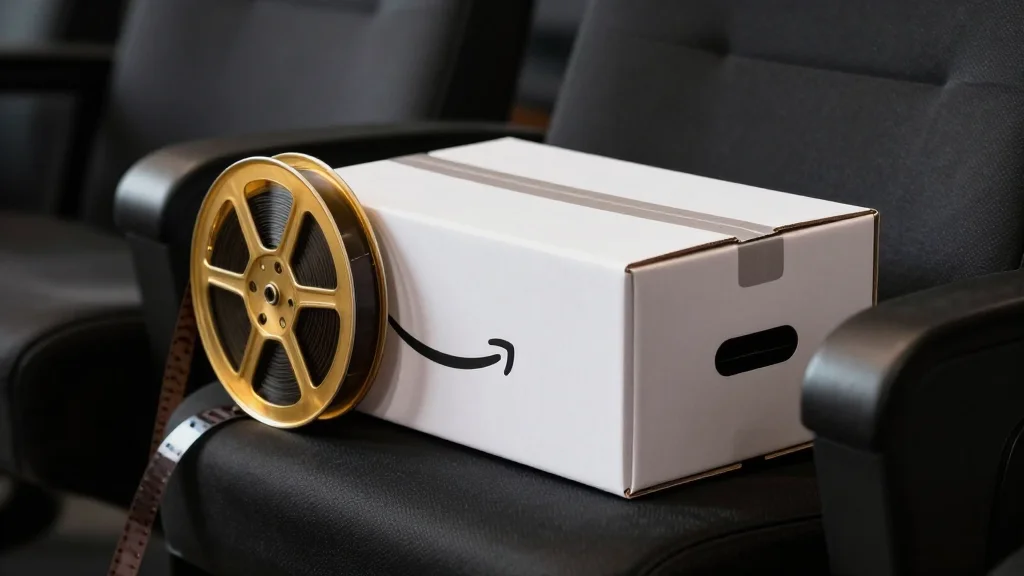
Amazon MGM Leverages E‑Commerce Power to Market ‘Project Hail Mary’ at CinemaCon

Companies Mentioned
Why It Matters
Amazon MGM’s integrated marketing blueprint could redefine how studios monetize theatrical releases. By harnessing Amazon’s retail data and Prime Video ecosystem, the studio can target audiences with precision, potentially shortening the lag between streaming and box‑office revenue. This model also offers exhibitors a more predictable pipeline of content, reducing the risk associated with a volatile post‑pandemic market. If successful, the approach may pressure legacy studios to adopt similar cross‑platform strategies or risk losing market share to a conglomerate that can bundle film releases with product promotions, Prime subscriptions, and Amazon advertising. The outcome will influence how future blockbuster campaigns are funded, measured, and executed across the entertainment and retail sectors.
Key Takeaways
- •Amazon MGM presented its CinemaCon strategy on April 15, 2026, highlighting a $525 million global box‑office for ‘Project Hail Mary.’
- •Phil Lord linked the film’s cross‑world narrative to Amazon’s multi‑channel marketing ecosystem.
- •Mike Hopkins pledged a minimum of 15 theatrical releases per year, backed by an upcoming international distribution unit.
- •Michael B. Jordan’s ‘The Thomas Crown Affair’ trailer debuted with live music from Jon Batiste, signaling high‑profile cross‑promotion.
- •The studio’s slate includes franchise tentpoles like ‘Masters of the Universe’ and literary adaptations such as ‘Verity,’ all slated for 2026‑27 releases.
Pulse Analysis
Amazon MGM’s CinemaCon showcase marks a strategic inflection point where a traditional studio leverages the data and distribution muscle of a tech‑driven retailer. Historically, studios have treated theatrical windows as a siloed revenue stream, but Amazon’s ability to cross‑sell tickets alongside product recommendations on its shopping site creates a feedback loop that can boost both box‑office and e‑commerce sales. This synergy is evident in the $525 million performance of ‘Project Hail Mary,’ a figure that outpaces many franchise releases that lack comparable retail backing.
The commitment to 15 releases annually signals confidence in a pipeline that can be continuously fed through Amazon’s algorithmic targeting. However, the model also raises questions about market concentration: if Amazon can bundle film tickets with Prime subscriptions or product discounts, smaller studios may struggle to compete for screen space and consumer attention. The upcoming international distribution arm could further extend this advantage, allowing Amazon MGM to tailor marketing campaigns to regional shopping habits and local advertising ecosystems.
In the broader industry context, the move forces legacy players like Disney, Warner Bros., and Universal to reconsider their siloed approaches. While they have begun experimenting with limited‑theater windows and streaming tie‑ins, none have the same depth of consumer data that Amazon commands. The next few quarters will reveal whether Amazon MGM’s integrated strategy translates into sustained box‑office growth or if the novelty of cross‑promotion wanes as audiences become more selective. Either way, the CinemaCon rollout underscores a new competitive axis—where the battle for audience dollars is fought as much in the shopping cart as in the theater seat.
Amazon MGM Leverages E‑Commerce Power to Market ‘Project Hail Mary’ at CinemaCon
Comments
Want to join the conversation?
Loading comments...