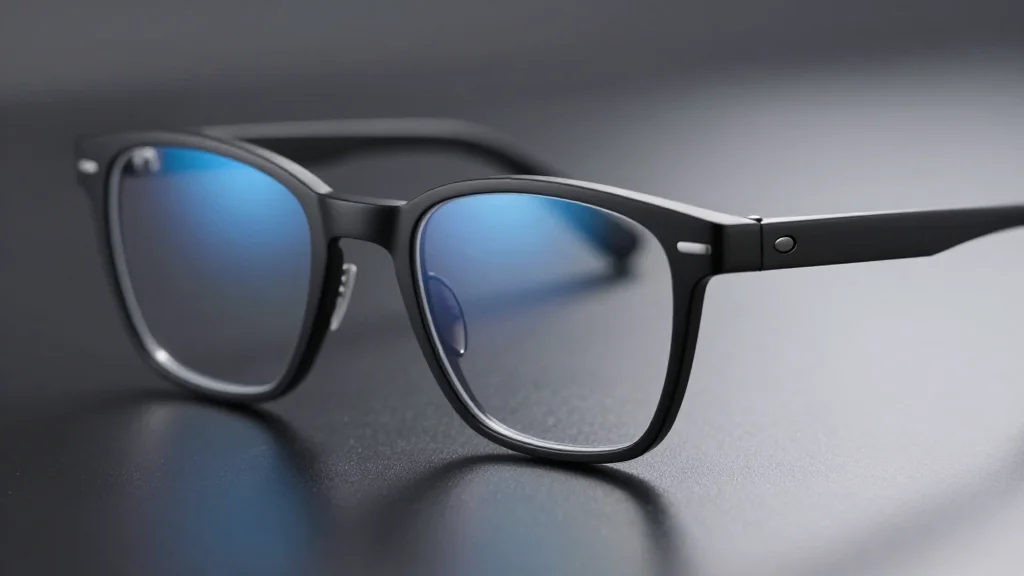
Apple Mirrors Watch Playbook in Smart‑Glasses Push, Targets $200B Eyewear Market

Companies Mentioned


Why It Matters
Apple’s entry into smart‑glasses could redefine the eyewear industry by merging fashion with AI‑driven functionality, forcing legacy brands to innovate or risk obsolescence. The strategy also illustrates how a dominant ecosystem can accelerate adoption of new hardware categories, setting a template for future product launches across the tech sector. For marketers, Apple’s focus on mainstream pricing and seamless integration signals a shift toward mass‑market AR experiences, opening new advertising channels and data collection opportunities that could rival traditional digital platforms.
Key Takeaways
- •Apple is applying its Apple Watch market‑entry playbook to upcoming smart‑glasses.
- •Eyewear market valued at $180‑$200 billion, larger than the $132 billion watch market.
- •Apple Watch generates about $17 billion annually, setting a benchmark for new hardware.
- •Target price range for glasses is $200‑$500, aimed at mainstream consumers.
- •Apple’s ecosystem of over 2 billion devices will support adoption and AI features.
Pulse Analysis
Apple’s decision to mirror its smartwatch strategy reflects a calculated risk: leveraging brand cachet and a massive device ecosystem to break into a fragmented, fashion‑driven market. Historically, Apple’s success with the Watch stemmed from creating a compelling, integrated experience that transcended pure hardware. By replicating that formula in eyewear, Apple hopes to turn a commodity product into a platform for services, health tracking, and augmented reality.
The competitive dynamics are stark. Meta’s partnership with Ray‑Ban gave it a fashion foothold, but Apple’s retail reach and design pedigree could outpace Meta’s distribution. Samsung, while technologically adept, lacks Apple’s unified software ecosystem, which could be decisive for consumers seeking seamless integration with iPhone and Apple services. Legacy optical brands may respond by accelerating their own smart‑glasses initiatives or by emphasizing craftsmanship and exclusivity to retain niche markets.
From a marketing perspective, Apple’s entry could unlock a new ad inventory layer. Smart‑glasses that overlay digital content onto the physical world present opportunities for contextual, location‑based advertising that is more immersive than current mobile formats. Brands that can adapt creative strategies to this medium may gain early mover advantage, while privacy concerns will likely shape regulatory and consumer sentiment. Overall, Apple’s move could catalyze a shift from passive eyewear to interactive, data‑rich devices, reshaping both the fashion and tech advertising landscapes.
Apple Mirrors Watch Playbook in Smart‑Glasses Push, Targets $200B Eyewear Market
Comments
Want to join the conversation?
Loading comments...