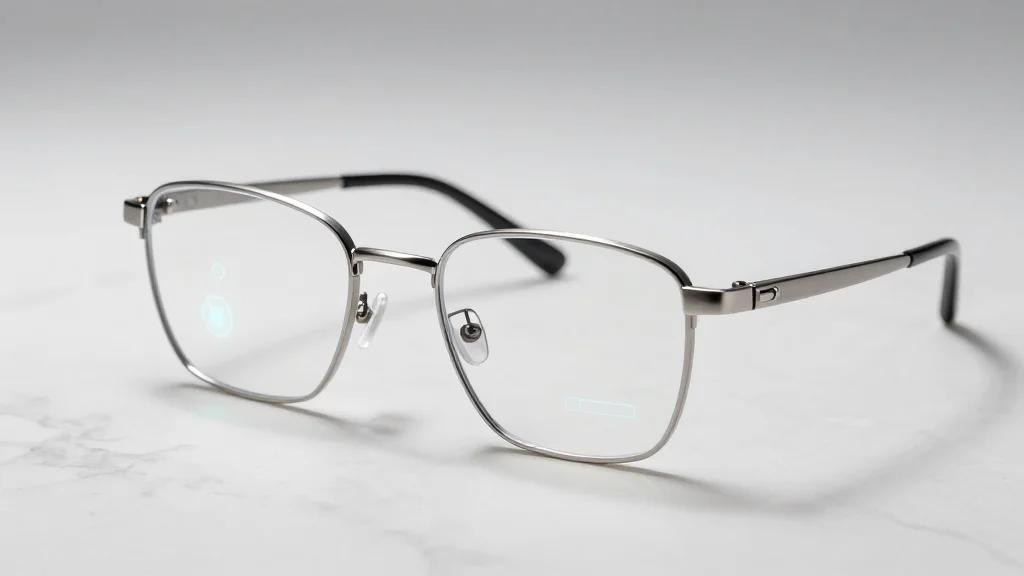
Apple Targets September Launch of Smart Glasses to Undercut Meta’s AR Push

Companies Mentioned


Why It Matters
The introduction of Apple Glasses could reshape the AR advertising ecosystem by giving brands a direct visual channel tied to the iPhone’s massive user base. If Apple successfully integrates visual reminders and contextual overlays, advertisers may shift spend from traditional mobile ads to immersive, on‑glasses experiences. Moreover, Apple’s timing could force Meta and other rivals to accelerate feature releases or cut prices, intensifying competition in a market that has yet to achieve mainstream adoption. For marketers, the launch signals a new platform for data‑driven, location‑aware storytelling. Apple’s strict privacy stance may limit the granularity of user data, prompting brands to explore consent‑based, contextual advertising models that rely on real‑time visual cues rather than persistent tracking.
Key Takeaways
- •Apple Glasses slated for September/October 2024 launch
- •Four acetate frame styles in black, ocean blue, light brown and more
- •Integration with iPhone and Siri highlighted as key differentiators
- •Apple aims to roll out broader availability in early 2027
- •Launch intended to pre‑empt Meta’s holiday‑season AR sales
Pulse Analysis
Apple’s entry into smart glasses arrives at a pivotal moment for augmented reality. The company’s strength lies not in pioneering new display technology—initial models will be display‑free—but in leveraging its ecosystem to create a seamless user experience. Historically, Apple has turned hardware launches into platform expansions (e.g., Apple Watch, AirPods), each spawning new revenue streams and developer opportunities. Smart glasses could follow the same trajectory, turning a niche accessory into a conduit for services, apps, and advertising.
The timing is strategic. By debuting before the holiday rush, Apple can capture gift‑giving momentum and force competitors into a reactive posture. Meta’s Ray‑Ban glasses, while already sold in the millions, lack the deep iOS integration that Apple promises. If Apple can deliver reliable visual‑intelligence features—such as contextual product reminders in stores—it may unlock a premium ad inventory that rivals can’t easily replicate. However, the high price point and early‑stage technology could limit initial adoption, leaving room for lower‑cost competitors to dominate volume.
Looking ahead, the success of Apple Glasses will hinge on three factors: developer uptake, consumer comfort with always‑on wearables, and the ability to monetize the visual layer without eroding user privacy. Should Apple secure a robust SDK and attract marquee brands for early campaigns, the glasses could become the next battleground for digital advertising dollars, reshaping how marketers think about visual engagement in the physical world.
Apple Targets September Launch of Smart Glasses to Undercut Meta’s AR Push
Comments
Want to join the conversation?
Loading comments...