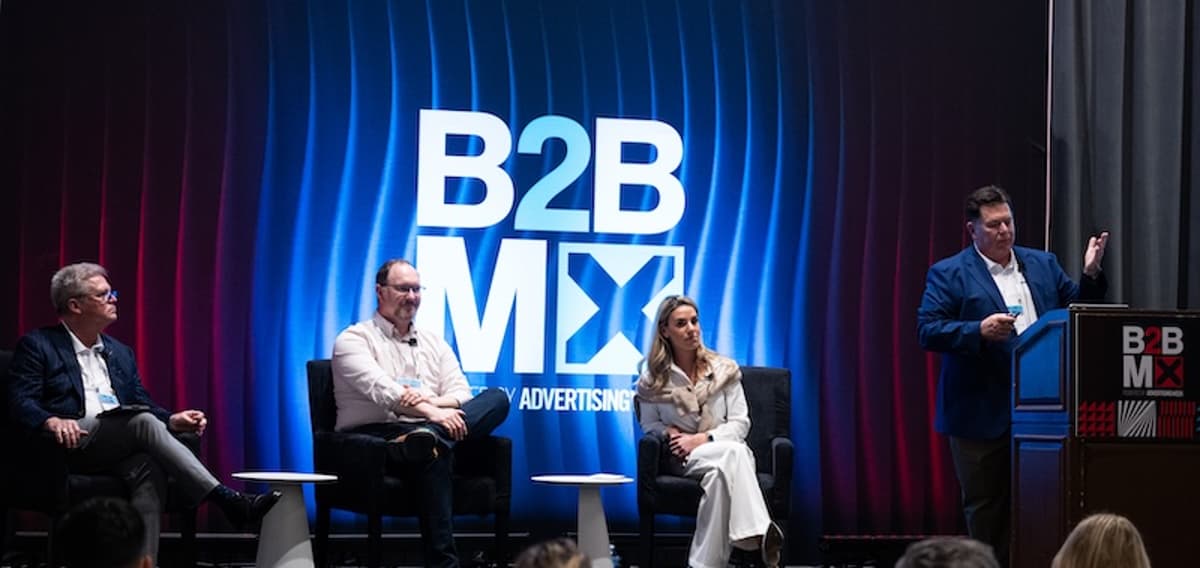
B2B Buying Decisions Demand Consensus, Not Champions: Lessons From B2BMX 2026
Companies Mentioned
Why It Matters
Consensus‑driven buying reduces pipeline friction and creates more predictable revenue, forcing revenue teams to redesign coverage and measurement models.
Key Takeaways
- •Buying committees now average six+ stakeholders, reducing champion impact
- •Signal stacking validates intent across multiple roles, not just one
- •Role‑based clusters enable tailored content for executives, ops, and users
- •Coverage metrics must track participant roles, depth, and stage fit
- •Sales and marketing share pipeline ownership to achieve consensus
Pulse Analysis
The B2B buying landscape is undergoing a structural shift. While the champion model once drove pipeline velocity, modern purchasing groups resemble committees of six or more decision‑makers, spanning executive, operational, and tactical layers. This diffusion of authority means a single enthusiastic contact no longer guarantees account momentum. Companies that continue to chase isolated champions risk stalled deals and wasted resources, as the collective approval process introduces hidden veto points that only a consensus approach can surface.
Intent data remains a valuable early‑warning system, but its utility hinges on signal stacking—multiple, corroborating actions from different personas within the same organization. Marketers must move beyond a lone mid‑level manager’s search query and look for coordinated research across finance, IT, and line‑of‑business roles. Leveraging Large Language Models and Answer Engine Optimization helps surface these hidden signals, turning raw data into a nuanced picture of true buying readiness. The result is a more accurate forecast and a pipeline that reflects genuine cross‑functional interest rather than isolated curiosity.
Operationalizing consensus requires concrete changes to coverage metrics and team culture. Role‑based clusters enable tailored narratives that speak to each stakeholder’s pain points, while CRM dashboards should surface who is engaged, what stage they occupy, and where gaps exist. Sales and marketing must co‑own the pipeline, jointly tracking role participation, depth of engagement, and stage fit. By institutionalizing these practices, revenue teams transform activity into authentic coverage, turning committee‑driven buying into a predictable engine for growth.
B2B Buying Decisions Demand Consensus, Not Champions: Lessons From B2BMX 2026
Comments
Want to join the conversation?
Loading comments...