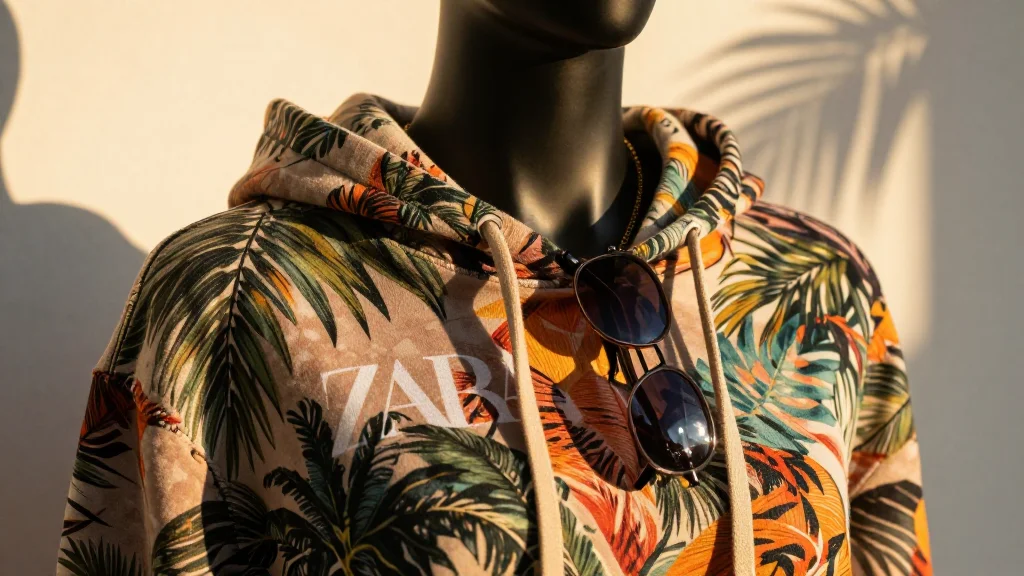
Bad Bunny Teams with Zara for Limited‑Edition "Benito Antonio" Collection

Companies Mentioned
Why It Matters
The Bad Bunny‑Zara partnership illustrates how music icons can become powerful brand extensions, turning streaming clout into tangible retail revenue. As clothing costs rise, fast‑fashion retailers are turning to celebrity collaborations to differentiate product lines, generate buzz, and attract younger consumers who are increasingly brand‑savvy and socially connected. For the music industry, such deals open new monetization pathways beyond touring and streaming royalties, diversifying income streams for artists. Moreover, the collaboration highlights a broader shift toward localized, limited‑edition drops that create urgency and social‑media momentum. If successful, the model could inspire a wave of similar partnerships, reshaping how apparel brands plan product cycles and how artists negotiate brand deals, potentially redefining the economics of both sectors.
Key Takeaways
- •Zara and Bad Bunny launched the "Benito Antonio" collection at a San Juan pop‑up on May 16, 2026.
- •Online sales begin on May 21, initially limited to Zara's Puerto Rico sites.
- •Bad Bunny has been Spotify's most‑streamed artist worldwide for multiple consecutive years.
- •Apparel prices rose 4.2% YoY in April 2026, prompting retailers to seek new growth levers.
- •CNN Style expert Oscar Holland noted the partnership signals a focus on accessibility amid rising consumer costs.
Pulse Analysis
Celebrity‑driven collaborations have become a cornerstone of fast‑fashion strategy, but the Bad Bunny‑Zara tie‑up stands out for its cultural specificity and timing. Bad Bunny’s bilingual, cross‑market appeal aligns with Zara’s global footprint, offering a rare blend of local relevance and worldwide brand equity. Historically, fashion houses have courted rock stars and movie icons; the shift toward Latin‑urban megastars reflects changing demographics and streaming‑driven fan bases that command massive, highly engaged audiences.
From a financial perspective, the limited‑edition model mitigates inventory risk while amplifying perceived value. By restricting the initial rollout to Puerto Rico, Zara can gauge demand elasticity without over‑extending supply chains—a crucial consideration as raw‑material costs climb. If the collection sells out quickly, the brand can justify a broader rollout, leveraging the data to negotiate future artist contracts with stronger terms.
The partnership also raises questions about brand dilution and authenticity. While Bad Bunny’s frequent public appearances in Zara apparel lend credibility, over‑reliance on celebrity tie‑ins could erode Zara’s core identity as a fast‑fashion leader. The key will be balancing hype‑driven drops with the brand’s staple offerings. For the music industry, the deal underscores a maturing revenue model where artists treat fashion collaborations as extensions of their personal brand, akin to album releases. As streaming margins tighten, such diversified income streams will become increasingly vital for sustaining long‑term artist profitability.
Overall, the Bad Bunny‑Zara collaboration is a litmus test for the next wave of music‑fashion synergies. Its success could accelerate a trend where record‑breaking streaming artists become de‑facto fashion designers, reshaping both industries’ go‑to‑market strategies.
Bad Bunny Teams with Zara for Limited‑Edition "Benito Antonio" Collection
Comments
Want to join the conversation?
Loading comments...