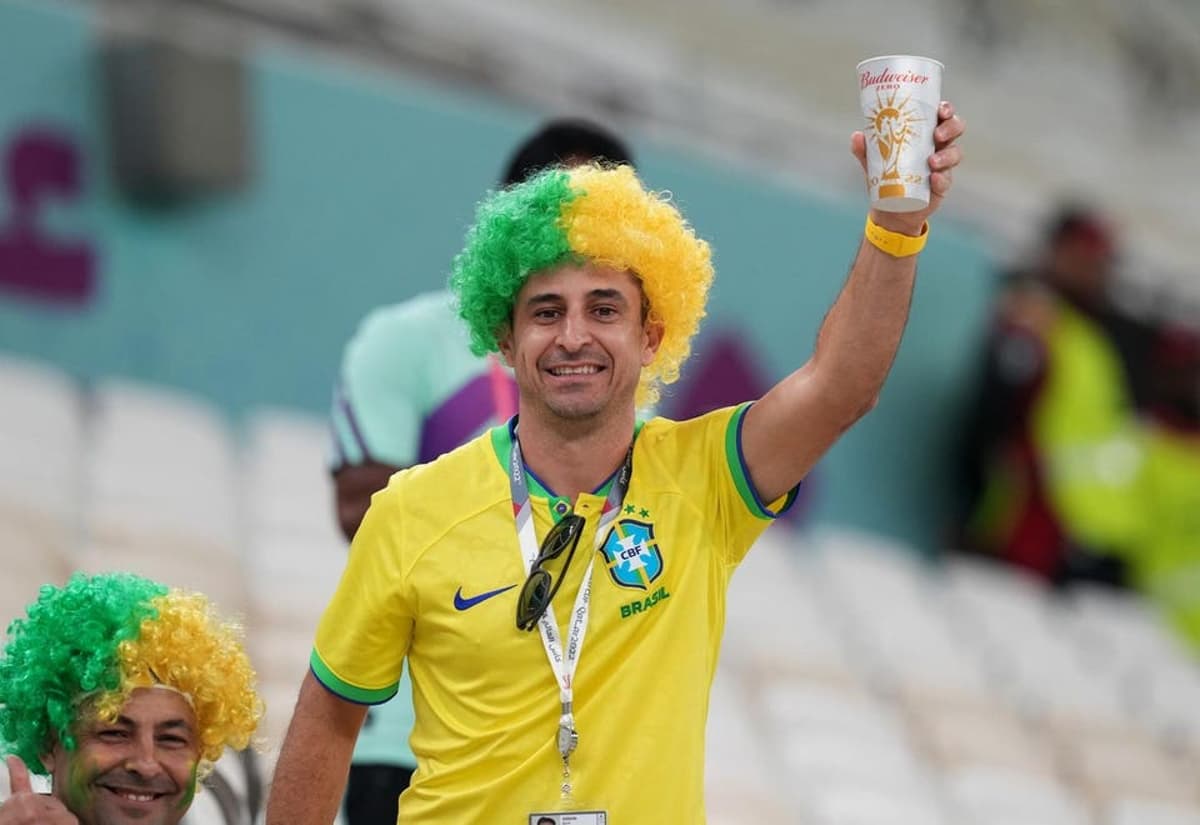
Beer Giants Are Making A Massive Zero-Proof Play For World Cup 2026
Companies Mentioned
Why It Matters
The shift signals that younger, health‑conscious consumers are redefining beer marketing, turning sports sponsorships into a platform for zero‑proof growth and broader industry relevance.
Key Takeaways
- •AB InBev's non‑alcoholic beer sales up 27% year‑over‑year
- •World Cup ad spend projected to add $10.5 billion globally
- •Heineken, Molson Coors, Michelob Ultra launch zero‑proof World Cup campaigns
- •Mash Gang targets grassroots activations instead of costly sponsorships
- •81% of surveyed fans prefer moderation, boosting zero‑proof demand
Pulse Analysis
The 2026 FIFA World Cup arrives at a tipping point for drinking habits in North America. Gallup data shows only 54% of Americans now drink alcohol, the lowest rate in nine decades, while the "sober curious" movement and GLP‑1 weight‑loss drugs push younger adults toward moderation. This cultural shift has turned non‑alcoholic beer into one of the fastest‑growing categories, with AB InBev’s zero‑proof brands delivering a 27% revenue lift and industry analysts projecting double‑digit growth throughout the tournament.
Brands are rewriting the playbook for sports marketing. Heineken, already a veteran of Formula 1 and UEFA partnerships, is amplifying Heineken 0.0 with stadium‑level activations and celebrity endorsements. Molson Coors rolled out Coors 0.0 alongside a soccer‑themed campaign featuring iconic commentator Andrés Cantor, while Michelob Ultra Zero leverages global football stars such as Messi and Ronaldo. In contrast, challenger Mash Gang eschews multimillion‑dollar sponsorships, opting for grassroots pop‑ups, busker performances and fan‑area tastings that embed zero‑proof beer into the communal ritual of match‑day viewing.
The commercial stakes extend beyond the tournament itself. Analysts at Barclays and Mintel argue that success in 2026 could cement zero‑proof beverages as a permanent pillar of the beer market, potentially accounting for 20% of total drinking experiences by 2030. As advertisers anticipate a $10.5 billion lift in global spend, the brands that master inclusive, health‑forward storytelling—rather than simply substituting alcohol with water—are likely to capture the next wave of growth, reshaping the future of both the beverage industry and sports sponsorships.
Beer Giants Are Making A Massive Zero-Proof Play For World Cup 2026
Comments
Want to join the conversation?
Loading comments...