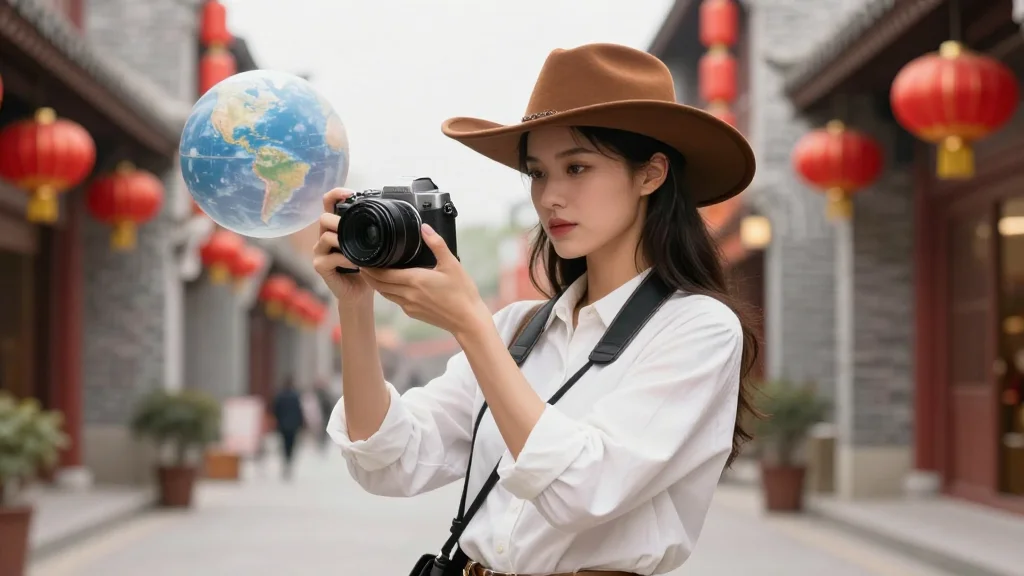
China‑Tour Strategist Turns Global Influencers Into Local Brands

Companies Mentioned

Why It Matters
China remains the world’s largest digital audience, yet many global creators struggle to break through cultural and platform barriers. Zhu’s service demonstrates a scalable blueprint for turning one‑off visits into ongoing fan engagement, providing marketers with a new lever to access Chinese consumers through trusted foreign personalities. By translating cultural nuances and aligning content with platform algorithms, the model reduces the risk of wasted spend on generic influencer campaigns. For brands, the approach offers a dual benefit: authentic storytelling that resonates with local sensibilities, and a direct pipeline to high‑visibility creators who can drive product trials and brand lift in a market that values localized narratives. As more creators adopt this tour‑based strategy, the influencer marketing ecosystem in China could shift from ad‑hoc reposts to structured, revenue‑generating collaborations.
Key Takeaways
- •Julie Zhu coordinates full‑service China tours for global creators like Khaby Lame and Pamela Reif.
- •Tours include events at iconic locations and introductions to platforms Douyin, Bilibili, Kuaishou, Rednote, WeChat Channels and Weibo.
- •Zhu secures brand partnerships and government tourism promotions during trips.
- •Localization now requires platform‑specific content tweaks—pacing, hooks, emotional tone.
- •The model aims to expand to mid‑tier creators, turning occasional visits into repeatable revenue streams.
Pulse Analysis
Zhu’s niche service arrives at a moment when Western brands are desperate for authentic entry points into China’s fragmented digital landscape. Traditional influencer marketing—simply reposting foreign content—has yielded diminishing returns as Chinese platforms tighten algorithmic preferences for locally resonant narratives. By embedding creators in the cultural fabric through immersive tours, Zhu creates a "live" localization process that generates organic content, real‑time audience interaction, and immediate brand tie‑ins.
Historically, cross‑border influencer campaigns have been limited to short‑term brand ambassadorships, often hampered by language barriers and platform silos. Zhu’s approach flips that model: the creator becomes a temporary cultural ambassador, producing a library of localized assets that can be repurposed across multiple Chinese channels. This not only amplifies reach but also provides brands with a diversified media mix that aligns with each platform’s unique consumption habits.
Looking forward, the scalability of this model will hinge on two factors. First, the ability to systematize the "nanny" function—automating logistics, visa handling, and platform onboarding—will determine whether mid‑tier creators can afford the service. Second, the willingness of Chinese brands to allocate budget to foreign talent, especially as domestic creators continue to dominate ad spend, will shape the long‑term revenue potential. If Zhu can streamline operations and demonstrate measurable ROI, the tour‑based influencer model could become a standard playbook for global marketers targeting China’s 1 billion‑plus internet users.
China‑Tour Strategist Turns Global Influencers into Local Brands
Comments
Want to join the conversation?
Loading comments...