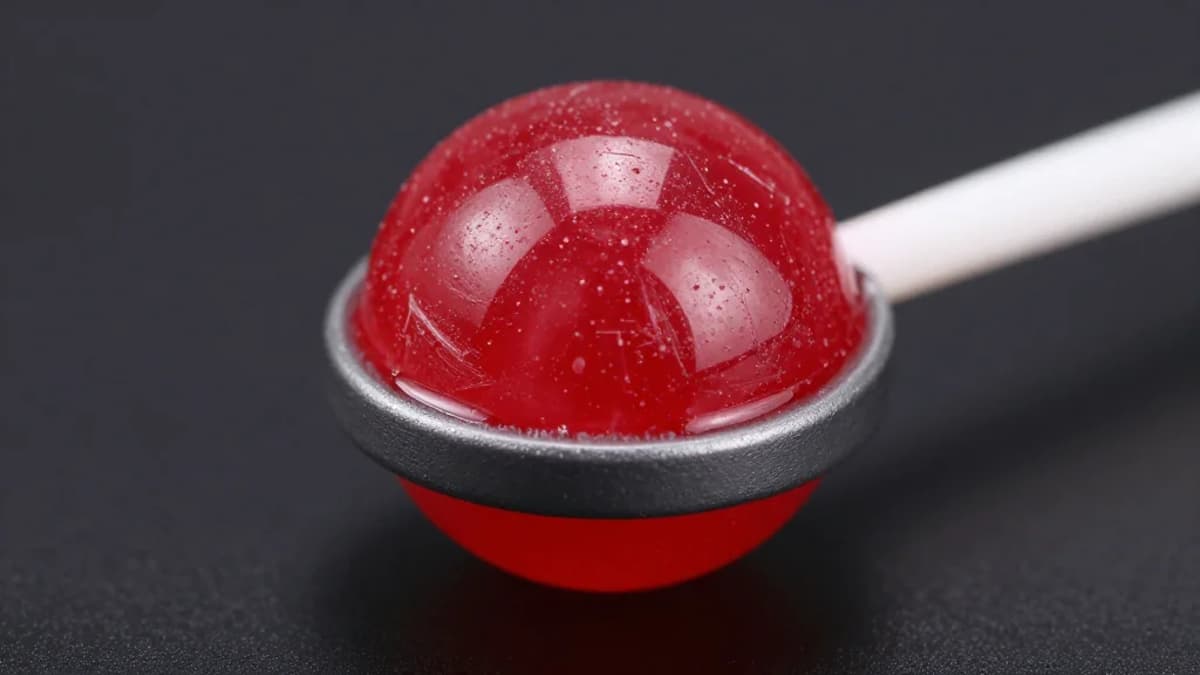
Chupa Chups Wraps up "Hardest to Open Lollipop Yet"
•March 2, 2026
0
Why It Matters
The campaign demonstrates how legacy consumer brands can leverage advanced materials to create viral, experience‑driven marketing, differentiating themselves in a crowded confectionery market. It signals a shift toward tech‑centric storytelling that can attract both media attention and younger, tech‑savvy audiences.
Key Takeaways
- •BBH created lollipop with carbon composite shell.
- •Shell coated in silicon carbide for extreme hardness.
- •Aramid fibre wrap adds tensile strength.
- •Liquid rubber dip seals and protects.
- •Campaign showcases Chupa Chups' tech‑forward branding.
Pulse Analysis
The "hardest to open" lollipop is more than a gimmick; it reflects a growing trend where marketers employ cutting‑edge engineering to craft memorable brand experiences. By integrating carbon‑composite structures—normally reserved for aerospace—and silicon carbide, a material known for its abrasion resistance, BBH turned a candy into a conversation starter. This approach taps into consumer curiosity about material science, positioning Chupa Chups as an innovator rather than a traditional sweet‑shop player.
From a strategic perspective, the campaign leverages scarcity and challenge, encouraging social sharing as users attempt to break the shell. The use of aramid fibres, the same polymer family as Kevlar, adds a narrative of strength and resilience, aligning the brand with qualities valued in high‑performance industries. The liquid‑rubber coating not only protects the product but also creates a glossy, tactile finish that enhances visual appeal on digital platforms, driving higher engagement rates across Instagram and TikTok.
Industry analysts see this as a blueprint for future brand activations. As consumers increasingly seek experiential content, the fusion of advanced materials with everyday products offers a scalable model for differentiation. Brands can replicate the concept by partnering with material scientists or leveraging 3D‑printing technologies to produce limited‑edition items that spark organic media coverage. Ultimately, the Chupa Chups initiative underscores the commercial potential of marrying product design with storytelling, a tactic that could reshape how consumer goods are marketed in the digital age.
Chupa Chups wraps up "hardest to open lollipop yet"
0
Comments
Want to join the conversation?
Loading comments...