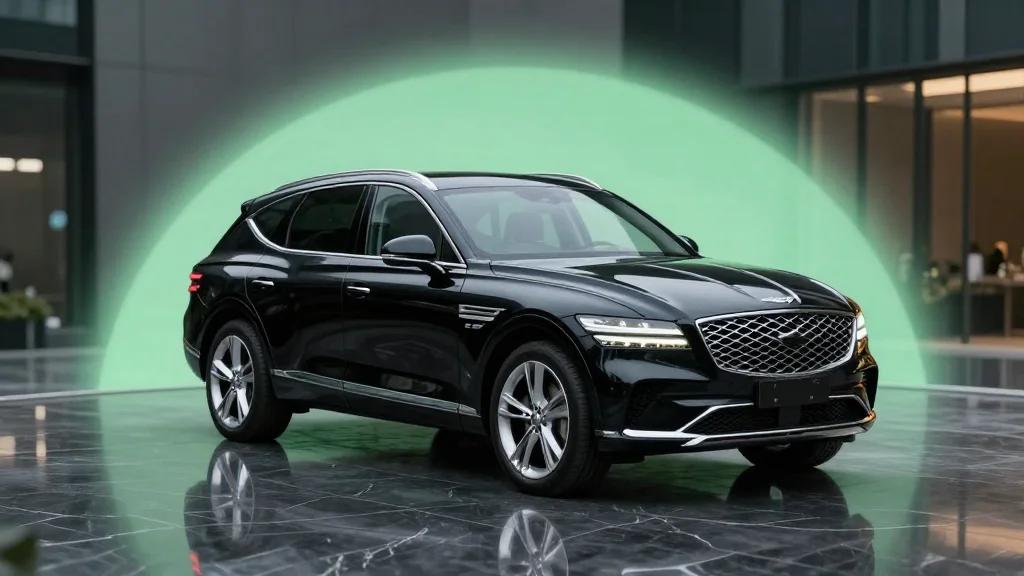
Genesis Shifts to Hybrids in South Korea as EV Sales Slip 24.9% YoY

Companies Mentioned
Why It Matters
Genesis’s hybrid shift illustrates how luxury automakers are re‑engineering their product‑marketing mix in response to localized demand signals. In South Korea, where EV adoption is hampered by charging‑infrastructure gaps, hybrids provide a pragmatic bridge, allowing brands to retain premium positioning while addressing fuel‑efficiency concerns. The move also signals a broader industry trend: manufacturers are no longer treating electrification as a binary choice between pure EVs and internal‑combustion engines. Instead, they are deploying a tiered portfolio that includes hybrids and extended‑range electric vehicles, each with distinct marketing narratives aimed at different consumer segments. For marketers, this diversification demands nuanced messaging, targeted media spend, and new dealer training programs to convey the benefits of each powertrain option.
Key Takeaways
- •Genesis sales in South Korea fell 24.9% YoY to 32,927 units (Jan‑Apr 2026).
- •Hybrids captured 30.3% of Korean auto sales last year, up from 149,489 units in 2021 to 415,921 units.
- •Hybrid GV80 to launch in H2 2026; G80 and GV70 hybrids to follow.
- •Genesis will emphasize rear‑wheel‑drive luxury hybrids to compete with BMW and Mercedes‑Benz.
- •Extended‑range GV70 concept promises >1,000 km (621 miles) on a full charge and tank.
Pulse Analysis
Genesis’s decision to prioritize hybrids in South Korea is a textbook case of market‑driven product realignment. The brand’s luxury positioning hinges on delivering cutting‑edge technology, yet the local market’s EV uptake has lagged behind expectations due to insufficient charging infrastructure and lingering range anxiety. By introducing rear‑wheel‑drive hybrids, Genesis can preserve its premium image while offering a tangible solution to Korean consumers’ practical concerns. This hybrid narrative also allows the brand to tap into the 30% hybrid market share, a segment that has grown threefold in five years, indicating strong consumer appetite for fuel‑efficient luxury.
From a competitive standpoint, Genesis is moving into a space traditionally dominated by European marques. BMW’s iHybrid and Mercedes‑Benz’s EQ Powerline have set benchmarks for performance‑oriented hybrids. Genesis’s advantage lies in its deep integration with Hyundai’s powertrain engineering, potentially delivering comparable performance at a lower cost base. Marketing teams will need to craft messaging that emphasizes both performance and sustainability, leveraging data points such as the 1,000 km range of the upcoming EREV GV70 to differentiate from rivals.
Looking ahead, the success of Genesis’s hybrid rollout will depend on execution across three fronts: product readiness, dealer enablement, and consumer communication. If the brand can synchronize these elements, it could not only arrest its sales decline but also set a precedent for other luxury brands facing similar market frictions. Conversely, a misstep—such as under‑delivering on performance expectations or failing to educate dealers—could reinforce the perception that hybrids are a compromise, eroding the premium cachet Genesis has cultivated.
Genesis Shifts to Hybrids in South Korea as EV Sales Slip 24.9% YoY
Comments
Want to join the conversation?
Loading comments...