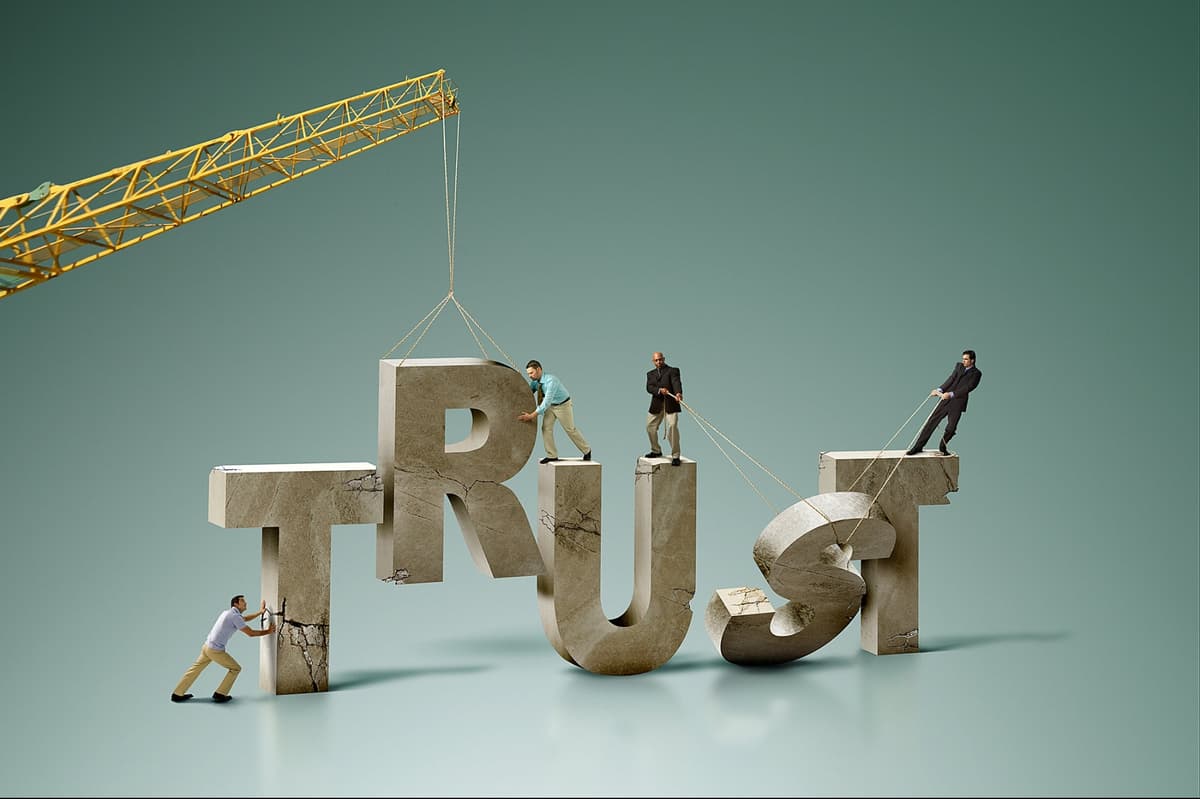
How to Rebuild Brand Trust After a PR Crisis
Why It Matters
In a social‑media‑driven market, brand trust directly influences revenue and market share, making its recovery a strategic imperative. Companies that master transparent crisis handling can preserve customer loyalty and avoid costly fallout.
Key Takeaways
- •Authentic, specific apologies beat vague, defensive statements
- •Consistent post‑crisis actions prove commitment, not one‑off posts
- •Timing a comeback avoids voids and premature exposure
- •Rebuilding trust requires aligning words with repeated behavior
Pulse Analysis
Brand trust has evolved from a nice‑to‑have attribute into the core metric that investors, partners, and consumers gauge before any transaction. As the Edelman Trust Barometer shows, companies with high trust scores consistently outperform peers on revenue growth and stock performance. This shift reflects a broader economic transition where transparency, accountability, and narrative authenticity outweigh traditional levers such as price or product features. Executives therefore need to treat trust as a balance‑sheet asset, monitoring it through sentiment analytics and integrating it into risk‑management frameworks.
When a crisis erupts, the first tactical move is an authentic acknowledgment that names the issue, accepts responsibility, and signals understanding of stakeholder concerns. Vague apologies trigger skepticism, while precise language demonstrates respect for the audience’s intelligence. Following acknowledgment, brands must launch a series of consistent actions—pausing questionable partnerships, engaging directly with affected communities, and publicly sharing remediation milestones. These behaviors create a verifiable track record that reassures the market that the apology is not merely performative. Finally, a well‑paced reentry, whether through targeted media interviews or strategic product announcements, ensures the brand reappears with reinforced credibility rather than a vacuum that competitors can fill.
Long‑term, rebuilding trust is not a one‑time project but an ongoing discipline. Companies should embed trust metrics into quarterly reviews, linking them to executive compensation to incentivize sustained authenticity. Emerging technologies like AI‑driven sentiment monitoring enable real‑time detection of trust erosion, allowing pre‑emptive communication before a full‑blown crisis. Leaders who institutionalize transparent communication, align actions with brand values, and continuously measure trust will not only survive crises but emerge stronger, turning potential setbacks into competitive advantage.
How to Rebuild Brand Trust After a PR Crisis
Comments
Want to join the conversation?
Loading comments...