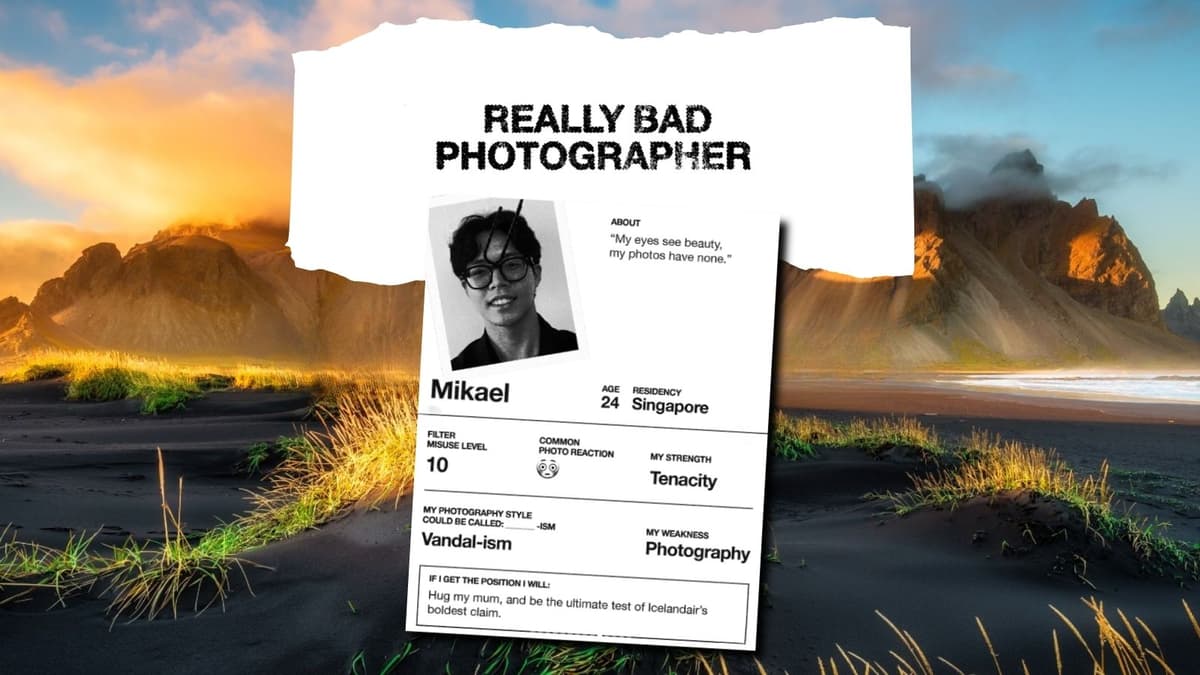
Icelandair Has a Job for Your Friend Who Can't Take Photos
Companies Mentioned
Why It Matters
The campaign shows tourism brands using humor and relatability to break through influencer saturation, potentially driving higher engagement and visitor interest. It also reflects a broader industry move toward participatory storytelling that resonates with Gen Z and millennial travelers.
Key Takeaways
- •127,642 applications show high global interest in quirky travel campaigns
- •Winner receives $50,000 and a fully funded 10‑day Iceland tour
- •Campaign pivots from polished influencer content to everyday traveler authenticity
- •Public voting engages audiences, turning participants into brand ambassadors
Pulse Analysis
Icelandair’s "world’s worst photographer" initiative flips traditional travel marketing on its head by rewarding lack of skill rather than expertise. The airline promised a $50,000 cash prize and a fully covered 10‑day Icelandic adventure, attracting more than 127,000 hopefuls worldwide. By narrowing the field to 13 finalists and inviting public votes, Icelandair turned the selection process into a social media event, generating organic buzz and user‑driven content that can be repurposed across its global campaigns.
The stunt taps into a growing fatigue with highly curated influencer feeds, as travelers increasingly crave authentic, relatable experiences. Brands are shifting toward user‑generated storytelling that feels genuine, leveraging everyday people as brand ambassadors. This approach not only reduces production costs but also expands reach through participants’ own networks, creating a multiplier effect. For tourism marketers, the message is clear: showcasing a destination’s natural allure can succeed without polished aesthetics, as long as the narrative feels inclusive and fun.
Icelandair’s move mirrors other innovative tourism efforts, such as Klook’s creator summit in Southeast Asia and the Singapore Tourism Board’s short‑form video push targeting Gen Z. All three campaigns prioritize experiential engagement and community participation over traditional advertising. If Icelandair’s campaign translates into increased bookings, it could set a benchmark for airlines and destinations seeking cost‑effective, high‑impact marketing. The broader implication is a re‑definition of travel promotion, where authenticity and audience involvement become the primary drivers of brand loyalty and conversion.
Icelandair has a job for your friend who can't take photos
Comments
Want to join the conversation?
Loading comments...