Leapmotor Leverages Stellantis Deal to Accelerate European Market Entry

Companies Mentioned
Why It Matters
The Stellantis‑Leapmotor partnership illustrates how co‑branding and joint manufacturing can serve as a rapid market‑entry strategy for Chinese EV firms in Europe. By leveraging idle European plants, Leapmotor gains a local production badge that mitigates consumer bias against Chinese‑made cars, while Stellantis extracts value from under‑used capacity and strengthens its BEV portfolio. The deal also intensifies competitive pressure on traditional European brands, forcing them to consider similar alliances or risk losing market share to cheaper, locally assembled Chinese models. For marketers, the alliance offers a case study in brand architecture: a Chinese brand adopting the Opel nameplate to gain credibility, while Stellantis benefits from the cost efficiencies of Chinese supply chains. The success of this model could accelerate a wave of similar cross‑border branding arrangements, reshaping how automotive brands position themselves in a market increasingly driven by sustainability, price sensitivity, and rapid product cycles.
Key Takeaways
- •Stellantis deepens joint venture with Leapmotor, adding B10 SUV production at Zaragoza plant (potential start 2026).
- •Villaverde, Madrid plant earmarked for future Leapmotor models, with ownership to shift to LPMI’s Spanish subsidiary.
- •Stellantis holds a 21% stake in Leapmotor, acquired in October 2023, making it the largest shareholder.
- •LPMI delivered 40,000 vehicles last year across 850 sales points in five continents.
- •Industry analysts warn co‑branding could give Chinese EVs a lasting foothold in Europe.
Pulse Analysis
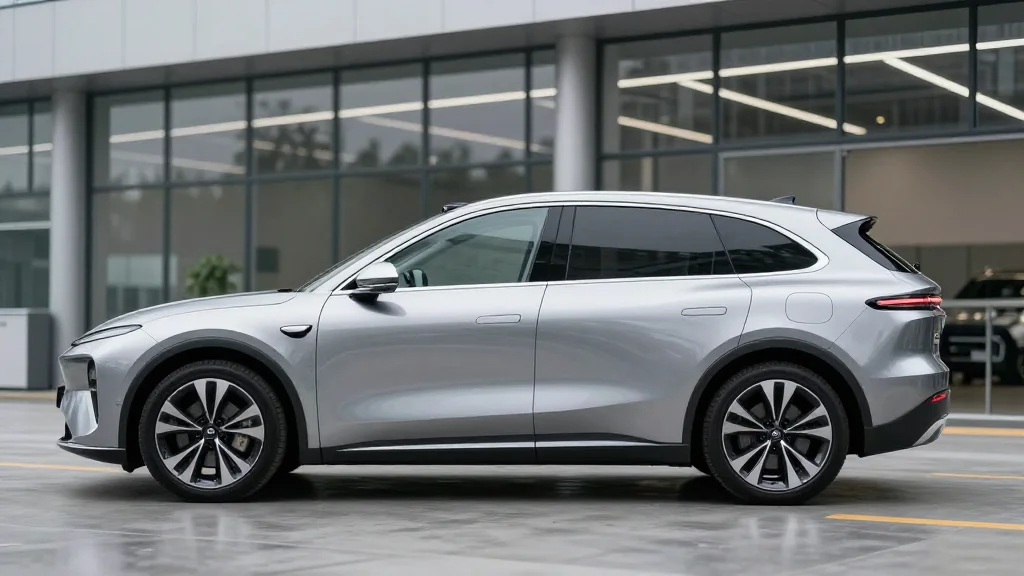
The Stellantis‑Leapmotor alliance marks a strategic pivot from traditional OEM‑supplier relationships toward integrated co‑branding and joint‑manufacturing. Historically, European automakers have guarded their brand equity, but the pressure of excess capacity and sluggish sales has forced a re‑evaluation. By embedding Leapmotor’s B10 SUV within an Opel‑branded production line, Stellantis not only fills idle factory slots but also offers a familiar badge that can soften consumer resistance to Chinese‑origin vehicles. This mirrors the broader trend of legacy brands leveraging the cost and technology advantages of Chinese firms to stay competitive in the fast‑moving EV segment.
From a marketing perspective, the partnership creates a hybrid brand narrative: Leapmotor gains European legitimacy, while Stellantis taps into the rapid innovation cycles and lower price points of Chinese EVs. The joint purchasing initiative further amplifies this advantage, allowing both parties to negotiate better component pricing and mitigate supply‑chain disruptions. However, the approach carries risk—if consumers perceive the co‑branded products as merely re‑badged Chinese cars, brand dilution could erode the perceived premium of Opel and other Stellantis marques.
Looking ahead, the success of this model will likely influence other legacy automakers facing similar capacity constraints. We may see a cascade of similar joint ventures, especially as Chinese EV makers continue to hunt for idle European plants. The key differentiator will be how effectively each partnership balances cost efficiencies with brand integrity, and whether the co‑branded vehicles can deliver a compelling value proposition that resonates with European buyers increasingly focused on sustainability and price.
Leapmotor Leverages Stellantis Deal to Accelerate European Market Entry
Comments
Want to join the conversation?
Loading comments...