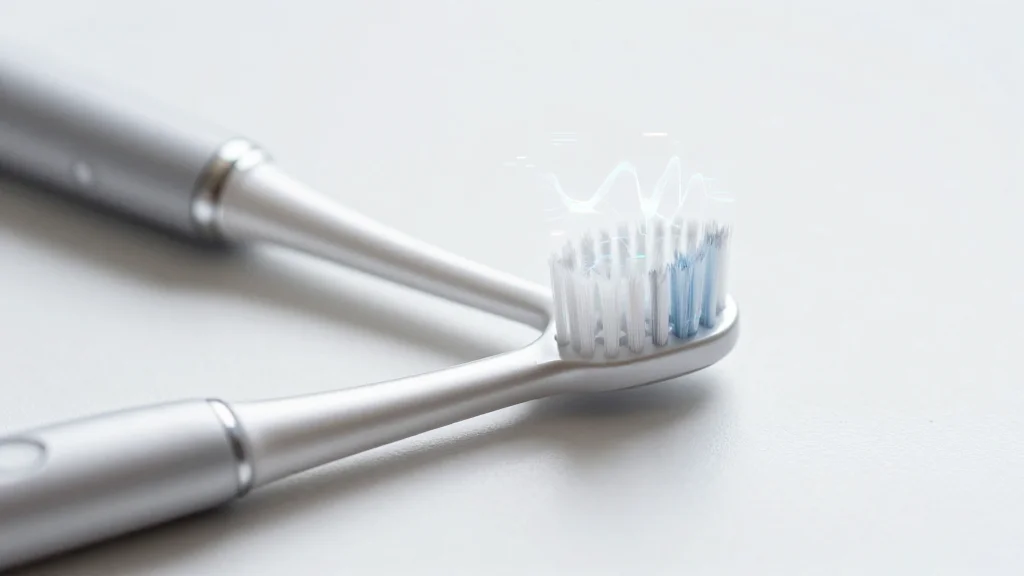
Quip’s Surreal Toothbrush Ad Triggers AI Authenticity Debate

Companies Mentioned
Why It Matters
The Quip ad controversy spotlights a pivotal shift in consumer expectations: authenticity is no longer optional in digital marketing. As AI-generated content proliferates, brands that fail to disclose or clarify their creative methods risk backlash, regulatory scrutiny, and erosion of trust. The incident also signals that practical, behind‑the‑scenes storytelling can be a strategic differentiator, turning potential criticism into a showcase of craftsmanship. For the marketing ecosystem, the episode underscores the urgency of developing industry‑wide standards for AI disclosure and verification. Platforms, agencies, and brands must collaborate to create transparent labeling mechanisms that keep pace with advancing generative technologies. Failure to do so could amplify consumer cynicism and invite stricter legal interventions, reshaping how creative teams approach campaign development.
Key Takeaways
- •Quip’s 15‑second toothbrush ad was made with practical effects, not AI.
- •Social‑media users mistakenly labeled the ad as AI‑generated, prompting a rapid behind‑the‑scenes reveal.
- •CEO Meredith Glansberg emphasized pride in the concept and clarified the brand’s creative process.
- •68% of U.S. consumers frequently question the authenticity of online content, per a recent survey.
- •Industry experts warn that AI‑generated content will become harder to detect, urging clearer disclosures.
Pulse Analysis
Quip’s experience is a microcosm of a larger market inflection point. Historically, brands have leveraged novelty—whether through celebrity endorsements or high‑budget productions—to cut through ad fatigue. Today, the novelty factor is increasingly supplied by AI, which can produce hyper‑realistic visuals at scale. However, the very tools that democratize creativity also sow doubt, as audiences become adept at spotting the tell‑tale signs of synthetic media. Quip’s decision to lean into transparency not only mitigated a potential PR crisis but also positioned the brand as a champion of authentic storytelling, a stance that could translate into higher brand equity among skeptical consumers.
From a competitive standpoint, agencies that embed AI‑audit protocols into their workflow will gain a strategic edge. By documenting the creative pipeline—whether AI‑assisted or fully manual—agencies can provide clients with verifiable proof of authenticity, satisfying both platform policies and consumer expectations. This could spawn a new service line focused on “AI provenance” reporting, akin to current data‑privacy compliance offerings.
Looking forward, the industry is likely to see a bifurcation: brands that fully embrace AI with transparent disclosures, and those that double down on handcrafted, analog techniques to differentiate themselves. The former may benefit from cost efficiencies and rapid iteration, while the latter could capture the premium segment of consumers craving tactile, human‑centric narratives. As regulatory frameworks tighten and AI detection tools improve, the balance of power will tilt toward those who can convincingly prove the origin of their content. Quip’s case suggests that early adopters of transparent practices will not only avoid backlash but may also set the benchmark for the next generation of authentic brand communication.
Quip’s Surreal Toothbrush Ad Triggers AI Authenticity Debate
Comments
Want to join the conversation?
Loading comments...