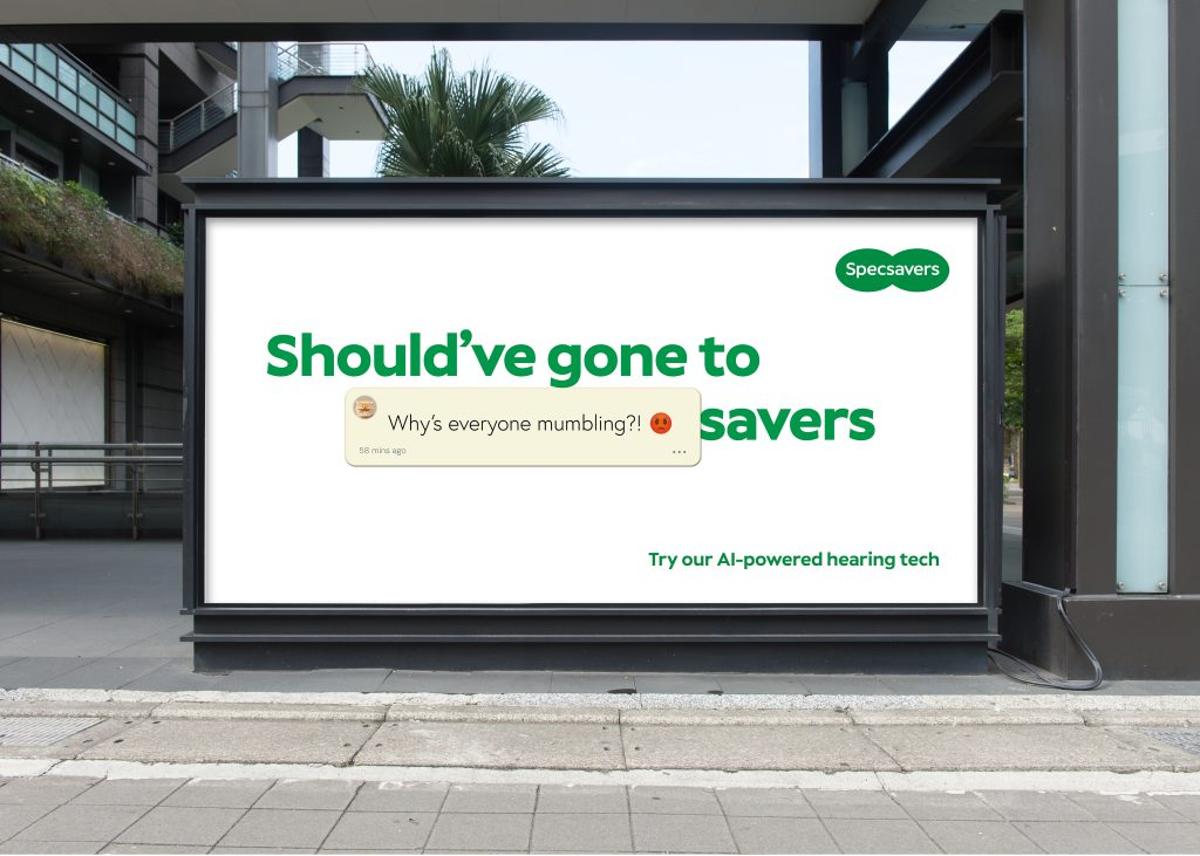
Specsavers Evolves ‘Should’ve Gone to Specsavers’ for First Time in 22 Years
Why It Matters
The evolution expands Specsavers’ value proposition, positioning the retailer as a comprehensive health‑care provider and potentially driving higher adoption of premium services in a competitive optical market.
Key Takeaways
- •New “Should’ve gone to problem Savers” platform expands brand scope
- •Campaign highlights home visits, AI hearing, urgent eye care services
- •TV spot starring Rob Brydon promotes in‑home eye appointments
- •Creative uses everyday problems to showcase clinical expertise
- •Rollout begins UK, across TV, radio, OOH, digital
Pulse Analysis
Specsavers, the UK‑based optician and hearing‑care chain, has refreshed its iconic “Should’ve gone to Specsavers” slogan after 22 years, launching a global brand platform titled “Should’ve gone to problem Savers”. The move reflects a strategic shift from promoting routine eye tests and hearing checks toward emphasizing the retailer’s broader clinical capabilities, such as home‑visit examinations, optical coherence tomography and AI‑driven hearing assessments. By retaining the humor that made the original line a cultural touchstone, the new platform aims to stay relevant for younger, digitally savvy consumers while leveraging decades of brand equity.
The first wave of creative assets rolls out across television, cinema, radio, out‑of‑home, print and digital in the United Kingdom. A TV spot narrated by comedian Rob Brydon showcases a home‑visit optician arriving at the Wren household, illustrating Specsavers’ promise to bring expert eye care to customers unable to travel. Parallel executions label everyday issues as “journey savers”, “gammy eye savers” and “Dad’s dodgy eye savers”, linking each problem to a specific service—urgent eye appointments, in‑store treatment of eye conditions, and AI‑enhanced hearing solutions. The campaign’s multi‑channel reach ensures the message penetrates both traditional and online audiences.
Industry analysts see the refresh as a signal that optical retailers must evolve beyond price‑driven competition and highlight differentiated health services. By foregrounding home visits and advanced diagnostics, Specsavers positions itself as a convenient, technology‑enabled health partner, potentially attracting time‑pressed consumers and those wary of clinic visits post‑pandemic. Competitors may feel pressure to expand their service portfolios or invest in similar omnichannel storytelling. If the “problem Savers” narrative resonates, it could drive higher footfall to specialist clinics, increase uptake of premium services, and reinforce Specsavers’ market leadership in the UK eye‑and‑ear care sector.
Specsavers evolves ‘Should’ve gone to Specsavers’ for first time in 22 years
Comments
Want to join the conversation?
Loading comments...