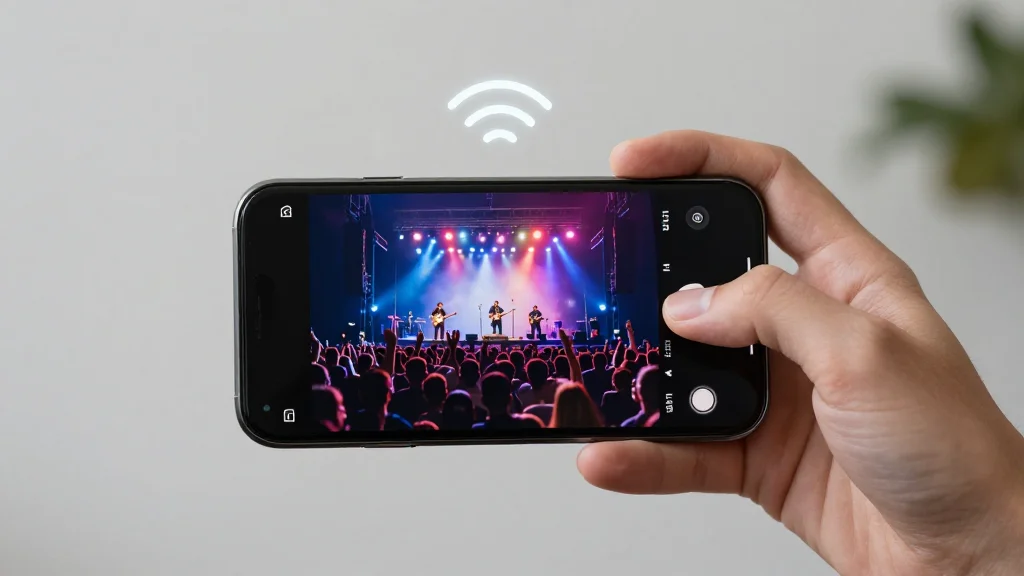
Spotify Targets Live Concert Streams to Revive Ad Revenue, Takes On YouTube

Companies Mentioned
Why It Matters
Spotify’s foray into live concert streaming reflects a broader industry trend where audio platforms are diversifying into video to capture higher‑margin ad dollars. By adding a premium video tier, Spotify can offer advertisers a more immersive brand experience, potentially raising CPMs and offsetting recent declines in audio‑only ad spend. The move also forces a re‑evaluation of how music rights are monetized, as artists and promoters negotiate new revenue‑share models that blend ticket sales, streaming royalties, and ad revenue. If successful, Spotify could challenge YouTube’s dominance in music video advertising, prompting a shift in where marketers allocate budgets for music‑related campaigns. The initiative may also accelerate the convergence of audio, video, and e‑commerce within a single app, creating a more integrated fan journey from discovery to purchase.
Key Takeaways
- •Spotify plans to stream live concert videos directly in its app, expanding beyond audio‑only content.
- •First‑quarter advertising revenue fell 5% YoY to $443 million, prompting the video push.
- •The service has already tested pre‑recorded concert clips and is negotiating live‑rights with promoters.
- •YouTube remains the dominant platform for live‑music video streams, creating a competitive head‑to‑head.
- •New Reserved ticket‑reservation tool could link streaming to ticket sales, offering advertisers a full‑funnel solution.
Pulse Analysis
Spotify’s decision to add live concert streaming is a calculated response to a tightening ad market. Over the past decade, the platform has leveraged its massive user base to dominate audio advertising, but CPMs have plateaued while YouTube’s video inventory continues to command premium rates. By entering the video space, Spotify is not merely chasing a new revenue stream; it is attempting to create a vertically integrated ecosystem where discovery, live experience, and commerce coexist. This mirrors the strategy of rivals like Apple Music, which introduced exclusive video content to differentiate its service, but Spotify’s scale gives it a distinct advantage.
Historically, music streaming services have struggled to monetize video without cannibalizing audio royalties. Spotify’s approach—pairing live streams with its Reserved ticketing feature—could mitigate that risk by tying video viewership directly to ticket revenue, offering a clear value proposition for artists and promoters. If the platform can secure exclusive rights to marquee festivals, it may carve out a niche that commands higher ad rates, especially from brands seeking to associate with premium live experiences.
Looking forward, the success of Spotify’s live‑streaming venture will depend on three variables: licensing agility, ad pricing strategy, and user experience. Negotiating rights quickly enough to stay ahead of YouTube’s extensive library will be critical. Advertisers will need compelling data to justify higher spend on a platform that historically delivered lower video CPMs. Finally, the app must integrate video without overwhelming its core audio interface, a design challenge that could determine user adoption. Should Spotify navigate these hurdles, it could set a new benchmark for how audio platforms monetize video, prompting a wave of similar experiments across the streaming industry.
Spotify Targets Live Concert Streams to Revive Ad Revenue, Takes On YouTube
Comments
Want to join the conversation?
Loading comments...