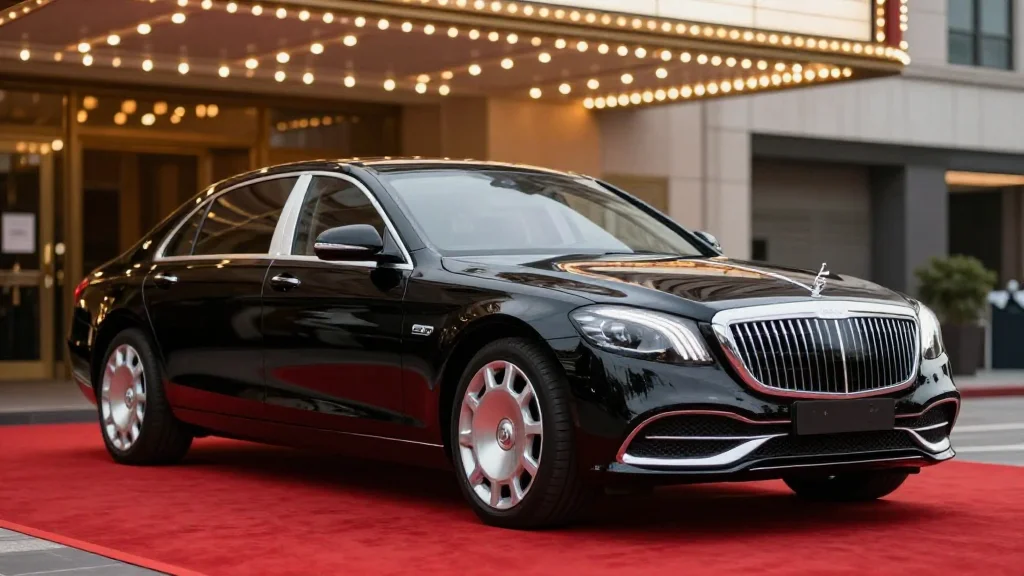
The Devil Wears Prada — and Drives Mercedes
Companies Mentioned
Why It Matters
Automotive product placements now serve as multi‑channel marketing engines, turning cinematic exposure into measurable consumer action. In an era of fragmented viewership, such integrated campaigns can sustain brand relevance and drive revenue beyond box‑office performance.
Key Takeaways
- •Mercedes placed a $300k Maybach in the sequel to boost brand relevance
- •GM used Barbie to launch the 2024 Blazer SS and Hummer EV
- •Three‑quarters of viewers search brands after product placements, half become buyers
- •Automakers now build ecosystems around placements, linking social, talent, and digital experiences
Pulse Analysis
Automakers have turned product placement from a simple screen cameo into a strategic brand‑building platform. Mercedes‑Benz’s decision to feature a $300,000 Maybach in "The Devil Wears Prada 2" was timed with the launch of its latest flagship limo, targeting the film’s original fans who have matured into high‑income consumers. By embedding the vehicle in a narrative that underscores luxury and power, Mercedes creates an aspirational link that resonates far beyond the opening credits, reinforcing its premium positioning in a crowded market.
The trend extends across the industry, with General Motors inserting its 2024 Blazer SS and Hummer EV into the cultural phenomenon "Barbie," while Ford, Aston Martin, Jaguar and Land Rover continue the long‑standing Bond partnership tradition. Even non‑automotive franchises like "Star Wars" and the animated series "GOAT" have welcomed Mercedes as an in‑film sponsor, demonstrating a push to reach younger, streaming‑savvy audiences. These collaborations generate a cascade of ancillary content—behind‑the‑scenes clips, social media challenges, and digital experiences—that amplify the on‑screen moment and keep the brand top‑of‑mind long after the credits roll.
Data underscores the effectiveness of this approach: a recent study cited by Mercedes shows 75% of viewers research a brand after seeing a placement, and more than half proceed to purchase. The "Barbie" partnership, for example, delivered tenfold social engagement for GM compared with typical posts. As audience attention fragments, automakers are responding by constructing holistic ecosystems around each placement, blending traditional advertising with influencer tie‑ins, AR test‑drives, and e‑commerce integrations. This evolution ensures that product placements remain a resilient, unskippable channel that drives both brand affinity and bottom‑line growth.
The Devil Wears Prada — and Drives Mercedes
Comments
Want to join the conversation?
Loading comments...