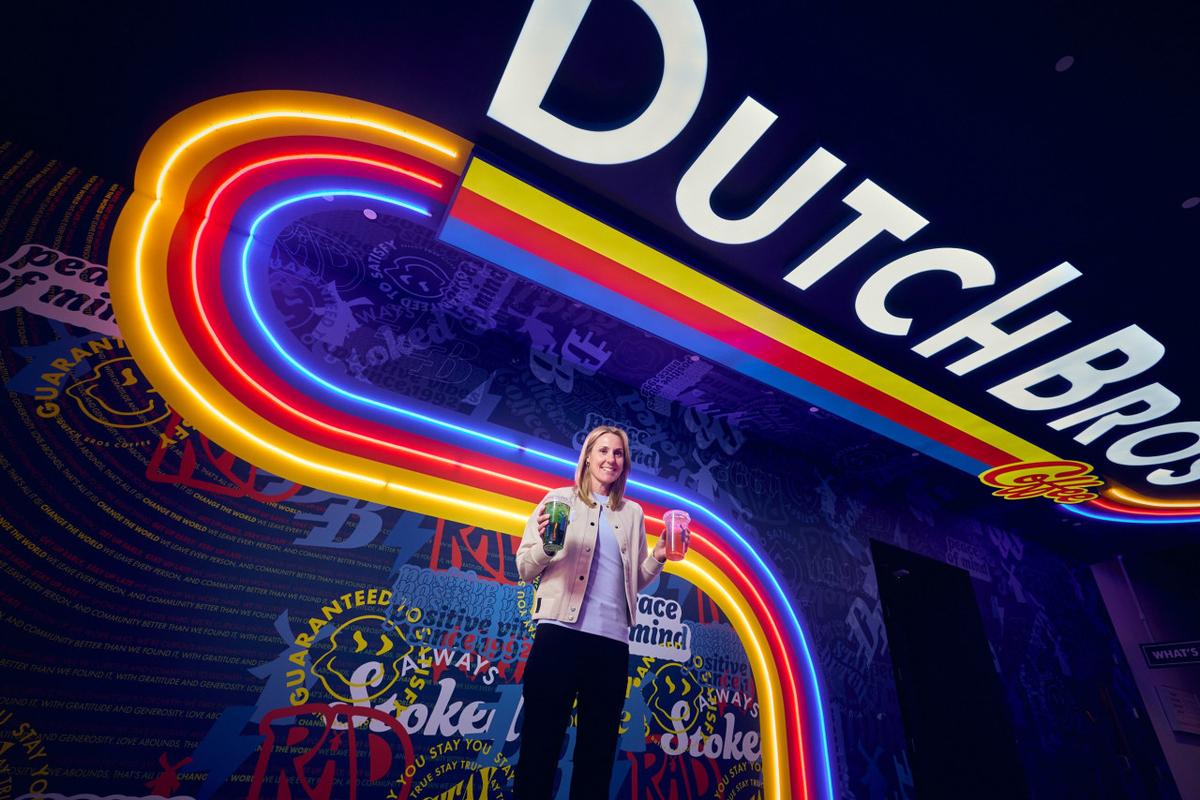
The Third-Largest Coffee Chain in the U.S. Actually Sells Very Little Hot Coffee
•March 1, 2026
0
Companies Mentioned


Why It Matters
Dutch Bros’ cold‑beverage strategy is pulling younger shoppers from traditional coffee chains, signaling a shift in consumer preferences that could redefine the U.S. coffee market.
Key Takeaways
- •Dutch Bros ranks third in U.S. coffee sales.
- •90% of its drinks are cold, not hot.
- •Gen Z drives demand for customizable energy drinks.
- •Focus on cold beverages erodes Starbucks market share.
- •Sugar‑rich drinks like Shark Attack Rebel attract younger customers.
Pulse Analysis
Dutch Bros’ rapid ascent illustrates how a niche focus can disrupt entrenched players. While Starbucks and Dunkin’ dominate with classic hot coffee, Dutch Bros leverages a menu built around cold, high‑energy drinks that resonate with Gen Z’s desire for personalization and instant gratification. By offering a rotating palette of flavors and a DIY approach, the chain creates a social‑media‑friendly experience that drives foot traffic and repeat visits, especially in college towns and urban hubs where younger demographics congregate.
The shift toward cold beverages reflects broader trends in the beverage industry, where consumers increasingly favor convenience, novelty, and lower perceived caffeine jitters. Dutch Bros’ 90% cold‑drink mix aligns with data showing that millennials and Gen Z prefer iced coffees, teas, and energy‑infused concoctions over traditional hot brews. This preference also dovetails with the rise of on‑the‑go consumption, as customers seek portable, Instagram‑ready drinks that can be customized to taste, dietary needs, or even mood.
For investors and competitors, Dutch Bros’ model underscores the importance of product differentiation and agile branding. The chain’s aggressive expansion—now over a thousand locations—demonstrates that a focused menu can scale without diluting brand identity. As Starbucks confronts declining foot traffic among younger patrons, it may need to accelerate its own cold‑drink innovations or acquire niche players to retain market share. Dutch Bros’ success thus serves as a bellwether for the evolving coffee landscape, where cold, customizable, and socially shareable beverages are becoming the new standard.
The Third-Largest Coffee Chain in the U.S. Actually Sells Very Little Hot Coffee
0
Comments
Want to join the conversation?
Loading comments...