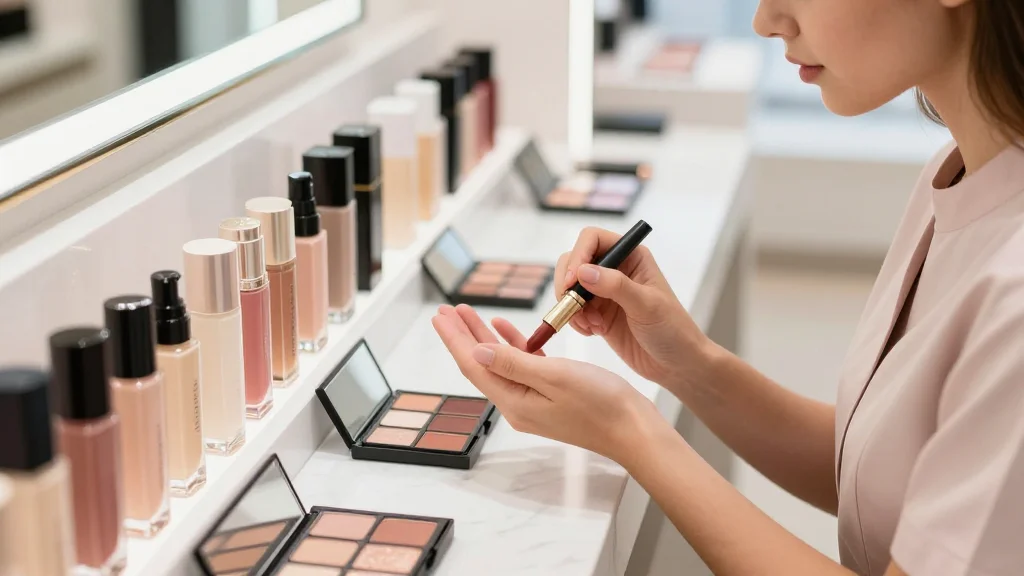
Walmart Rolls Out In‑store Beauty Advisors to Challenge Target's Ulta Partnership

Companies Mentioned
Why It Matters
Walmart’s aggressive expansion of in‑store beauty advisors marks a rare strategic pivot for a retailer known for its low‑price, no‑frills model. By investing in personalized service, Walmart aims to capture higher‑margin sales and deepen customer loyalty, potentially reshaping how mass‑market retailers compete in the beauty space. The move also intensifies the rivalry with Target, which is simultaneously launching its own beauty studios, suggesting a broader industry shift toward experiential retail to counter online competition. If successful, Walmart’s model could set a template for other big‑box chains to embed expertise in categories beyond beauty, leveraging human interaction to drive sales of premium products and to differentiate physical stores from purely digital experiences.
Key Takeaways
- •Walmart will have beauty advisors in >400 stores by year‑end, up from 22 pilot locations.
- •The rollout coincides with a $129 billion U.S. beauty market and a front‑of‑store remodel of 650 locations.
- •Vinima Shekhar emphasized Walmart’s unique blend of breadth, convenience and personalized service.
- •Target is launching its own Target Beauty Studio in 600 stores, replacing Ulta partnerships.
- •Walmart may extend the advisor model to other categories, such as electronics, per VP Whitney Hunt.
Pulse Analysis
Walmart’s decision to staff beauty aisles with trained advisors reflects a calculated bet that the high‑margin beauty segment can be unlocked through service differentiation. Historically, Walmart has relied on price leadership; this pivot suggests the company sees diminishing returns from pure discounting in a market where consumers are willing to pay a premium for expertise and curated experiences. By integrating advisors with a refreshed store layout and premium brand mix, Walmart can increase basket size and capture a share of the $129 billion market that has been dominated by specialty retailers.
The competitive dynamic with Target is especially noteworthy. Target’s partnership with Ulta gave it instant credibility in the beauty space, but the partnership’s imminent end forces Target to develop its own in‑store expertise. Walmart’s early move to build an internal advisory team could give it a first‑mover advantage, especially if the advisors prove effective at driving sales of higher‑priced SKUs. Moreover, Walmart’s scale allows it to negotiate favorable terms with premium brands, potentially offering consumers a broader assortment at comparable price points to specialty stores.
Looking ahead, the success of Walmart’s beauty refresh will hinge on execution. Training, staffing levels, and the ability to translate advice into sales are critical. If Walmart can demonstrate measurable lift in average transaction value and loyalty‑program engagement, other mass retailers may replicate the model across categories, ushering in a new era where human expertise becomes a core competitive lever in an increasingly digital retail landscape.
Walmart rolls out in‑store beauty advisors to challenge Target's Ulta partnership
Comments
Want to join the conversation?
Loading comments...