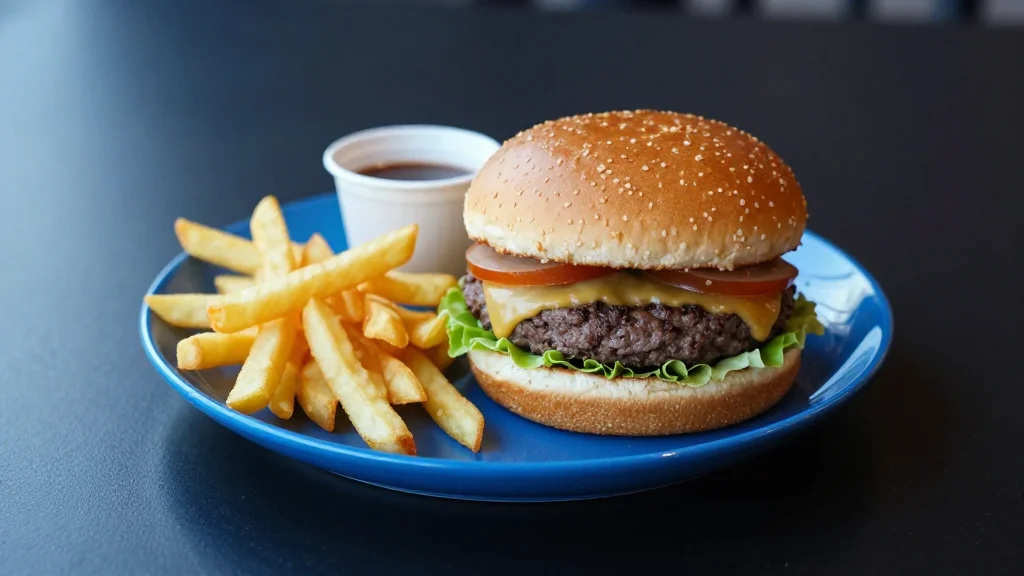
Wendy’s Rolls Out Blue‑Themed ‘Future Fresh’ Restaurants to Boost Global Growth

Companies Mentioned

Taco Bell
Burger King
Why It Matters
The brand refresh signals Wendy’s intent to modernize its image at a time when fast‑food chains are battling both cost pressures and shifting consumer expectations. By adopting a blue color scheme and a digital‑first layout, Wendy’s aims to differentiate itself in crowded international markets, potentially unlocking new growth avenues that could offset domestic profit declines. The initiative also tests whether a visual overhaul can translate into measurable traffic gains, a question that will inform future redesigns across the sector. If the ‘Future Fresh’ concept proves successful, it could set a precedent for other legacy brands to reconsider entrenched visual identities in favor of more contemporary, technology‑centric experiences. Conversely, a lukewarm response would reinforce the risk of altering iconic brand elements that have long resonated with consumers.
Key Takeaways
- •Wendy’s debuted a blue‑themed ‘Future Fresh’ design at 100 Philippine locations.
- •Interim CEO Ken Cook said the redesign aims to expand growth in overseas markets.
- •First‑quarter profit fell to $22.7 million from $39.2 million a year earlier.
- •The chain continues its U.S. Biggie Deals promotion with meals priced at $4, $6 and $8.
- •No U.S. rollout date was provided; the company is monitoring international performance.
Pulse Analysis
Wendy’s decision to overhaul its visual identity reflects a broader industry shift where brand heritage is being weighed against the need for relevance in a digital age. Historically, fast‑food giants have relied on consistent color schemes—McDonald’s golden arches, Burger King’s red and yellow—to cement brand recall. By moving to blue, Wendy’s is betting that the association with trust and modernity will outweigh any potential dilution of its long‑standing red identity. The pilot in the Philippines serves as a low‑risk test market, offering data on foot traffic, average ticket size, and digital order adoption that can inform a global rollout strategy.
From a competitive standpoint, the redesign could help Wendy’s carve out a niche among value‑focused chains that are also investing heavily in technology. The continued emphasis on Biggie Deals underscores a dual‑track approach: modernizing the brand experience abroad while maintaining price competitiveness at home. If the blue‑themed restaurants drive higher average spend or improve order efficiency, Wendy’s may accelerate a U.S. rollout, potentially reshaping the visual landscape of American fast food. However, the profit dip highlighted in the earnings call reminds investors that cost pressures remain a headwind; any redesign must deliver tangible returns to justify the investment.
Looking ahead, the success of ‘Future Fresh’ will likely hinge on how well Wendy’s integrates the new aesthetic with menu innovation and localized marketing. Should the concept resonate, it could trigger a wave of rebranding across the sector, prompting rivals to explore color palette shifts or other bold visual changes to stay competitive in an increasingly experience‑driven market.
Wendy’s Rolls Out Blue‑Themed ‘Future Fresh’ Restaurants to Boost Global Growth
Comments
Want to join the conversation?
Loading comments...