Why It Matters
Without a strategy layer, agencies miss critical consumer insights, limiting campaign effectiveness and ROI. Integrating experiential data into strategic planning can differentiate brands in an increasingly experience‑driven market.
Key Takeaways
- •Experiential campaigns generate real‑time consumer insights for strategic planning
- •Agencies often silo experiential work as production, not strategy
- •Absence of strategy teams hampers cohesive brand storytelling
- •Integrating experience data boosts ROI and creative relevance
Pulse Analysis
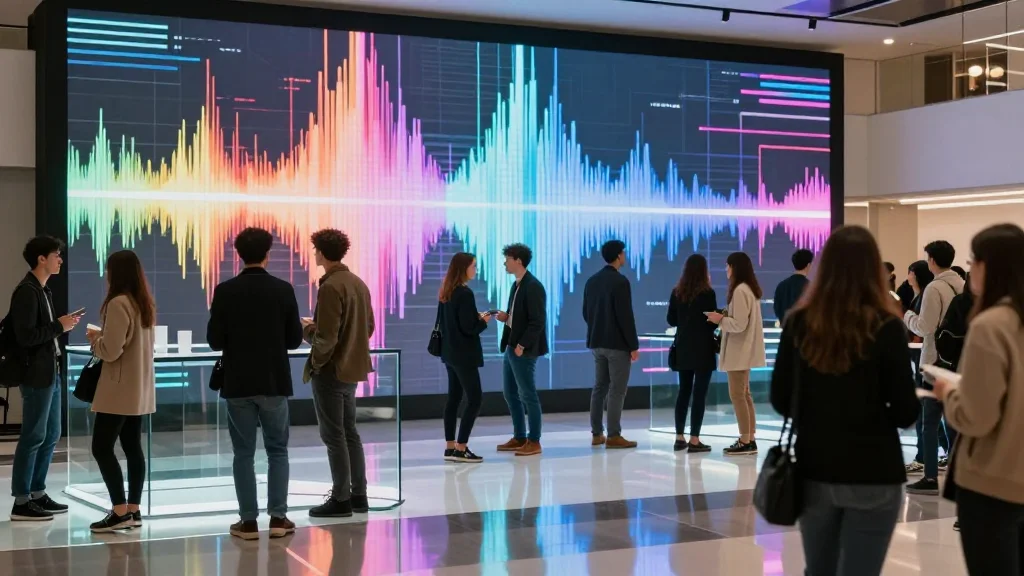
Experiential marketing has evolved from a one‑off stunt to a continuous feedback loop that captures authentic consumer behavior. Brands that embed live event data—such as foot traffic patterns, sentiment analysis, and purchase intent—into their strategic frameworks can identify emerging trends faster than competitors. This shift transforms memorable moments into a measurable asset, feeding product development, media planning, and audience segmentation with granular, actionable intelligence.
Despite its potential, many agencies still organize experiential work under production or events teams, leaving strategy to separate departments that rarely interact with on‑ground insights. The result is a fragmented view of the customer journey, where creative concepts are executed without the context needed to refine messaging or allocate spend efficiently. This siloed approach also limits career pathways for strategists who could bridge the gap between experience design and brand direction, ultimately reducing the agency’s ability to sell data‑driven solutions to clients.
Forward‑looking agencies are restructuring to embed strategists within experiential squads, turning every activation into a data‑rich research opportunity. By leveraging tools like real‑time analytics dashboards, QR‑code tracking, and post‑event surveys, they translate emotional engagement into quantifiable metrics that inform broader marketing plans. This integrated model not only improves campaign ROI but also positions agencies as strategic partners rather than mere production houses, a distinction that increasingly matters to brands seeking holistic, insight‑led growth.
Why my agency doesn’t have a strategy department
Comments
Want to join the conversation?
Loading comments...