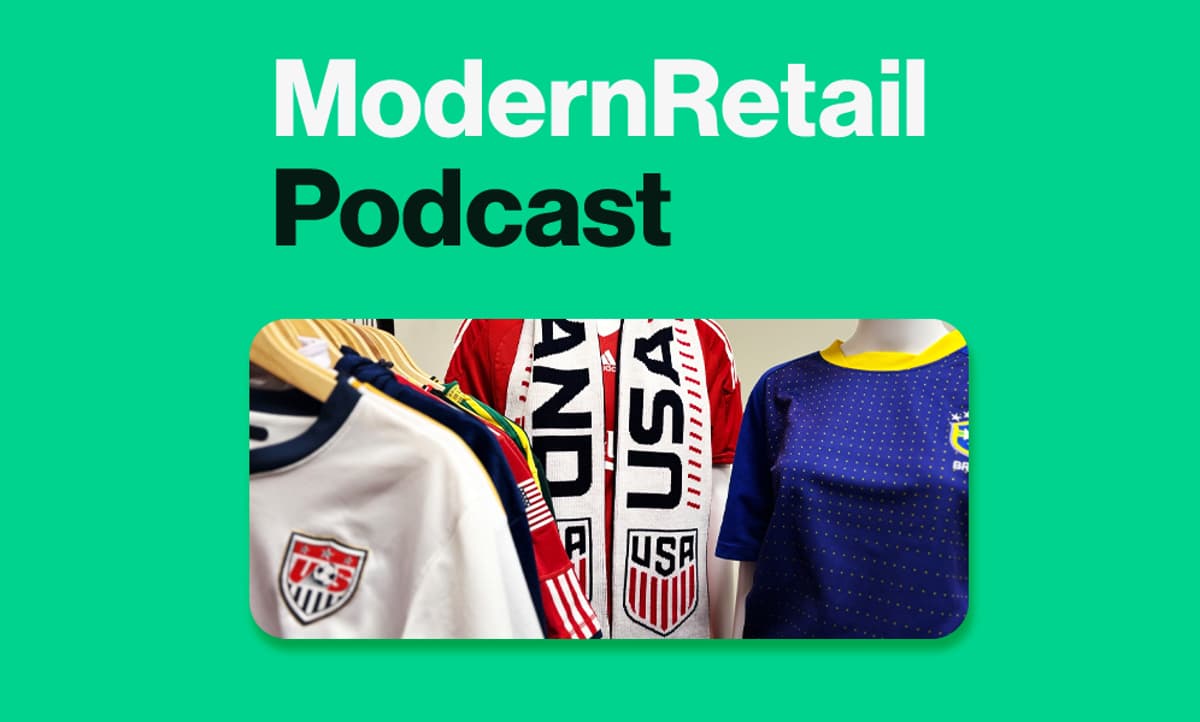
Why the World Cup Is a Make or Break Moment for Retail This Summer
Why It Matters
The tournament will reveal whether consumers will spend despite cost pressures, shaping retailers' seasonal strategies and advertisers' budget allocations.
Key Takeaways
- •World Cup drives foot traffic to malls and pop‑up venues
- •Retail media networks target advertisers seeking World Cup exposure
- •Rising gas prices pressure consumer discretionary spending
- •Goodwill Seattle leverages nearby matches for thrifting activations
- •Retailers view tournament as test of consumer resilience
Pulse Analysis
The 2026 FIFA World Cup, set to become the most watched sporting event in history, arrives at a pivotal time for the retail sector. Inflationary pressures and higher gasoline prices have already tightened household budgets, prompting retailers to seek any catalyst that can revive foot traffic and lift sales. By aligning promotions with the tournament’s global hype, retailers hope to tap into the emotional pull of sport, converting casual viewers into in‑store shoppers and online browsers.
Across the United States, malls and shopping centers are reimagining their spaces as temporary fan zones, offering large‑screen viewings, themed pop‑up stores, and localized merchandise. Retail media networks are also capitalizing, packaging premium ad inventory that pairs brand messages with live match moments. This convergence of experiential retail and targeted advertising creates a new revenue stream for both property owners and brands eager to capture the attention of a captive audience. The Seattle Goodwill example illustrates how even nonprofit retailers can leverage proximity to match venues, using activations to draw tourists and boost donation rates.
For retailers, the World Cup serves as a real‑time barometer of consumer confidence. Successful campaigns could validate event‑driven marketing spend and encourage deeper integration of experiential elements into everyday strategy. Conversely, muted sales would signal that cost‑of‑living pressures outweigh the draw of sport, prompting a reassessment of seasonal planning. As advertisers watch the ROI closely, the outcomes of this tournament will likely influence how the industry approaches large‑scale events for years to come.
Why the World Cup is a make or break moment for retail this summer
Comments
Want to join the conversation?
Loading comments...