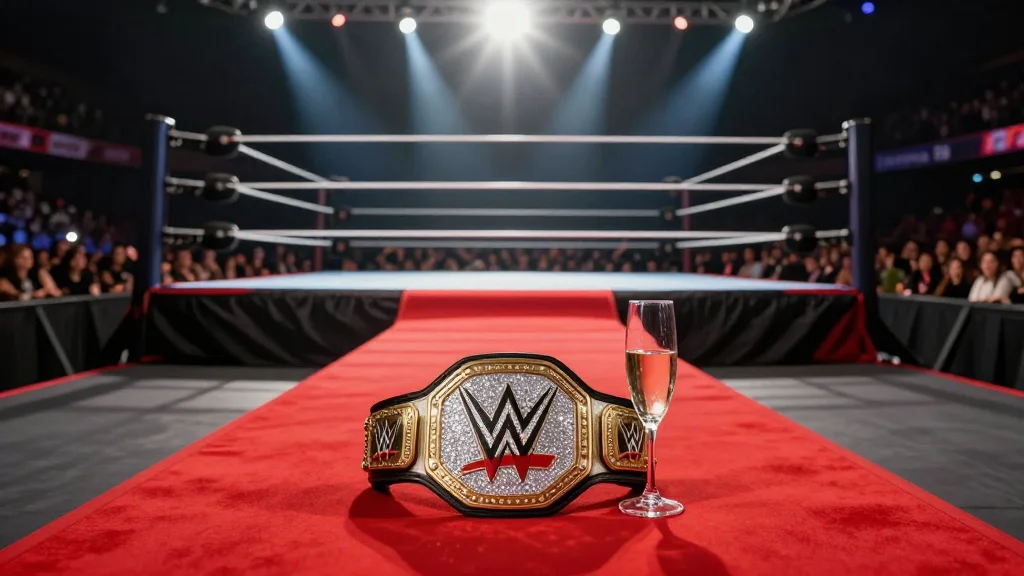
WWE’s Celebrity Push Costs Fans While TKO Defends Strategy


Why It Matters
The WWE’s pivot toward celebrity‑driven content reflects a broader tension in sports entertainment: balancing revenue‑generating partnerships with the preservation of a distinct brand identity. If the model succeeds, it could set a precedent for other niche sports leagues to monetize star power, reshaping how content is packaged for streaming platforms and advertisers. Conversely, a misstep could erode WWE’s loyal subscriber base, prompting a reevaluation of how much external talent can be woven into a historically self‑contained product. The strategy also highlights the financial calculus of modern media companies. By allocating larger budgets to high‑profile talent, TKO is betting that incremental advertising dollars and new subscriber sign‑ups will outweigh the risk of alienating existing fans. The outcome will inform future investment decisions across the industry, especially for entities navigating the fragmented post‑cable landscape.
Key Takeaways
- •WWE’s WrestleMania 42 featured extensive celebrity cameos, including Logan Paul, Pat McAfee, and NBA players.
- •TKO President Mark Shapiro admitted the strategy "spends a lot more money" and may "lose some folks away."
- •Fans criticized the event for feeling like an ad‑heavy showcase rather than a wrestling show.
- •Shapiro defended the approach as essential evolution, comparing it to other sports leagues adapting to new media.
- •The move signals a likely increase in cross‑industry collaborations for future WWE events.
Pulse Analysis
WWE’s celebrity‑centric model is a calculated gamble in a media environment where attention is fragmented and advertisers demand instant impact. Historically, wrestling promotions have thrived on homegrown stars and long‑term story arcs; the shift to external personalities risks diluting that narrative continuity. Yet, the financial upside is compelling: high‑profile guests bring their own audiences, unlock premium ad inventory, and create cross‑promotional synergies with TKO’s other assets like UFC. In the short term, this could boost viewership numbers and attract sponsors eager to tap into the cultural cachet of Hollywood and sports icons.
Long‑term, however, the strategy may backfire if core fans disengage. Wrestling’s most valuable asset is its dedicated fan community, which drives merchandise sales, live‑event attendance, and subscription renewals. A perception that the product is becoming a vehicle for external branding could erode that loyalty, leading to churn that outweighs any incremental ad revenue. Competitors such as All Elite Wrestling (AEW) have deliberately positioned themselves as fan‑first, emphasizing in‑ring talent over celebrity stunts, which could attract disaffected WWE viewers.
The broader implication for the media sector is a cautionary tale about the limits of star power as a growth lever. While celebrity tie‑ins can deliver quick spikes, sustainable success still hinges on authentic content that resonates with a core audience. WWE’s next earnings report will likely reveal whether the celebrity push translates into measurable financial gains or merely inflates the cost base without delivering lasting audience growth.
WWE’s Celebrity Push Costs Fans While TKO Defends Strategy
Comments
Want to join the conversation?
Loading comments...