From Indaba to the Budget: Will Fiscal Policy Unlock Mining-Led Growth?
Why It Matters
Without decisive fiscal support and functional freight corridors, South Africa risks losing mining investment to more reliable global competitors, undermining foreign‑exchange earnings and job creation.
Key Takeaways
- •Mining contributes ~6% of SA GDP, ~R440bn ($23bn) annually
- •2025 mineral sales rose 7.3% despite weak global demand
- •Budget allocates R1tn ($52bn) to infrastructure, R21.9bn ($1.1bn) for rail
- •Logistics funding gap estimated at R65bn ($3.4bn) after years of under‑investment
- •Private‑sector participation and clear PPP contracts essential for bankable projects
Pulse Analysis
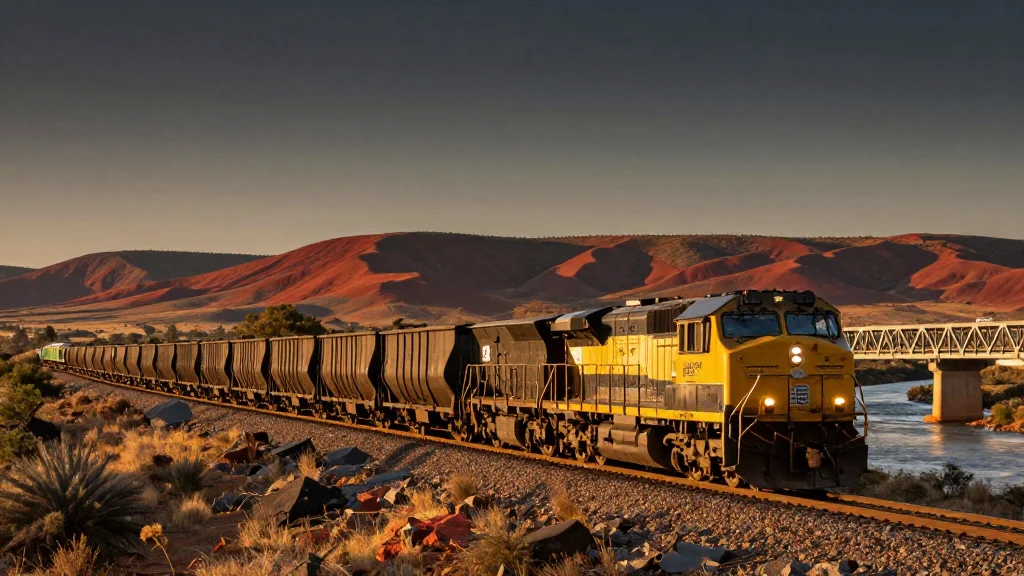
The mining sector remains South Africa’s primary foreign‑exchange earner, yet its growth potential is throttled by unreliable freight corridors. When rail slots are missed on the Richards Bay line, export volumes tumble, the rand weakens, and the government’s fiscal space contracts. Investors watch these logistics failures closely, as they directly affect the profitability of mineral shipments and the country’s ability to meet global demand, especially as tariffs rise and friend‑shoring intensifies.
In the 2026 budget, Finance Minister Godongwana pledged R1 trillion ($52 billion) for infrastructure, with an immediate R21.9 billion ($1.1 billion) injection to fast‑track five rail projects. While the allocation signals political will, it barely scratches the estimated R65 billion ($3.4 billion) logistics funding gap that has accumulated from years of under‑investment at Transnet. The budget also amends PPP regulations and outlines a pipeline of 63 projects, aiming to attract private capital by offering clearer risk‑sharing and performance standards. Successful implementation could lower the sovereign risk premium and free up fiscal space for broader economic growth.
The decisive factor will be the government’s willingness to let private operators manage assets, set prices, and earn returns commensurate with risk. Clear, enforceable contracts—mirroring landlord‑type models in Antwerp‑Bruges and Gulf ports—are essential to make projects bankable and to assure miners that rail and port reliability will improve. If private participation materialises, reduced debt costs and a stable financing environment could revive mining investment, safeguard half‑million jobs, and reinforce South Africa’s position in the global commodities market.
From Indaba to the budget: Will fiscal policy unlock mining-led growth?
Comments
Want to join the conversation?
Loading comments...