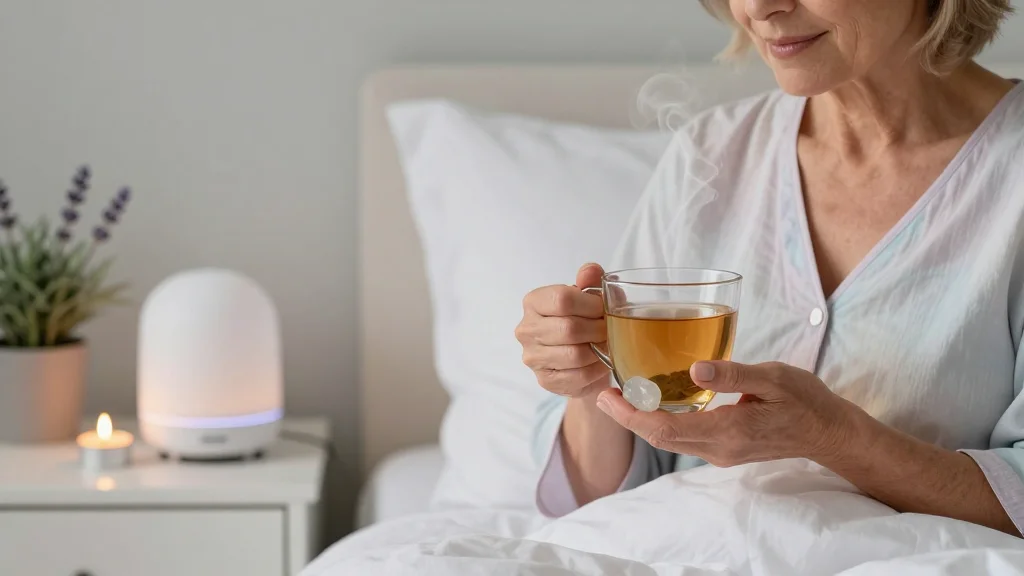
Demi Moore Calls Her Nighttime Routine a "Life‑Changing" Reset for Better Rest and Focus

Why It Matters
Demi Moore’s public endorsement of a structured nighttime routine spotlights a growing recognition that motivation and performance are sustained by consistent, intentional habits across the entire day. By framing evening self‑care as a strategic lever for better sleep and focus, she reinforces emerging scientific consensus that circadian hygiene directly influences cognitive function, emotional regulation, and long‑term health outcomes. This narrative may accelerate consumer adoption of products and services designed to support night‑time rituals, from sleep‑tracking wearables to mindfulness platforms, reshaping the wellness market. Moreover, Moore’s emphasis on choice and self‑compassion resonates with contemporary motivation theory, which stresses autonomy and intrinsic goals over external pressures. As more high‑profile individuals articulate similar philosophies, the cultural script around aging, productivity, and well‑being could shift toward a more holistic, life‑stage‑agnostic model, encouraging individuals of all ages to prioritize intentional rest as a cornerstone of personal and professional success.
Key Takeaways
- •Demi Moore, 63, describes her evening routine as "life‑changing" for rest and focus.
- •She combines meditation, journaling, movement, hydration and targeted skin care each night.
- •Moore frames the routine as a "reset" and a conscious choice, aligning with autonomy‑based motivation theory.
- •Her comments reflect a broader trend of celebrities promoting structured night‑time habits for longevity.
- •Industry analysts expect increased demand for sleep‑enhancing products and mindfulness apps following such high‑profile endorsements.
Pulse Analysis
Moore’s disclosure arrives at a pivotal moment when the wellness industry is pivoting from daytime productivity hacks to a more balanced, 24‑hour approach to performance. Historically, motivation literature emphasized morning rituals—think “miracle morning” routines—as the primary catalyst for daily success. Recent sleep science, however, has illuminated the restorative power of the night, showing that quality rest can amplify learning, decision‑making and emotional resilience. Moore’s narrative bridges these two worlds, suggesting that the most effective motivational strategies are those that integrate both proactive (morning) and restorative (evening) practices.
From a market perspective, the actress’s endorsement could act as a catalyst for niche segments within the broader wellness ecosystem. Brands that have traditionally marketed anti‑aging skin care are now expanding into sleep‑supportive formulations, leveraging the same consumer desire for longevity. Simultaneously, digital platforms offering guided meditations and journaling tools are tailoring content for pre‑sleep consumption, recognizing that the brain’s receptivity to habit formation peaks during wind‑down periods. If Moore partners with any of these categories, we may see a measurable uptick in cross‑category sales, similar to the “celebrity effect” observed when high‑profile figures champion specific health products.
Looking ahead, the key question is whether intentional night‑time routines become a mainstream motivational pillar or remain a niche practice among the affluent and celebrity circles. Adoption will likely hinge on the diffusion of accessible, evidence‑based tools that demystify the science of sleep hygiene. As more research validates the link between evening rituals and next‑day performance, we can expect corporate wellness programs to embed “reset” protocols into their employee experience, potentially reshaping how organizations think about productivity—not just as a function of hours worked, but as a holistic cycle of activation and recovery.
Demi Moore Calls Her Nighttime Routine a "Life‑Changing" Reset for Better Rest and Focus
Comments
Want to join the conversation?
Loading comments...