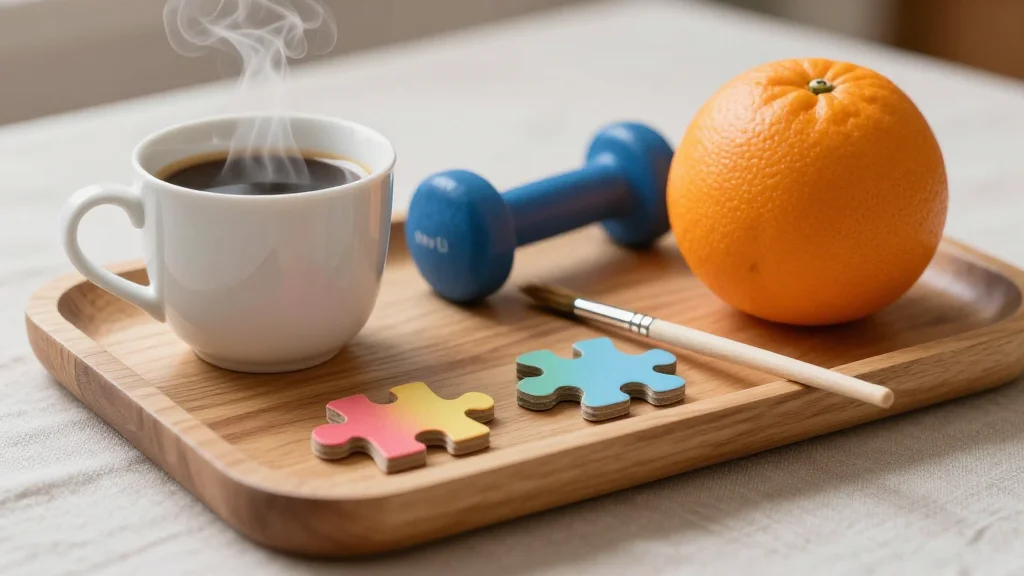
Dopamine Menu Habit Offers Simple Tool to Beat Motivation Slumps

Why It Matters
Motivation slumps are a pervasive barrier to productivity, particularly for neurodivergent individuals whose dopamine regulation differs from neurotypical norms. By offering a low‑cost, self‑directed habit that aligns with known neurochemical pathways, the dopamine menu could democratize access to motivation‑support tools that do not rely on medication alone. If validated, it may reshape how clinicians prescribe behavioral interventions, emphasizing micro‑habits that fit seamlessly into daily routines. Beyond the ADHD community, the concept highlights a broader shift toward habit‑based, neuroscience‑informed self‑help. As more people seek evidence‑backed yet practical strategies, the dopamine menu could inspire similar frameworks for other cognitive challenges, from anxiety to burnout, fostering a more nuanced understanding of how everyday actions influence brain chemistry.
Key Takeaways
- •Jessica McCabe popularised the "dopamine menu" habit in 2020 as a structured way to boost motivation.
- •Dopamine regulates not only pleasure but also task initiation and sustained effort.
- •People with ADHD often have lower baseline dopamine, making motivation slumps more common.
- •The menu categorises activities into "Appetisers," "Meals," "Sides," "Desserts," and "Specials" to provide balanced dopamine spikes.
- •Formal research is still needed to confirm the habit's effectiveness for neurodivergent populations.
Pulse Analysis
The dopamine menu reflects a growing trend of translating neurobiological insights into bite‑size behavioral interventions. Historically, motivation research has oscillated between pharmacological solutions and broad‑stroke lifestyle advice. This habit bridges the gap by offering a granular, user‑customisable toolkit that aligns with dopamine's role in anticipation and reward. Its viral spread on platforms like YouTube suggests that the motivation market is hungry for actionable, science‑adjacent content that feels personal rather than prescriptive.
From a competitive standpoint, the habit competes with both digital distraction tools and traditional productivity systems (e.g., Pomodoro, GTD). Its unique selling point is the explicit framing of each activity as a dopamine lever, which resonates with users who experience neurochemical dysregulation. However, without rigorous data, the habit risks being dismissed as a fad. Investors and health‑tech firms may see an opportunity to embed the menu into apps that track activity, mood, and dopamine‑related biomarkers, turning anecdotal practice into measurable outcomes.
Looking ahead, the key challenge will be moving from community endorsement to scientific validation. Controlled studies could quantify how micro‑activities affect dopamine levels and task initiation metrics, potentially establishing the dopamine menu as a low‑risk adjunct to medication. If such evidence materialises, we could see a new class of habit‑based interventions entering mainstream mental‑health treatment, reshaping how the motivation space addresses neurodiversity.
Dopamine Menu Habit Offers Simple Tool to Beat Motivation Slumps
Comments
Want to join the conversation?
Loading comments...