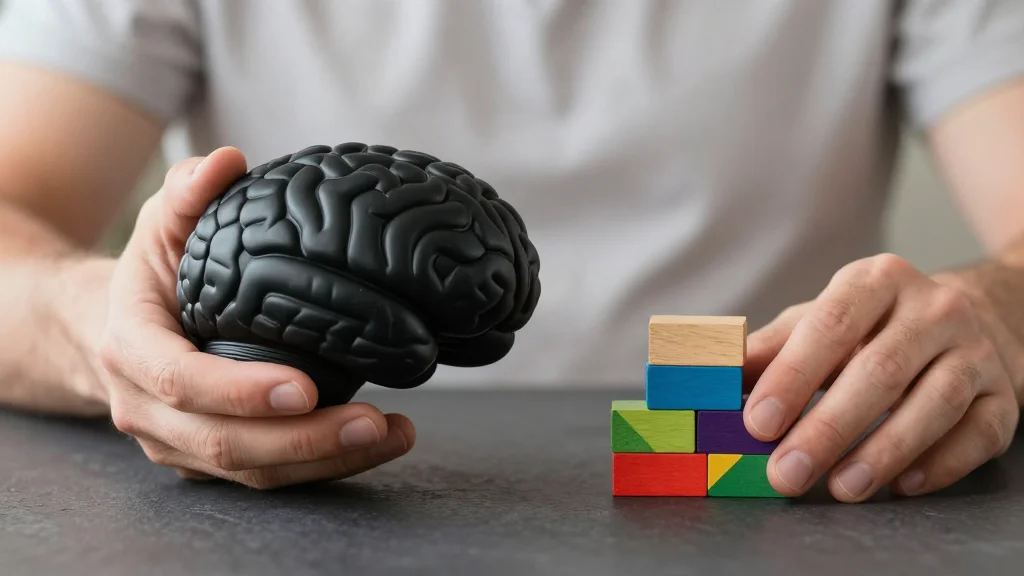
Five Science‑Backed Strategies to Sharpen Memory and Cut Forgetting

Why It Matters
Memory is a foundational pillar of motivation; the ability to retain goals, feedback, and learning directly influences persistence and achievement. By providing actionable, science‑backed habits, the article equips readers with tools to close the gap between intention and execution, fostering sustained focus in both personal and professional contexts. Moreover, as remote work and digital overload increase cognitive demands, simple memory‑enhancing practices become a public‑health lever for mental resilience. The broader relevance extends to education and corporate training, where improved recall can shorten learning curves and reduce the need for repetitive instruction. Organizations that embed these habits into onboarding or continuous‑learning programs may see higher knowledge retention, lower training costs, and a more adaptable workforce.
Key Takeaways
- •Eliminate nearby smartphones to preserve working‑memory capacity.
- •Chunk information into groups of seven or fewer to match working‑memory limits.
- •Use spaced repetition to strengthen hippocampal consolidation.
- •Pair new data with emotional cues to engage the amygdala.
- •Incorporate brief physical or mindfulness breaks to lower stress hormones.
Pulse Analysis
The five‑step framework reflects a broader shift from high‑tech cognitive enhancers toward low‑cost behavioral interventions. Historically, memory improvement was the domain of mnemonic specialists or pharmacological aids. Today, the convergence of cognitive neuroscience and consumer wellness has democratized the field, allowing everyday users to apply lab‑validated tactics without expensive equipment. This democratization aligns with the motivation industry’s emphasis on habit formation and self‑optimization.
From a market perspective, the article’s emphasis on distraction management dovetails with the rising demand for digital‑wellness tools. Apps that lock phones, block notifications, or gamify spaced‑repetition are experiencing double‑digit growth, suggesting that consumers are already seeking technology that supports the very habits outlined in the guide. Companies that can integrate these evidence‑based practices into seamless user experiences stand to capture a sizable share of the personal‑productivity segment.
Looking forward, the next frontier may involve adaptive learning platforms that tailor repetition intervals based on real‑time performance data, effectively turning the five steps into a personalized algorithm. Until such solutions mature, the article’s low‑barrier recommendations provide a practical roadmap for individuals and organizations eager to boost cognitive stamina and, by extension, motivation.
Five Science‑Backed Strategies to Sharpen Memory and Cut Forgetting
Comments
Want to join the conversation?
Loading comments...