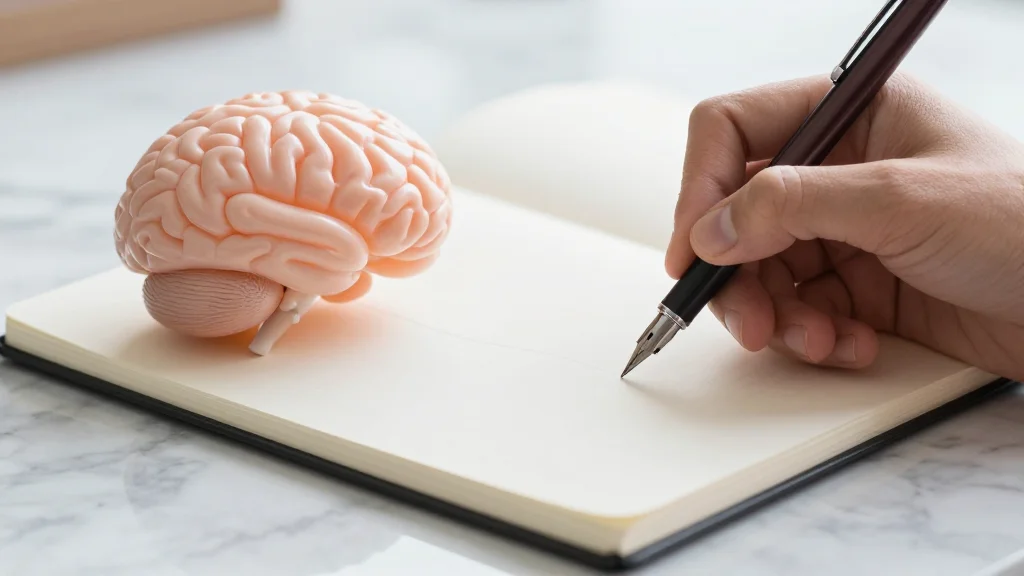
Handwritten To‑Do Lists Show Brain Boost Over Digital Apps, Study Finds

Why It Matters
The research challenges the prevailing assumption that digital speed automatically yields higher productivity. By linking handwriting to broader brain connectivity, the study suggests that the physical act of writing may enhance memory retention and intentional focus—core components of motivation and goal pursuit. For individuals seeking to improve personal effectiveness, the findings provide a concrete, neuroscience‑backed reason to reconsider reliance on instant‑capture apps. On a broader scale, the results could influence how productivity platforms design user experiences. If deeper cognitive processing drives better outcomes, companies may invest in features that encourage slower, more reflective input, potentially reshaping market expectations around speed‑centric tools.
Key Takeaways
- •EEG study of 36 students shows handwritten tasks trigger wider brain connectivity than typing
- •Handwriting engages memory‑related regions, supporting deeper processing of intentions
- •Digital apps offer speed and syncing but may promote cognitive offloading that weakens memory
- •Research builds on earlier work showing handwritten notes improve conceptual recall
- •Findings could push productivity software to incorporate slower, reflective input modes
Pulse Analysis
The NTNU study arrives at a moment when the productivity software market is saturated with apps promising instant capture and AI‑driven task prioritization. Historically, the industry has equated speed with efficiency, a narrative reinforced by the ubiquity of smartphones and cloud syncing. Yet the neuroscience evidence reintroduces a counter‑trend: deliberate, effortful actions may yield higher-quality mental representations. This tension mirrors earlier shifts in education, where the pen‑and‑paper debate resurfaced after digital note‑taking became mainstream.
From a competitive standpoint, the data creates an opening for niche players willing to blend analog benefits with digital convenience. Companies that can simulate the motor feedback of handwriting—through stylus‑enabled devices, haptic keyboards, or AI‑augmented ink—may capture users who value both speed and cognitive depth. Larger incumbents risk losing relevance if they ignore the emerging demand for tools that support slower, reflective workflows, especially among knowledge workers who prioritize deep work over task churn.
Looking ahead, the key question is whether the observed neural differences translate into tangible performance metrics such as higher task completion rates or reduced procrastination. If subsequent longitudinal studies confirm a causal link, we could see a resurgence of hybrid productivity solutions, a re‑valuation of digital minimalism, and perhaps a new metric for app effectiveness that goes beyond click‑through rates to include cognitive engagement. The industry’s response will likely shape the next wave of motivation‑focused technology, balancing the allure of immediacy with the proven power of thoughtful, handwritten planning.
Handwritten To‑Do Lists Show Brain Boost Over Digital Apps, Study Finds
Comments
Want to join the conversation?
Loading comments...