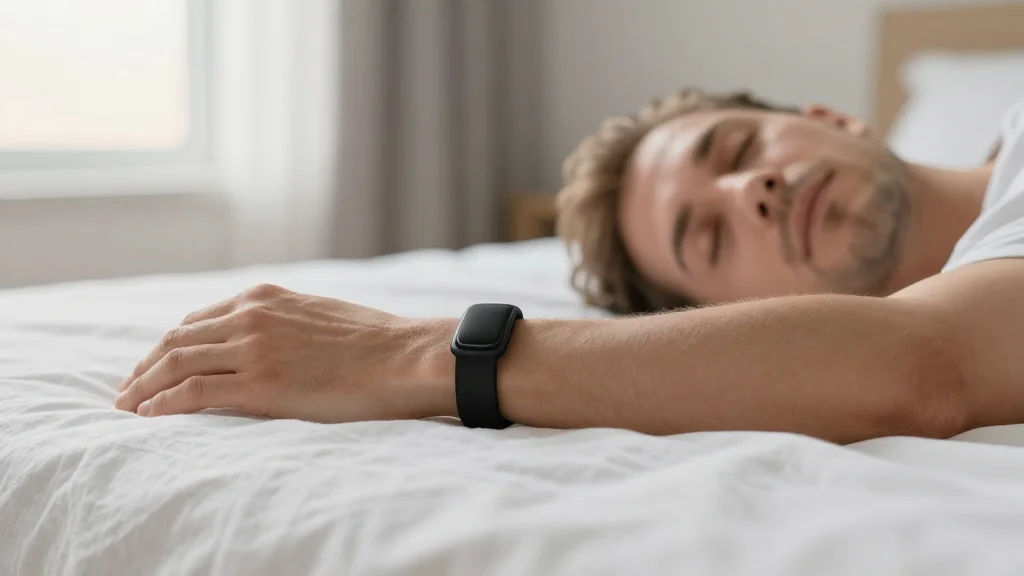
Nearly 39,000 Complete 31‑Day Sleep Challenge, Show Measurable Gains in Rest

Companies Mentioned
Why It Matters
The study bridges motivation theory and physiological outcomes, showing that habit loops anchored in natural circadian cues can produce measurable health gains. For the broader motivation space, it validates a low‑cost, high‑adherence model that can be replicated across wellness programs, corporate health initiatives, and digital habit‑tracking apps. By demonstrating that simple, repeatable actions can shift heart‑rate variability—a proxy for stress resilience—the findings give policymakers and insurers a data‑driven argument for incentivizing rhythm‑aligned behaviors. Moreover, the research highlights the importance of continuous biometric feedback in sustaining motivation. Participants who saw real‑time sleep and heart‑rate data were more likely to persist, suggesting that transparent metrics can close the feedback loop that many behavior‑change programs lack. This insight could reshape how tech firms design engagement strategies, moving from gamified points to health‑centric dashboards that reflect genuine physiological progress.
Key Takeaways
- •38,838 participants completed a 31‑day sleep habit challenge using WHOOP wearables.
- •Consistent practice of four circadian‑aligned habits improved sleep consistency and lowered resting heart rate.
- •Heart‑rate variability rose significantly, indicating better autonomic flexibility.
- •Study funded by WHOOP, not randomized; participants were self‑selected WHOOP users.
- •Researchers plan longer‑term follow‑up to test durability of habit‑induced improvements.
Pulse Analysis
The WHOOP‑backed sleep challenge illustrates a maturing intersection between wearable tech and behavioral economics. Historically, motivation interventions have struggled with adherence; the classic "intention‑behavior gap" often erodes early enthusiasm. By embedding cues that sync with innate circadian mechanisms—sunlight, moderate exercise, breathwork—the program sidestepped pure willpower, instead leveraging the body’s built‑in timing system. This biologically resonant design aligns with recent findings from habit‑formation literature that external triggers tied to internal states yield higher persistence.
From a market perspective, the data give a competitive edge to firms that can combine continuous biometric monitoring with habit‑stacking frameworks. WHOOP’s role as both funder and data source creates a virtuous loop: the more users engage with the platform, the richer the dataset, which in turn fuels research that validates the product’s efficacy. Competitors will likely chase similar models, pairing device ecosystems with scientifically vetted habit protocols to differentiate themselves.
Looking ahead, the key question is scalability beyond a self‑selected, health‑conscious cohort. If future randomized trials confirm these modest gains across broader demographics, insurers may start reimbursing rhythm‑aligned habit programs, and employers could embed them in wellness benefits. The challenge’s success also hints at a broader shift: motivation strategies may increasingly rely on physiological anchoring rather than purely psychological nudges, heralding a new era where data‑driven biofeedback becomes the cornerstone of habit formation.
Nearly 39,000 Complete 31‑Day Sleep Challenge, Show Measurable Gains in Rest
Comments
Want to join the conversation?
Loading comments...