Scientists Pinpoint Acetylcholine as Key to Breaking Bad Habits

Why It Matters
Understanding the neurochemical basis of habit change reshapes the motivation field, moving it from abstract behavioral models to concrete biological levers. By pinpointing acetylcholine as the signal that converts disappointment into adaptive action, researchers provide a tangible target for both drug development and behavioral design. This bridges a gap between neuroscience and applied motivation strategies, offering a scientific foundation for interventions ranging from therapy to consumer habit‑forming products. The discovery also reframes disappointment—not as a purely negative emotion but as a functional catalyst for neural reprogramming. This perspective could shift how educators, coaches, and employers frame setbacks, encouraging environments that safely trigger the acetylcholine response to promote learning and flexibility.
Key Takeaways
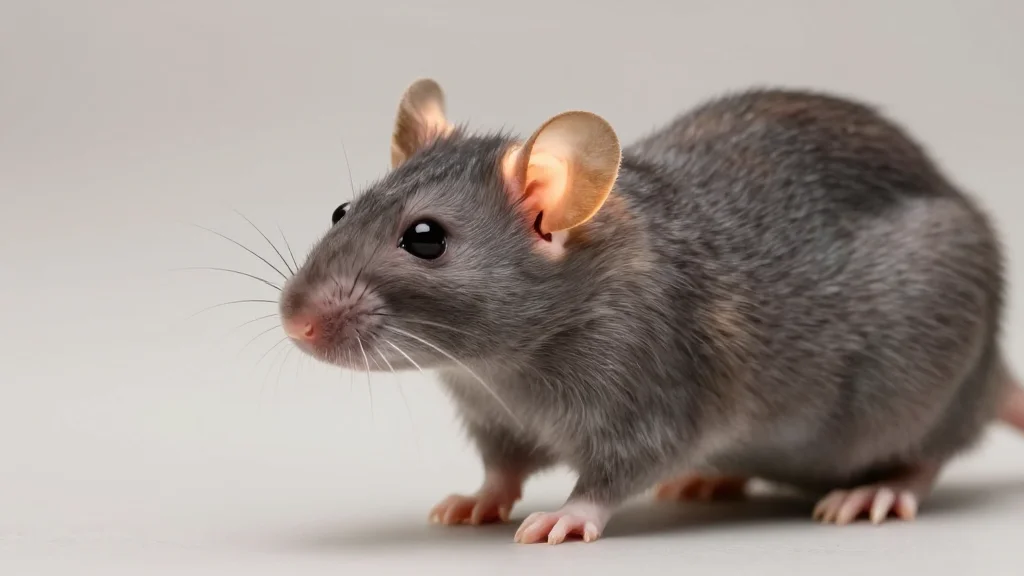
- •Acetylcholine spikes in mice when expected rewards are omitted, prompting habit change.
- •Blocking acetylcholine receptors prevents behavioral flexibility, confirming causality.
- •The mechanism links disappointment to a neurochemical trigger, offering a new angle on motivation.
- •Potential therapeutic applications include OCD, autism‑related rigidity, and addiction treatment.
- •Human studies and clinical trials are planned for 2027 to test translational relevance.
Pulse Analysis
The acetylcholine breakthrough marks a pivot from descriptive habit theories to actionable neurobiology. Historically, motivation research has relied on reward‑prediction error models centered on dopamine. By highlighting a parallel cholinergic pathway activated by negative prediction errors (disappointment), the study adds a missing piece to the puzzle of why some individuals can pivot while others remain stuck. This dual‑system view suggests that effective habit‑change programs may need to balance dopamine‑driven reward reinforcement with acetylcholine‑mediated flexibility cues.
From a market standpoint, the finding could catalyze a wave of niche therapeutics aimed at enhancing cholinergic tone. Existing cholinesterase inhibitors, already approved for Alzheimer’s disease, might be repurposed after safety profiling for habit‑related disorders. Simultaneously, digital health platforms could embed disappointment‑inducing feedback loops—such as adaptive gamified challenges—to naturally stimulate acetylcholine release, creating a new class of neuro‑aligned habit‑formation tools.
However, translating a rodent discovery to human behavior will require careful navigation of ethical and safety concerns. Over‑stimulating acetylcholine can lead to side effects like nausea, bradycardia, or cognitive overload. Future research must delineate the optimal magnitude and timing of acetylcholine spikes to harness flexibility without impairing stability. If successful, the acetylcholine pathway could become the cornerstone of next‑generation motivation science, offering both pharmacological and behavioral levers to help people break bad habits more reliably.
Scientists Pinpoint Acetylcholine as Key to Breaking Bad Habits
Comments
Want to join the conversation?
Loading comments...