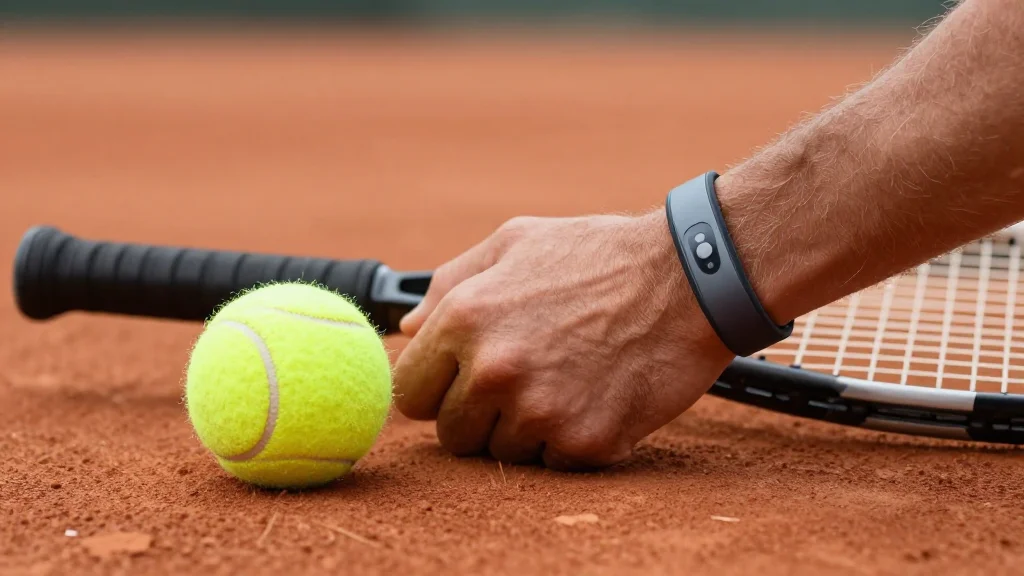
Zverev Wins French Open, Defying Type 1 Diabetes

Why It Matters
Zverev’s French Open victory provides a vivid case study of motivation overcoming physiological barriers, reinforcing the narrative that chronic illness is not an insurmountable obstacle in elite sport. By publicly navigating glucose monitoring and insulin administration during a marquee event, he normalizes the visibility of health management, potentially reducing stigma for athletes with similar conditions. The win also pressures tournament organizers and sports federations to revisit health‑policy frameworks. If governing bodies continue to restrict on‑court medical interventions, athletes may face life‑threatening dilemmas; Zverev’s experience could catalyze rule changes that balance fair play with medical necessity, setting a precedent for future competitions across disciplines.
Key Takeaways
- •Alexander Zverev won his first Grand Slam, defeating Flavio Cobolli in a five‑set French Open final
- •Zverev managed Type 1 diabetes on court using continuous glucose monitoring and insulin pens
- •Boris Becker praised Zverev’s perseverance, calling the achievement "hardly possible" without diabetes
- •Tournament officials initially limited on‑court injections, sparking a debate on medical policy
- •Zverev’s foundation aims to expand insulin access for children and influence sports health guidelines
Pulse Analysis
Zverev’s triumph arrives at a moment when athlete health transparency is gaining traction. Over the past decade, high‑profile cases—such as NBA star Kevin Durant’s Achilles recovery and swimmer Michael Phelps’s mental‑health advocacy—have shifted public expectations toward holistic athlete support. Zverev adds a chronic‑illness dimension, illustrating that motivation can be amplified, not diminished, by disciplined self‑care.
Historically, sports governing bodies have been cautious about on‑court medical devices, fearing competitive advantage. However, the medical community’s consensus that Type 1 diabetes is manageable with technology challenges that stance. Zverev’s visible use of a glucose monitor and insulin pen could serve as a catalyst for policy reform, similar to how the NFL’s concussion protocols evolved after sustained advocacy. Sponsors are likely to view Zverev’s narrative as a branding asset, aligning with health‑focused campaigns that resonate with a growing audience seeking authentic stories of perseverance.
Looking forward, the ripple effect may extend beyond tennis. If federations adopt clearer guidelines for chronic‑illness management, we could see a surge in participation from athletes previously deterred by perceived barriers. This would diversify talent pools and enrich competition, while also prompting sports medicine firms to innovate portable, discreet monitoring solutions. Zverev’s win thus functions as both a personal milestone and a strategic inflection point for the broader motivation ecosystem in sport.
Zverev Wins French Open, Defying Type 1 Diabetes
Comments
Want to join the conversation?
Loading comments...