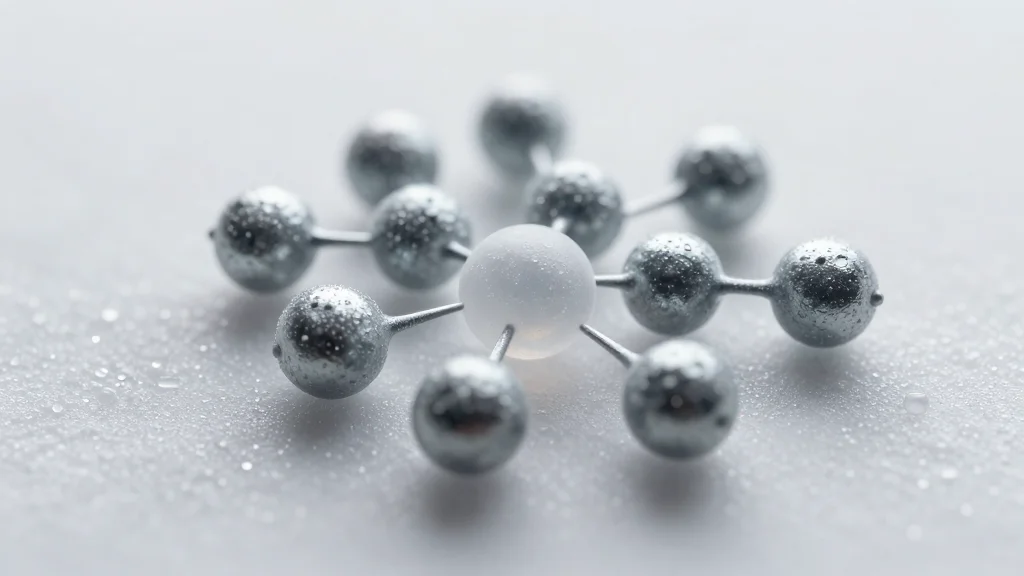
Liquid Metal Nanoparticles Freeze Into Spikes that Kill Drug-Resistant Cancer
Key Takeaways
- •Bismuth‑gallium particles reshape into spikes during freezing, puncturing cells.
- •Viability in resistant organoids drops to ~15% with nanoparticle cryotherapy.
- •Doping cuts gallium supercooling by 2.8 °C, raising deformable particles to 10%.
- •Treatment induces necroptosis, ferroptosis markers and immunogenic cytokine release.
- •Intratumoral injection demonstrated particle spread in resected human tumor tissue.
Pulse Analysis
Cryoablation has long been a minimally invasive option for solid tumors, but its reliance on ice crystal formation leaves a margin of viable cells that can seed recurrence. Researchers have therefore sought adjuncts that amplify the mechanical stress of freezing without adding systemic toxicity. Liquid‑metal nanoparticles, first explored for photothermal therapies, now offer a novel route: a bismuth‑gallium alloy that remains liquid at body temperature but solidifies into sharp spikes when exposed to sub‑zero temperatures, turning the freeze‑thaw cycle into a cellular spear gun.
The key innovation lies in alloy engineering. Pure gallium exhibits pronounced supercooling, limiting its ability to crystallize and deform under cryogenic conditions. By introducing a small fraction of bismuth, the team created nucleation sites that lower the supercooling threshold by 2.8 °C, increasing the proportion of particles that undergo the sphere‑to‑spike transition from 2% to roughly 10%. Inside lysosomes, these spikes puncture membranes, causing immediate mechanical rupture and activating necroptotic and ferroptotic pathways. In patient‑derived organoids representing lung, colorectal and ovarian cancers, the approach reduced viability to as low as 15% even in models resistant to standard chemotherapy, and it synergized with drugs by improving intracellular delivery.
Beyond direct tumor kill, the mechanical insult appears to prime the immune micro‑environment. Treated organoids released HMGB1 and displayed surface calreticulin, hallmarks of immunogenic cell death, while co‑cultured immune cells produced IFN‑γ, IL‑2 and CCL‑2 and reduced TGF‑β1. This suggests a dual therapeutic window: immediate physical eradication and a vaccine‑like effect that could be leveraged with checkpoint inhibitors. Clinical translation will require scalable particle synthesis, robust intratumoral delivery protocols, and thorough biodistribution studies, but the physics‑first paradigm offers a compelling complement to existing chemical and radiologic cancer therapies.
Liquid metal nanoparticles freeze into spikes that kill drug-resistant cancer
Comments
Want to join the conversation?