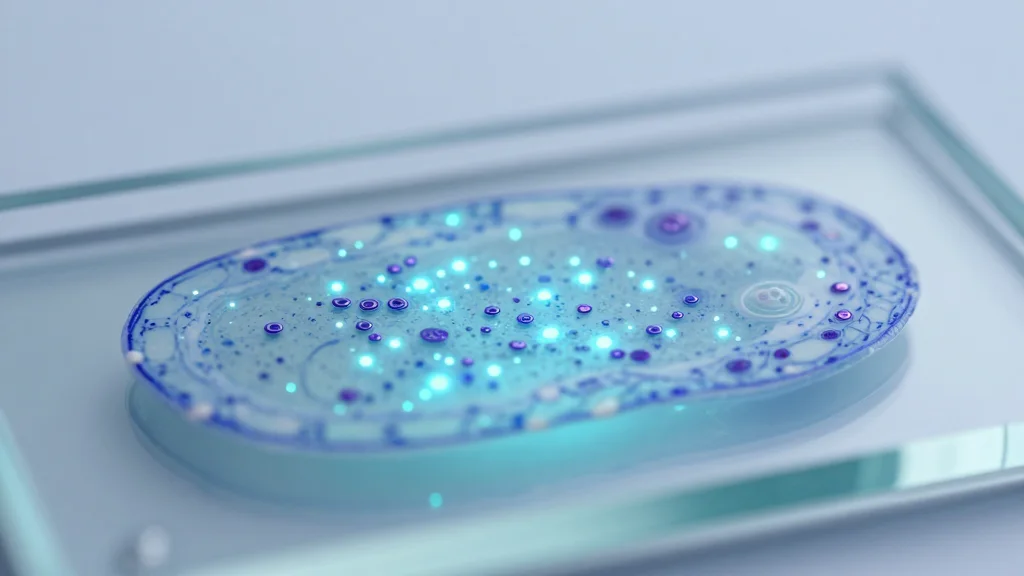
Activating Antiviral Defenses Warms up Cold Tumours
Why It Matters
By converting immunologically inert tumors into immunogenic ones, the approach could expand the reach of immunotherapy to cancers that currently lack effective treatments, potentially improving patient outcomes and opening new combination‑therapy opportunities.
Key Takeaways
- •Nanoparticles deliver metal‑organic molecule that triggers viral‑like response
- •Induced response activates innate sensors and B‑cell anti‑tumor immunity
- •Approach converts immunologically “cold” tumors into responsive “hot” lesions
- •Preclinical models show significant tumor regression without systemic toxicity
- •Platform may synergize with checkpoint inhibitors for broader cancer therapy
Pulse Analysis
The new nanotechnology leverages the body’s own antiviral machinery to flag cancer cells as threats, a strategy that sidesteps many of the limitations of conventional checkpoint blockade. By packaging a metal‑organic compound inside a biocompatible carrier, researchers can induce a controlled interferon response that not only alerts innate immune cells but also recruits B‑cells to produce tumor‑specific antibodies. This dual activation bridges the gap between innate sensing and adaptive immunity, a connection that has been elusive in the fight against solid tumors that lack visible neo‑antigens.
Industry analysts see this development as a potential catalyst for the next wave of combination immunotherapies. Existing treatments such as PD‑1/PD‑L1 inhibitors rely on pre‑existing immune infiltration; the nanoparticle platform could prime “cold” lesions, making them susceptible to checkpoint blockade, CAR‑T, or oncolytic virus therapies. The market for novel immuno‑oncology agents is projected to exceed $150 billion by 2030, and technologies that expand the treatable patient pool are especially attractive to venture capital and pharma pipelines seeking differentiated assets.
Despite promising pre‑clinical data, translation to human trials will require careful safety profiling, given the systemic implications of viral‑mimic signaling. Manufacturing scalability of the metal‑organic nanoparticles and precise dosing regimens will be critical for regulatory approval. If these hurdles are cleared, the platform could usher in a new class of immunotherapies that harness antiviral pathways, offering clinicians a versatile tool to warm up resistant tumors and improve long‑term survival rates.
Activating antiviral defenses warms up cold tumours
Comments
Want to join the conversation?
Loading comments...