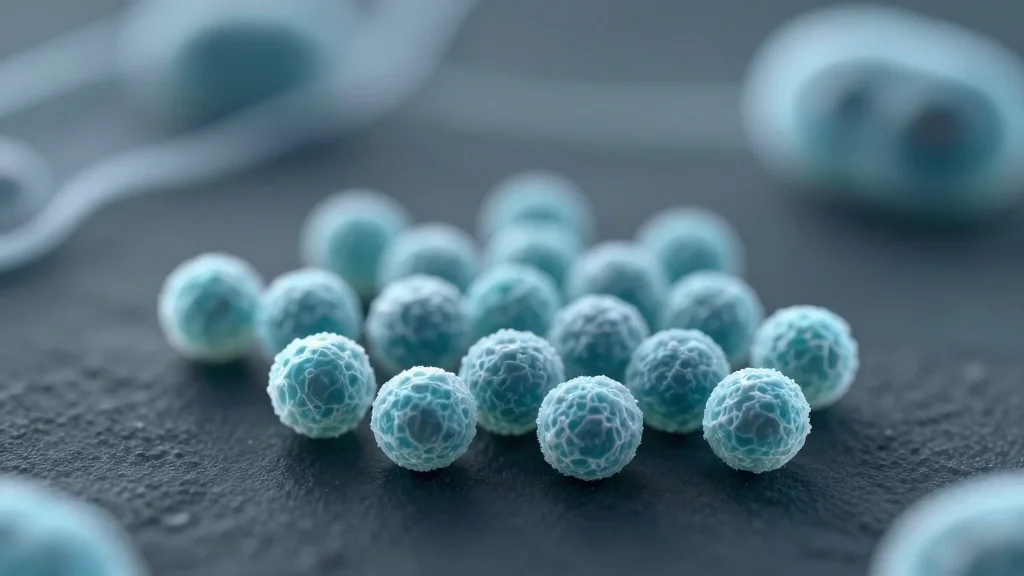
Amplifying Tumour Antigen Presentations From Intratumourally Entrapped Dendritic Cells
Why It Matters
By overcoming the paucity and dysfunction of dendritic cells in solid tumours, IGNITE creates a scalable bridge between local radiotherapy and systemic anti‑cancer immunity, potentially reshaping combination immunotherapy strategies.
Key Takeaways
- •Plant‑derived nanoparticles (IGNITE) activate intratumoral dendritic cells.
- •IGNITE triggers calcium‑dependent release of antigen‑presenting vesicles.
- •Combined with radiotherapy, IGNITE improves tumor control in mice.
- •Enhanced vesicle trafficking boosts T‑cell activation in lymph nodes.
- •Strategy shows abscopal effect and durable anti‑tumor immunity.
Pulse Analysis
The tumor microenvironment has long stymied efforts to harness dendritic cells for effective cancer vaccines. Traditional approaches rely on ex‑vivo manipulation or systemic adjuvants, both of which face delivery hurdles and limited penetration into solid lesions. IGNITE sidesteps these constraints by delivering plant‑derived nanovesicles directly into the tumor, where they coat dendritic cells with nanohydroxyapatite. This triggers a calcium surge that accelerates the formation of antigen‑presenting extracellular vesicles, effectively turning each trapped dendritic cell into a miniature vaccine factory that can broadcast tumour antigens to regional lymph nodes.
Integrating IGNITE with radiotherapy creates a synergistic loop: radiation releases a flood of neo‑antigens, while the nanoparticles ensure those antigens are captured, processed, and presented at scale. Pre‑clinical data across several tumour models demonstrate not only enhanced local control but also systemic responses, including the coveted abscopal effect where untreated lesions regress. This dual‑action mechanism aligns with the broader trend of in‑situ vaccination, where the tumor itself becomes the source of personalized antigenic material, reducing the need for bespoke peptide or mRNA formulations.
From a commercial perspective, the platform offers a relatively low‑cost, plant‑based manufacturing route and leverages existing radiotherapy infrastructure, lowering barriers to adoption. However, translation will require rigorous safety profiling of the nanohydroxyapatite coating and validation of vesicle biodistribution in humans. If these hurdles are cleared, IGNITE could become a cornerstone of next‑generation combination regimens, pairing conventional ablative therapies with immune activation to deliver durable, off‑the‑shelf cancer immunotherapies.
Amplifying tumour antigen presentations from intratumourally entrapped dendritic cells
Comments
Want to join the conversation?
Loading comments...